
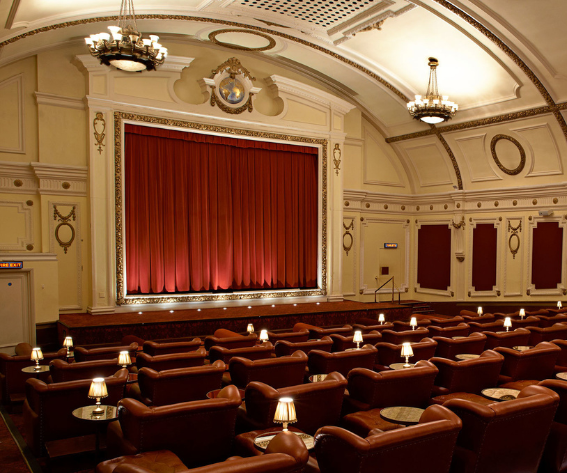
The entertainment landscape has never offered more choice. Streaming services release hundreds of original productions every year, social media constantly introduces new content, and recommendation algorithms compete for audience attention around the clock. Yet amid this abundance, a surprising trend has emerged: viewers are increasingly returning to classic cinema.
From Hollywood’s Golden Age to influential films of the 1970s, 1980s, and 1990s, older movies are experiencing a resurgence among both older generations and younger audiences discovering them for the first time. Streaming platforms have played a significant role in this shift, making previously inaccessible titles available with a single click.
The renewed interest is not merely driven by nostalgia. It reflects broader changes in audience behavior, content consumption patterns, and perceptions of quality. As viewers become more selective about how they spend their time, many are reassessing the value of films that have already stood the test of time.
The Search for Quality in an Era of Content Saturation
One of the strongest drivers behind the return to classic cinema is content fatigue. Audiences today are exposed to an unprecedented volume of entertainment options, making it increasingly difficult to identify productions worth watching.
In highly competitive digital environments, consumers often gravitate toward products and services with established reputations. Similar behavior can be observed in online sectors associated with terms like melbet betting, where familiarity and proven reliability often influence user decisions. In cinema, classic films benefit from decades of cultural validation and critical recognition.
Several factors contribute to their appeal:
- Established artistic value;
- Strong critical consensus;
- Cultural significance;
- Memorable storytelling;
- Proven longevity.
Rather than spending hours searching through endless recommendations, viewers often choose films whose influence has already been demonstrated across generations.
| Viewing Factor | Modern Releases | Classic Films |
| Volume of options | Extremely high | Moderate |
| Critical consensus | Often divided | Usually established |
| Cultural recognition | Variable | Strong |
| Long-term relevance | Uncertain | Proven |
| Discovery effort | High | Lower |
Streaming Platforms Have Made Classic Films Accessible Again
For decades, access to classic cinema was limited. Audiences depended on television schedules, specialty DVD collections, or film festivals. Streaming has fundamentally changed that reality.
Today, viewers can instantly access extensive libraries of older films from multiple decades. This accessibility has transformed audience behavior in ways similar to other digital industries, including platforms frequently associated with keywords such as melbet mongolia download, where convenience significantly influences user engagement.
Streaming services have recognized the value of legacy content for several reasons:
- Lower licensing costs compared to blockbuster originals;
- Strong viewer retention;
- Cross-generational appeal;
- Consistent catalog value;
- High engagement among cinephiles.
As a result, many platforms now actively promote curated collections of classic films alongside new releases.
| Content Category | Average Production Cost | Long-Term Audience Value |
| New Original Series | Very High | Uncertain |
| Blockbuster Films | High | Medium |
| Licensed Classic Films | Low to Medium | High |
| Restored Cinema Collections | Medium | Very High |
The economics increasingly favor maintaining substantial libraries of proven titles.
Younger Generations Are Discovering Film History
A common misconception is that classic cinema primarily appeals to older viewers. Recent viewing patterns suggest otherwise.
Younger audiences are showing growing interest in influential films that shaped modern filmmaking. Social media has played a major role in this trend, helping iconic scenes, performances, and visual aesthetics reach new generations.
Platforms such as TikTok, YouTube, and Instagram regularly feature clips, analyses, and discussions centered on older films. These formats introduce younger viewers to movies they might never have encountered through traditional channels.
Popular motivations include:
- Understanding cultural references;
- Exploring cinema history;
- Discovering influential directors;
- Appreciating practical filmmaking techniques;
- Comparing past and present storytelling styles.
This educational dimension has become a significant driver of audience engagement.
Practical Effects and Craftsmanship Are Gaining New Appreciation
Advancements in visual effects have expanded creative possibilities, but they have also changed audience expectations.
Many viewers now express renewed appreciation for practical effects, physical sets, and handcrafted production techniques commonly found in classic films. Older productions often relied on ingenuity rather than digital enhancement, creating a distinctive visual character.
Several elements frequently cited by audiences include:
- Practical special effects;
- Real locations;
- Physical stunt work;
- Hand-built sets;
- Traditional cinematography.
These qualities contribute to a sense of authenticity that some viewers feel is less common in heavily digitized productions.
The growing popularity of film restoration projects further highlights this renewed appreciation for traditional craftsmanship.
The Economic Value of Established Intellectual Property
Classic cinema also holds significant economic importance for studios and distributors.
As production budgets continue to rise, media companies increasingly rely on established intellectual property. Older films provide a foundation for remakes, sequels, spin-offs, and expanded franchises.
| Revenue Opportunity | Role of Classic Films |
| Remakes | Source material |
| Franchise expansion | Brand recognition |
| Streaming catalogs | Audience retention |
| Merchandise | Long-term value |
| Licensing | Stable revenue stream |
This commercial value ensures that classic titles remain visible and accessible to new audiences.
At the same time, their continued relevance reinforces their cultural status.
Viewers Are Seeking More Meaningful Storytelling
Audience expectations have evolved considerably over the past decade.
Many viewers report feeling overwhelmed by fast-paced content designed primarily to maximize engagement metrics. Classic films often provide a different experience, emphasizing character development, dialogue, and thematic depth.
Key storytelling strengths include:
- Strong narrative structure;
- Memorable character arcs;
- Emotional complexity;
- Distinct directorial vision;
- Long-term thematic relevance.
These qualities allow classic films to remain engaging even decades after their release.
Rather than competing with contemporary productions, they often offer a complementary viewing experience that satisfies different audience needs.
Film Preservation and Restoration Are Expanding the Audience
Technological advances in restoration have significantly improved the accessibility of classic cinema.
High-resolution scanning, digital cleanup, color correction, and audio enhancement have enabled studios to present older films in ways that appeal to modern audiences.
| Restoration Technology | Audience Benefit |
| 4K Scanning | Improved image quality |
| Digital Cleanup | Reduced visual defects |
| Audio Restoration | Enhanced sound clarity |
| HDR Processing | Better contrast |
| AI-Assisted Preservation | Faster restoration workflows |
As restoration costs decrease, more titles are becoming available in premium formats.
This process helps bridge the gap between historical filmmaking and contemporary viewing expectations.
The Future of Classic Cinema in a Digital Entertainment Market
The renewed popularity of classic films is unlikely to be a temporary phenomenon. Several structural trends support continued growth.
These include:
- Expanding streaming libraries;
- Growing interest in film education;
- Increased investment in restoration;
- Demand for high-quality storytelling;
- Cross-generational audience engagement.
Studios and streaming platforms increasingly view classic cinema as both a cultural asset and a strategic business resource.
As digital distribution continues to evolve, older films may become even more accessible than they were during their original theatrical runs.
The return to classic cinema reflects more than nostalgia. It reveals a broader shift in how audiences evaluate quality, authenticity, and cultural value in entertainment. Faced with an overwhelming volume of content, many viewers are choosing films whose artistic significance has already been established through decades of critical and public appreciation.
Streaming technology, restoration initiatives, and social media have collectively removed many of the barriers that once limited access to older films. As a result, classic cinema is reaching audiences that previous generations of filmmakers could hardly have imagined.
Looking ahead, the relationship between contemporary and classic filmmaking is likely to become increasingly interconnected. While new productions will continue to dominate headlines, classic films will remain essential reference points for audiences seeking enduring stories, exceptional craftsmanship, and a deeper understanding of cinema’s evolution. Their resurgence suggests that in an age defined by constant novelty, lasting quality remains one of the industry’s most valuable assets.
You may also like:





Leave a reply