
Every great movie needs conflict, but not every great villain is pure evil. Not all of cinema’s most memorable antagonists are motivated by chaos or cruelty—some are motivated by love, loss, justice, fear or ambition. Whether you’re exploring storytelling in films or even narrative-driven entertainment on platforms like Bigbunny Casino, one thing becomes clear: audiences are drawn to characters with depth, not just destruction.
This is the difference between a memorable villain and an iconic one. They are not just there to oppose the hero but to challenge us to challenge our own beliefs, to blur the lines of right and wrong, and to remind us that people are rarely the sum of just one characteristic.
Great Villains Believe They’re the Hero
What makes a compelling villain is that they rarely think of themselves as a villain. In their minds they are solving a problem, protecting someone they love or fighting for a cause they believe to be just.
Take Black Panther’s Erik Killmonger. His methods are undeniably violent, but his rage is the result of generations of oppression and personal abandonment. While audiences may reject his actions, many understand the pain that shaped his worldview.
Similarly, Magneto from the X-Men series is driven by the trauma of surviving persecution. His fear of history repeating itself drives his extreme decisions, making him one of the most sympathetic antagonists in modern film.
These villains make audiences ask an uncomfortable question: What would I do if I had lived their life?
Motivation Makes the Difference
The best villains don’t do evil for evil’s sake. Instead, they have goals that are sensible—even if the path they take is seriously flawed.
An excellent example is Thanos from the Marvel Cinematic Universe. He believes that limited resources will eventually destroy civilization and that his mission to restore balance to the universe is a result of that belief. His solution is horrific, but it has a clear internal logic.
This consistency makes him more engaging than a villain who simply wants to destroy. He might make choices viewers do not agree with, but they understand why he makes them.
A character becomes an obstacle, a little bump in the road, unless there is a strong motivation to turn him into an important part of the story.
Flaws Make Villains Human
Flaws are not just for hero-like characters. Villains are more compelling when they have internal struggle, regret, pride, or fear.
Perhaps no one better exemplifies this than Darth Vader. His story is told as a terrifying force of evil but slowly reveals a man undone by grief, manipulation and choices that could not be made. To make his eventual redemption believable to the audience, they have to understand the tragedy that caused his transformation.
It is that emotional depth that makes Vader one of cinema’s greatest villains, decades after his debut.
The Best Villains Challenge the Hero
A strong villain not only puts the protagonist in danger but also questions their beliefs and makes them grow.
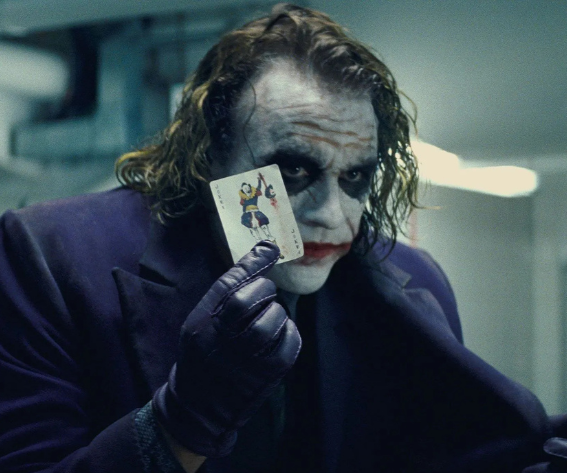
The Joker would never push Batman to the limits of his moral code. Without Killmonger, T’Challa would never reconsider Wakanda’s responsibility to the outside world.
In these stories, the villain is not only an opponent. They are an agent for change.
The best stories tend to be those where the hero’s biggest challenge isn’t to defeat the villain in a fight but to prove that they are capable of defending their own ideals.
Why Audiences Love Complex Villains
The odd thing is that an audience will often remember the villain long after the credits have rolled. Complexity, therefore, breeds curiosity.
Characters dealing with moral dilemmas prompt discussion. Fans argue whether they were misunderstood, whether redemption was possible, or whether the hero could have made other choices.
This emotional engagement keeps the movies alive long after their release. Instead of presenting a simple good vs. evil conflict, these stories prompt viewers to reflect on themes of justice, revenge, sacrifice, and humanity.
Lessons for Writers and Filmmakers
Complex villains can teach us about storytelling that endures.
What makes a memorable villain:
- A compelling motivation based on personal experience.
- Strengths and vulnerabilities that make them feel like human beings.
- Sometimes matching the hero’s values.
- Beliefs that naturally lead to decisions.
- An emotional punch beyond the final showdown.
When writers focus on these elements, villains become more than obstacles; they are essential to the emotional heart of the story.
Final Thoughts
The best movie villains aren’t the most ruthless because they’re the most memorable. They are memorable because they are comprehensible.
Characters like Erik Killmonger, Magneto, Darth Vader and Thanos remind us that good storytelling isn’t about making monsters. It is about people whose decisions, however ill-advised they may be, reveal something significant about the human condition.
Ultimately the greatest villains make us want the hero to win, but for more than that, too. They make us question our own assumptions about morality and justice, about the blurry line between hero and villain. And that is why they are impossible to forget.
You may also like:







Leave a reply