
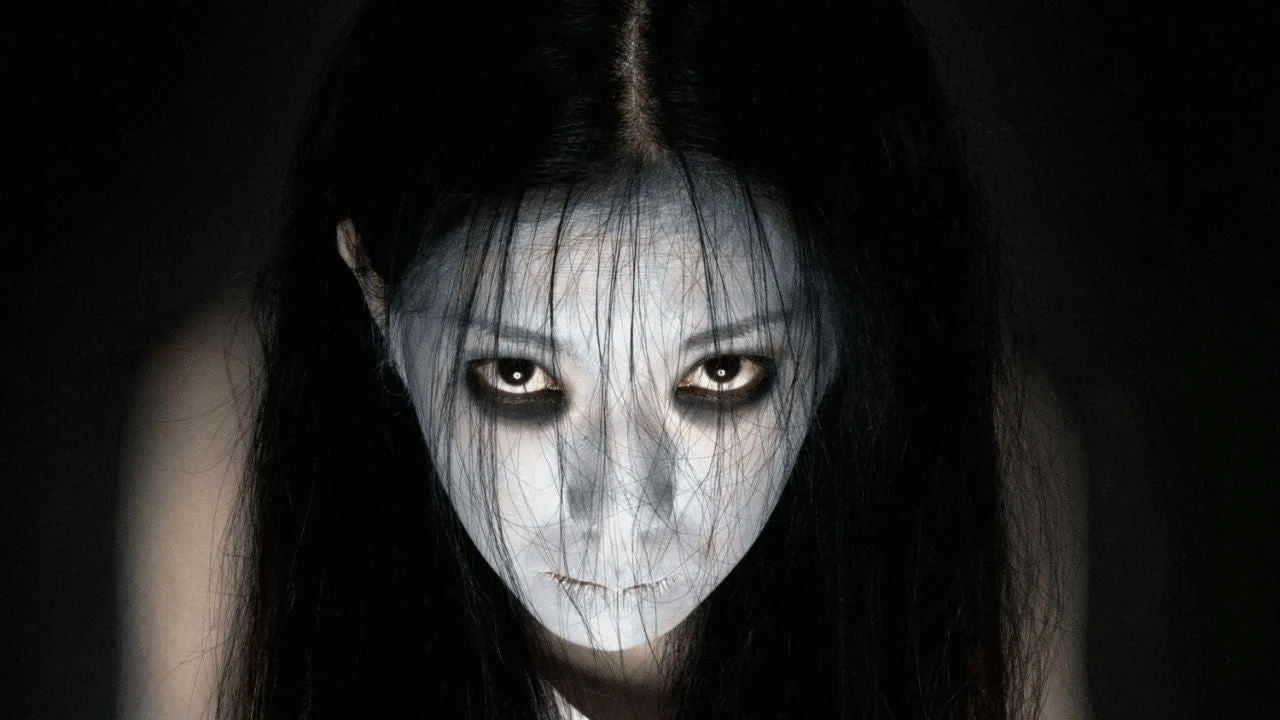
Image credit: Sadako vs. Kayako film
Female monsters have occupied a fascinating position in horror cinema for more than a century. From mysterious vampires and vengeful spirits to supernatural mothers and shape-shifting creatures, these characters have reflected society's changing attitudes toward femininity, sexuality, independence, and power. Their transformations reveal how horror films respond to cultural anxieties while challenging established ideas about who can become a monster.
Early cinema frequently portrayed monstrous women as dangerous temptresses, supernatural threats, or tragic figures punished for rejecting conventional expectations. Contemporary horror has expanded these representations, introducing characters whose frightening behavior emerges from social oppression, trauma, anger, or the desire for autonomy. Films such as Cat People, Carrie, Ginger Snaps, The Babadook, and The Substance demonstrate how female monstrosity can become a powerful vehicle for psychological and social commentary.
How Early Horror Cinema Established the Female Monster
The earliest female monsters often emerged from gothic literature, folklore, and theatrical traditions. Vampires, witches, and ghostly women represented anxieties surrounding forbidden desire, supernatural influence, and the disruption of traditional social structures. Their frightening qualities were frequently connected to beauty, seduction, or behavior considered unacceptable for women.
These narratives often associated female independence with danger. A woman who resisted established expectations could become a supernatural threat, while characters who conformed to conventional roles were more likely to survive. Such patterns reflected the social attitudes of their historical periods rather than universal truths about femininity.
The relationship between risk and fascination also appears in modern entertainment, although in different contexts. Chance-based digital games such as melbet aviator game use uncertainty to generate anticipation, with gambling involving real financial risks. Horror cinema instead transforms uncertainty into fictional suspense, allowing audiences to confront threatening characters without experiencing the dangers depicted onscreen.
| Early Monster Archetype | Common Characteristics | Underlying Cultural Anxiety |
|---|---|---|
| Female vampire | Seduction and supernatural power | Sexual independence |
| Witch | Forbidden knowledge and ritual practices | Resistance to authority |
| Vengeful ghost | Unresolved suffering and revenge | Social injustice |
| Monstrous bride | Transformation and rejection | Marriage and identity |
| Supernatural mother | Possessiveness and control | Domestic expectations |
These archetypes established recognizable patterns that filmmakers would later reinterpret.
The Influence of Gothic Horror and the Femme Fatale
Gothic horror helped establish the image of the dangerous woman whose beauty concealed supernatural power. Films featuring female vampires frequently combined attraction and fear, presenting desire as something that could undermine rational judgment. This approach connected horror with the broader cinematic tradition of the femme fatale, a character whose independence and sexuality challenged established expectations.
The tension between appearance and reality remains relevant to contemporary entertainment. Digital audiences regularly encounter reviews and promotional descriptions that promise particular experiences, including searches for a melbet slots when evaluating chance-based games. Such reviews concern commercial products and potential financial risks, whereas gothic horror uses misleading appearances as a narrative device to explore trust, desire, and danger.
Female vampires became especially significant because they could embody both victimhood and power. Some were controlled by supernatural forces, while others actively challenged the authority of male protagonists. This ambiguity allowed horror filmmakers to explore changing gender expectations within familiar supernatural stories.
Three recurring characteristics shaped these portrayals:
- Beauty was frequently presented as a disguise for supernatural danger.
- Independence could be interpreted as a threat to established authority.
- Transformation often symbolized the loss or rejection of conventional identity.
Later filmmakers would revisit these conventions, questioning whether monstrous women were inherently dangerous or simply feared because they challenged social boundaries.
Cat People and the Fear of Female Sexuality
Jacques Tourneur's Cat People (1942) marked an important development in the portrayal of female monstrosity. The film follows Irena, a woman who fears that intimacy and emotional passion could trigger a supernatural transformation. Rather than relying on elaborate creature effects, the story develops tension through suggestion, shadows, and psychological uncertainty.
Irena's predicament reflects the restrictive expectations surrounding female sexuality during the period. Her supposed monstrosity is closely connected to anxiety about desire and the consequences of expressing it. The film also leaves room for uncertainty, encouraging audiences to question whether the threat is supernatural, psychological, or a combination of both.
| Film | Year | Female Monster Representation |
|---|---|---|
| Dracula's Daughter | 1936 | Vampirism and conflicted identity |
| Cat People | 1942 | Sexual anxiety and transformation |
| Carrie | 1976 | Repressed anger and supernatural power |
| Ginger Snaps | 2000 | Adolescence and bodily change |
| Jennifer's Body | 2009 | Desire, exploitation, and revenge |
| The Substance | 2024 | Aging, beauty standards, and bodily transformation |
These films demonstrate how female monsters gradually became more psychologically complex, reflecting different social concerns across generations.
Carrie and the Transformation of Female Anger
Brian De Palma's Carrie (1976), adapted from Stephen King's novel, fundamentally changed how audiences could interpret female supernatural power. Carrie White is not introduced as a conventional villain. She is an isolated teenager subjected to bullying, humiliation, and intense religious control within her household.
Her telekinetic abilities become connected to emotional repression and the consequences of sustained mistreatment. When her anger finally emerges, the resulting destruction is frightening, but the audience also understands the suffering that preceded it.
Carrie introduced several important developments in female-centered horror:
- The monster could also be the story's primary victim.
- Supernatural power could symbolize emotions that society discouraged women from expressing.
- Horror could emerge from ordinary institutions such as schools and families.
The film's influence remains visible in later productions that connect supernatural transformation with exclusion, humiliation, and the struggle for independence.
Body Horror and the Monstrous Female Body
Body horror examines the fear of physical transformation, often using disturbing imagery to explore identity, vulnerability, and bodily autonomy. Female-centered body horror has frequently addressed puberty, pregnancy, aging, and cultural expectations surrounding appearance.
Ginger Snaps uses werewolf transformation as a metaphor for adolescence and changing relationships between sisters. The film connects supernatural horror with the physical and emotional uncertainties of growing up, allowing its central characters to resist traditional portrayals of passive female victims.
More recently, The Substance explored the pressures imposed by unrealistic beauty standards and the entertainment industry's obsession with youth. Its extreme physical transformations emphasize the destructive consequences of treating the body as something that must constantly satisfy external expectations.
| Body Horror Theme | Symbolic Meaning | Common Narrative Conflict |
|---|---|---|
| Puberty | Unfamiliar physical changes | Identity and independence |
| Pregnancy | Transformation and vulnerability | Bodily autonomy |
| Aging | Changing social expectations | Beauty and self-worth |
| Infection | Loss of physical control | Fear of transformation |
| Metamorphosis | Rejection of previous identity | Personal reinvention |
These narratives reveal how bodily transformation can represent both empowerment and suffering, depending on the character's circumstances.
How Modern Horror Reinterprets Monstrous Motherhood
Motherhood has long been associated with protection and emotional stability in mainstream cinema. Horror frequently challenges these assumptions by exploring the pressures, fears, and contradictions surrounding parental responsibility.
The Babadook presents a mother struggling with grief, exhaustion, and a deteriorating relationship with her son. Its supernatural threat can be interpreted alongside the emotional consequences of unresolved trauma, making the film more complex than a conventional monster narrative.
Hereditary similarly examines family relationships through grief, inherited conflict, and supernatural manipulation. Its frightening events become inseparable from the characters' struggles with guilt, resentment, and emotional isolation.
Modern portrayals of monstrous motherhood often investigate:
- The pressure to meet idealized expectations of caregiving.
- Emotional exhaustion and the absence of adequate support.
- Conflicts between personal identity and family responsibilities.
- Intergenerational trauma and inherited expectations.
- The fear of losing control over family relationships.
These stories are most effective when they avoid suggesting that ordinary maternal frustration or psychological distress is inherently monstrous.
Female Monsters as Symbols of Resistance and Empowerment
Contemporary horror increasingly questions whether the female monster should always be understood as a villain. Characters who transform, retaliate, or reject established expectations may embody both destructive impulses and legitimate resistance to exploitation.
Jennifer's Body provides a notable example. Its supernatural narrative explores objectification, manipulation, and the complicated relationship between its central female characters. Although the protagonist becomes dangerous, the film also examines the circumstances surrounding her transformation.
Similarly, modern reinterpretations of witches, vampires, and supernatural women frequently challenge the assumption that female power must be controlled or punished.
This does not mean that every monstrous character represents empowerment. Violence, manipulation, and cruelty remain important aspects of many stories. The difference is that contemporary films are increasingly willing to examine why these characters become frightening and whose interests are served by defining them as monsters.
Why Female Monsters Remain Important to Horror Cinema
The evolution of female monsters reflects broader changes in storytelling, filmmaking, and cultural attitudes. Earlier portrayals frequently emphasized temptation, punishment, and supernatural danger, while contemporary productions increasingly explore identity, bodily autonomy, social expectations, and resistance.
International horror cinema continues to expand these possibilities through regional folklore, supernatural traditions, and culturally specific representations of women. As audiences encounter a wider variety of stories, familiar archetypes can be reconsidered from new perspectives.
Female monsters remain compelling because they expose the boundaries between fear and fascination, vulnerability and power, and victimhood and aggression. Their stories reveal how societies construct ideas about acceptable behavior and how horror can challenge those assumptions.
From gothic vampires to the psychologically complex figures of contemporary body horror, these characters have evolved far beyond simple supernatural threats. Their continued transformation ensures that female monstrosity remains one of the genre's most versatile tools for examining cultural anxieties and human identity.
Comments
No comments yet. Be the first to share what you thought.