

Image credit: LAFS
Behind every unforgettable movie is a story that deserves to be told. It may begin with a simple idea, a personal experience, or an imaginative concept that gradually develops into something extraordinary. Through the art of filmmaking, these ideas become powerful visual experiences that entertain audiences, inspire emotions, and create meaningful connections.
Filmmaking is more than capturing beautiful images or recording scenes with a camera. It is a creative process that combines imagination, storytelling, technology, and artistic expression. Every detail, from the opening scene to the final frame, contributes to how audiences understand and experience a film.
In today's growing digital entertainment landscape, where audiences explore different experiences through platforms and brands, including JiliPlay on GZone, the value of compelling storytelling remains timeless. Just as engaging entertainment captures attention, a well-crafted film creates an emotional connection that keeps viewers interested from beginning to end.
Why Storytelling Is the Heart of Filmmaking
Storytelling is what gives a film its identity and purpose. Impressive visuals may attract viewers, but a meaningful narrative is what makes a movie memorable. Through carefully developed characters, believable situations, and emotional moments, filmmakers invite audiences to become part of the story.
A strong narrative usually includes an interesting beginning, a developing conflict, and a satisfying conclusion. These elements create curiosity, build anticipation, and encourage viewers to discover what happens next.
More importantly, effective storytelling allows audiences to relate to the characters. Their dreams, struggles, mistakes, and achievements reflect experiences that people may recognize in their own lives. Whether a film explores friendship, family, courage, love, or personal growth, its message becomes more powerful when presented with honesty and emotion.
The Essential Elements of Powerful Filmmaking
Creating an engaging film requires several artistic and technical elements to work together. Each contributes to transforming an initial idea into a complete cinematic experience.
1. Scriptwriting: Building the Foundation
Every successful film begins with a clear concept and a well-developed screenplay. Scriptwriting establishes the plot, characters, dialogue, setting, and sequence of events. A strong script provides direction for the entire production while giving actors and filmmakers a foundation for creative expression.
2. Cinematography: Telling Stories Through Images
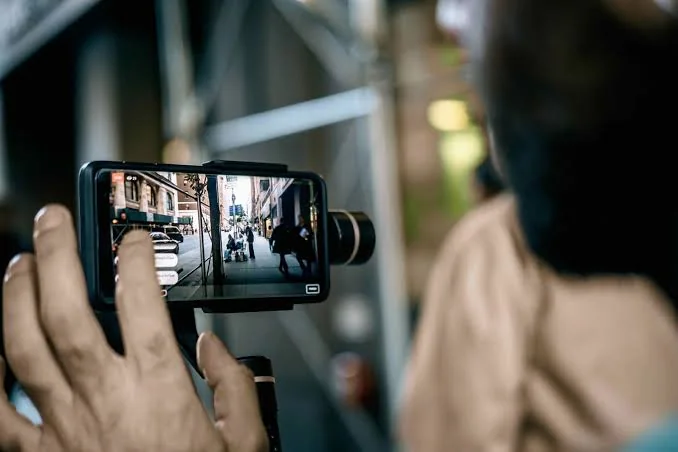
Cinematography brings written scenes to life through visual composition. Camera angles, lighting, framing, and movement help communicate emotions and establish atmosphere. For example, close-up shots can reveal a character's feelings, while wide shots can emphasize the beauty of a location or the scale of an important event.
3. Directing: Transforming Vision Into Reality
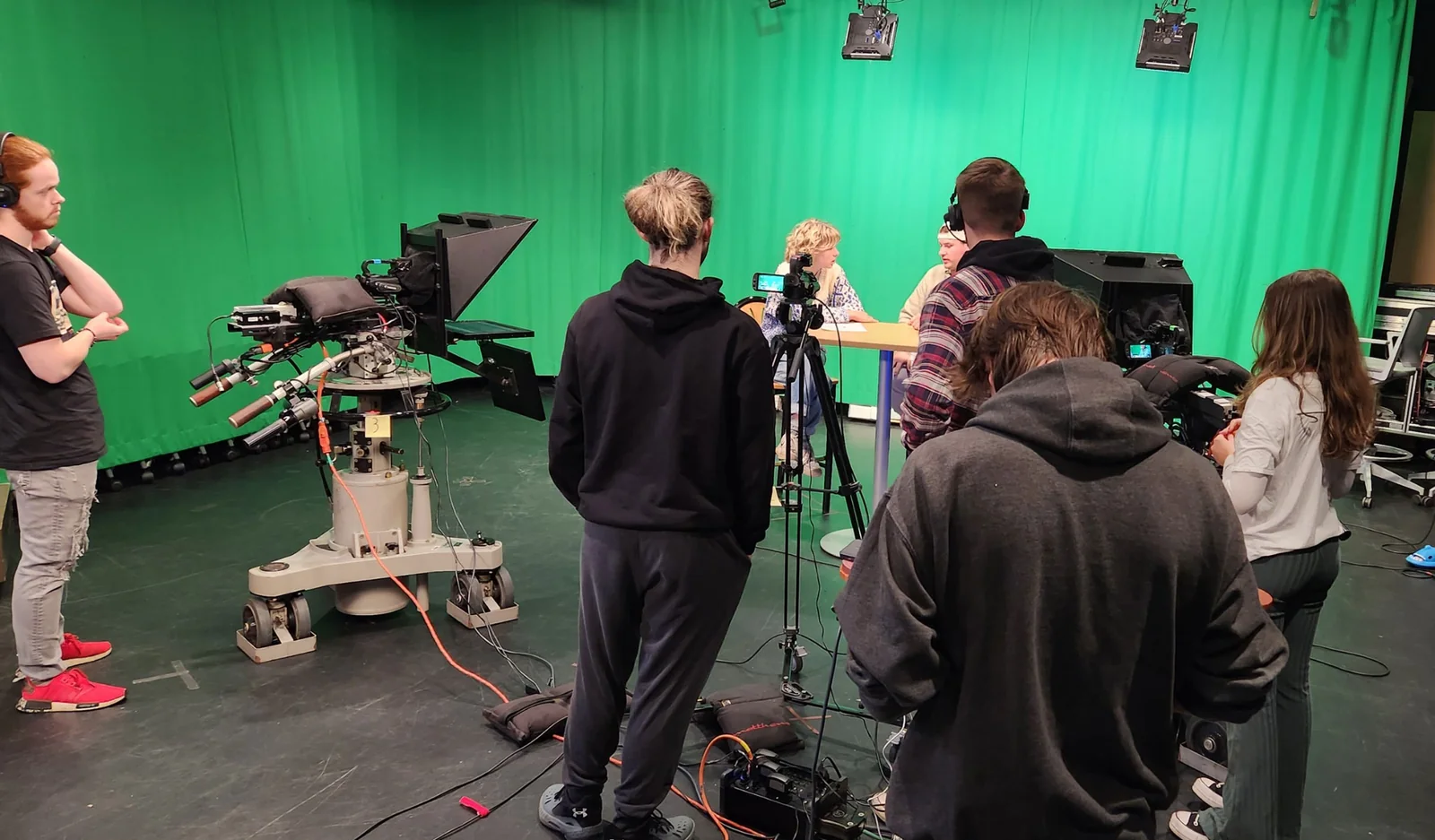
The director guides the film's creative direction and ensures that every scene supports the intended story. Directors collaborate with actors, cinematographers, designers, and production teams to create consistent performances and visuals. Their vision helps unite the different elements of filmmaking into one meaningful experience.
4. Editing: Creating a Smooth and Engaging Story
Editing connects individual shots and scenes to form a complete narrative. The arrangement and timing of each moment influence the film's rhythm, suspense, and emotional impact. Good editing keeps the story organized, removes unnecessary scenes, and maintains the audience's interest.
5. Sound and Music: Bringing Emotions to Life
Sound design plays an essential role in creating an immersive cinematic experience. Dialogue, background music, sound effects, and silence can influence how viewers interpret a scene. A powerful soundtrack can build suspense, strengthen emotional moments, and make important scenes more memorable.
How Filmmaking Creates Meaningful Connections
One of the greatest strengths of filmmaking is its ability to bring people together through shared experiences. Movies can introduce audiences to different cultures, explore important social issues, preserve historical events, and communicate lessons about everyday life.
Films also encourage empathy by allowing viewers to understand perspectives different from their own. When audiences connect with a character's challenges or achievements, they may gain a deeper appreciation of the experiences of others.
This is why authenticity matters. A story does not need extravagant scenes or complicated effects to make an impact. Sometimes, a simple and honest portrayal of human emotions can be more powerful than the most elaborate production.
The Future of Filmmaking in a Digital World
Modern technology continues to expand the possibilities of filmmaking. Digital cameras, advanced editing software, animation, and computer-generated imagery give creators more opportunities to bring imaginative ideas to life.
Online platforms and streaming services have also made films more accessible to global audiences. Independent filmmakers can now share their work, build communities, and introduce original stories without relying entirely on traditional distribution channels.
Despite these advancements, technology alone cannot create a meaningful film. A compelling story, thoughtful direction, strong performances, and genuine creativity remain the foundation of successful filmmaking.
Conclusion: Stories That Stay With Us
The power of storytelling through the art of filmmaking comes from its ability to transform imagination into experiences that audiences can see, hear, and feel. Every script, camera movement, performance, and editing decision contributes to creating a story with meaning and purpose.
As digital entertainment continues to grow, the importance of creativity and engaging storytelling remains clear. A great film is not defined only by its budget, technology, or visual effects. Its true value comes from the emotions it creates, the ideas it communicates, and the memories it leaves behind.
Ultimately, filmmaking is more than making movies. It is about sharing perspectives, expressing creativity, and telling stories that inspire people long after the credits roll.
Frequently Asked Questions (FAQs)
1. What is the importance of storytelling in filmmaking?
Storytelling gives a film meaning and direction. It helps audiences connect with characters, understand important messages, and become emotionally invested in the narrative.
2. What are the main elements of filmmaking?
The main elements include scriptwriting, cinematography, directing, acting, editing, sound design, and production design.
3. How does cinematography improve storytelling?
Cinematography uses lighting, camera angles, framing, and movement to communicate emotions, establish atmosphere, and guide the audience's attention.

Comments
No comments yet. Be the first to share what you thought.