
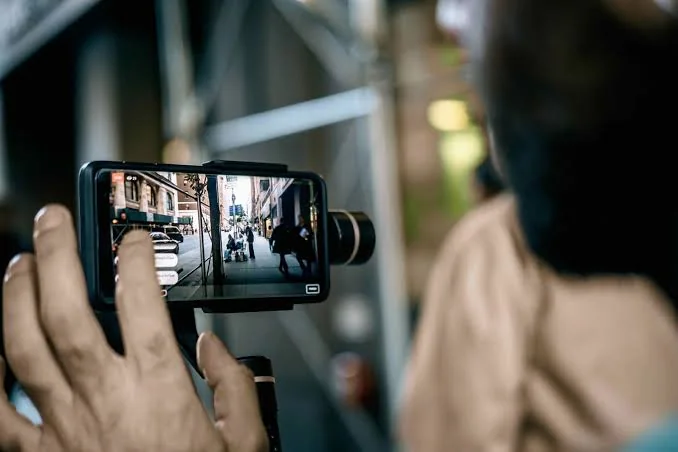
Not long ago, an independent filmmaker needed to borrow a camera, rent lenses and organize a crew before shooting a single scene. Today, a smartphone can record a festival short, a documentary interview or a polished proof of concept. The change is not that professional filmmaking has become effortless. It is that the first step into production no longer has to be expensive.
Modern phones offer stabilized footage, high-resolution recording and increasingly sophisticated exposure controls. Free tools such as Blackmagic Camera give supported smartphones manual options for frame rate, shutter speed, ISO and white balance. Combined with affordable microphones and editing software, that makes the phone a credible production tool, even if it does not replace every function of a cinema camera.
The workflow around a phone shoot matters as much as the camera. Small crews may exchange rough cuts, review footage remotely and research distribution options while travelling. When connecting through public networks, filmmakers should understand basic digital privacy, including the difference between a proxy and a VPN. TorGuard explains how these tools handle network traffic differently. Neither replaces secure file sharing, appropriate access controls or a reliable backup.
Why Smartphones Have Changed Independent Filmmaking
The biggest advantage is access. A film student can test an idea without waiting for a rental slot, while a documentary director can film spontaneous moments with equipment already in a pocket. A smaller camera can also feel less intrusive in close spaces, which matters when the film depends on intimate performances or an observational style.
There is evidence beyond social media experiments. Apple's 2025 short Big Man, directed by Aneil Karia and filmed on iPhone 16 Pro, demonstrated how an experienced creative team can build a narrative production around a compact device. The MAMI Select: Filmed on iPhone initiative has likewise supported filmmakers using phone cameras for ambitious short films. Those projects are not proof that every phone shoot will look cinematic, but they show what is possible when the format is used deliberately.
The Camera Is Only One Part of the Film
A sharp image does not save distorted dialogue. For a small production, an external microphone, a quiet location and careful monitoring will often improve the finished film more than another step up in image resolution. Even a simple lavalier microphone can help a scene sound intentional rather than improvised.
Lighting comes next. Phone sensors are small, and low light can expose noise, smearing and aggressive processing. Filming near a window, controlling the direction of daylight or adding a modest LED light can give a shot shape without a complicated rig. When the scene allows it, locking exposure and white balance also prevents distracting shifts between takes.
What Smartphone Filmmakers Still Need to Plan
Phones introduce their own production limits. Battery life falls during long recording sessions, devices can overheat, storage fills quickly and automated image processing may change the look of a shot. Digital zoom can reduce image quality, and not every model offers the same frame rates or recording formats.
A practical shoot therefore needs more than a charged phone. Test the chosen recording format, carry a power bank, clear storage, check how audio is being recorded and make a second copy of footage at the end of each day. A handheld grip or small tripod can be more useful than an elaborate set of accessories if it lets the director concentrate on framing and performance.
Editing and Delivering a Film Shot on a Phone
Editing remains the point where raw images become a film. Phone footage can be cut in mobile applications or transferred to desktop software for sound mixing, subtitles and color work. The essential choices are familiar: pacing, continuity, performance and clarity. A carefully edited scene shot on a phone can be more compelling than an expensive sequence with no dramatic purpose.
Filmmakers should also plan for the destination. A festival submission may require a specific codec, aspect ratio, subtitle format or screening file. Exporting a clean master and retaining the original camera files makes later changes easier. For those who watch, research and review films online, TMFF has also explored VPN use when watching movies online. That article concerns streaming access and privacy rather than film production, but it is useful context for how digital viewing has changed alongside digital filmmaking.
Can a Smartphone Replace a Professional Film Camera?
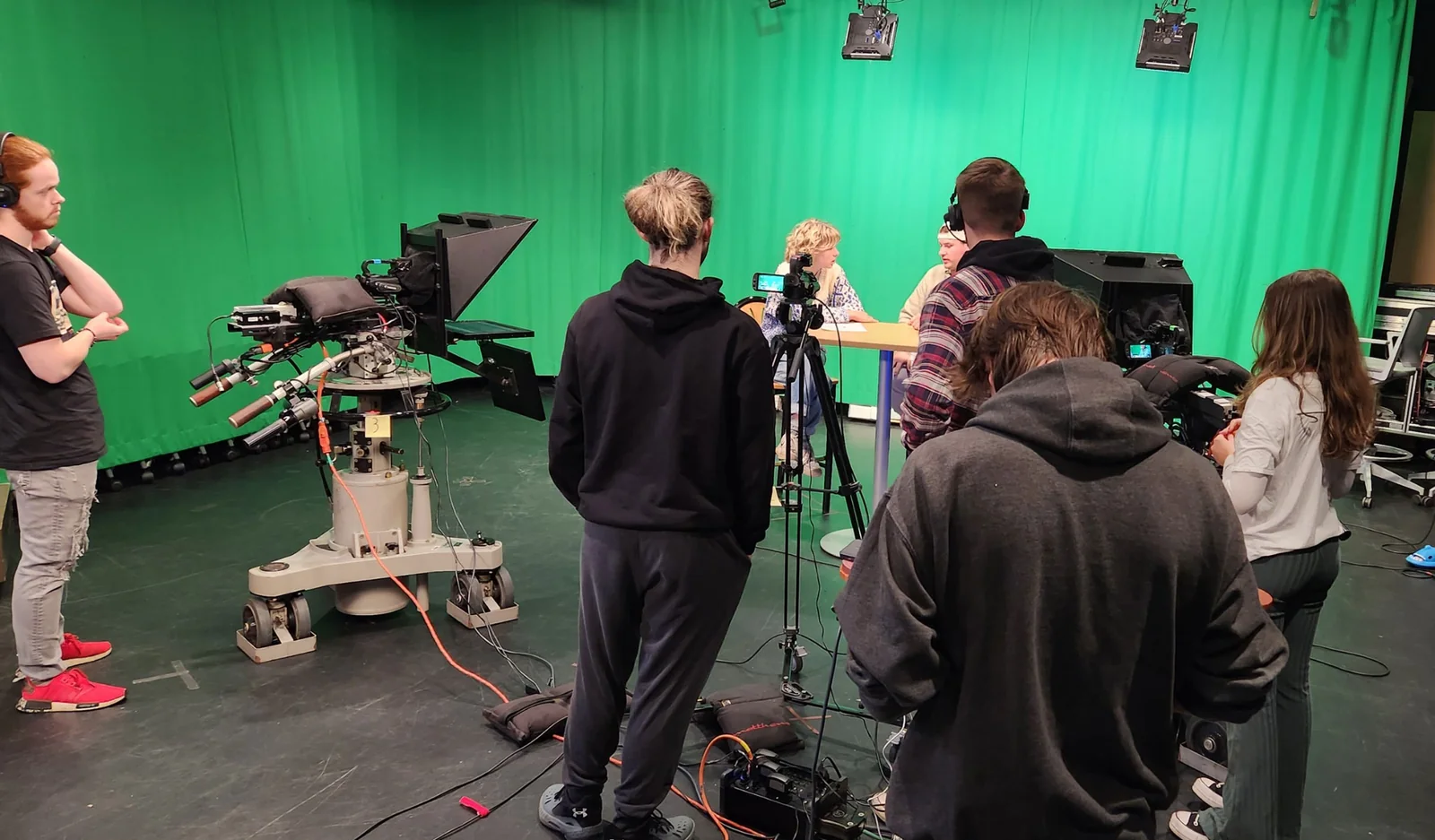
Sometimes, for a particular project. A phone is well suited to a low-budget short, a location scout, behind-the-scenes footage or a documentary built around mobility. A cinema camera may still be the better choice when a shoot calls for specialized lenses, precise monitoring, more flexible lighting conditions or established on-set workflows.
The most useful question is not whether one device defeats the other. It is whether the equipment supports the story, the schedule and the people making it. Good filmmakers work backward from what the audience needs to see and hear, then choose the simplest tools that can deliver it.
Conclusion
Smartphones have made the first stages of filmmaking more accessible to people who once could not afford to experiment. They have not removed the need for preparation, craft or collaboration. In many ways, they make those skills more visible: when the camera becomes easier to obtain, story, sound, lighting and editing do more of the work.
The smartphone revolution is therefore less about replacing professional cinema equipment and more about expanding who gets to start. For an emerging filmmaker with a strong idea, the ability to shoot, learn and make another film is already a major change.

Comments
No comments yet. Be the first to share what you thought.