
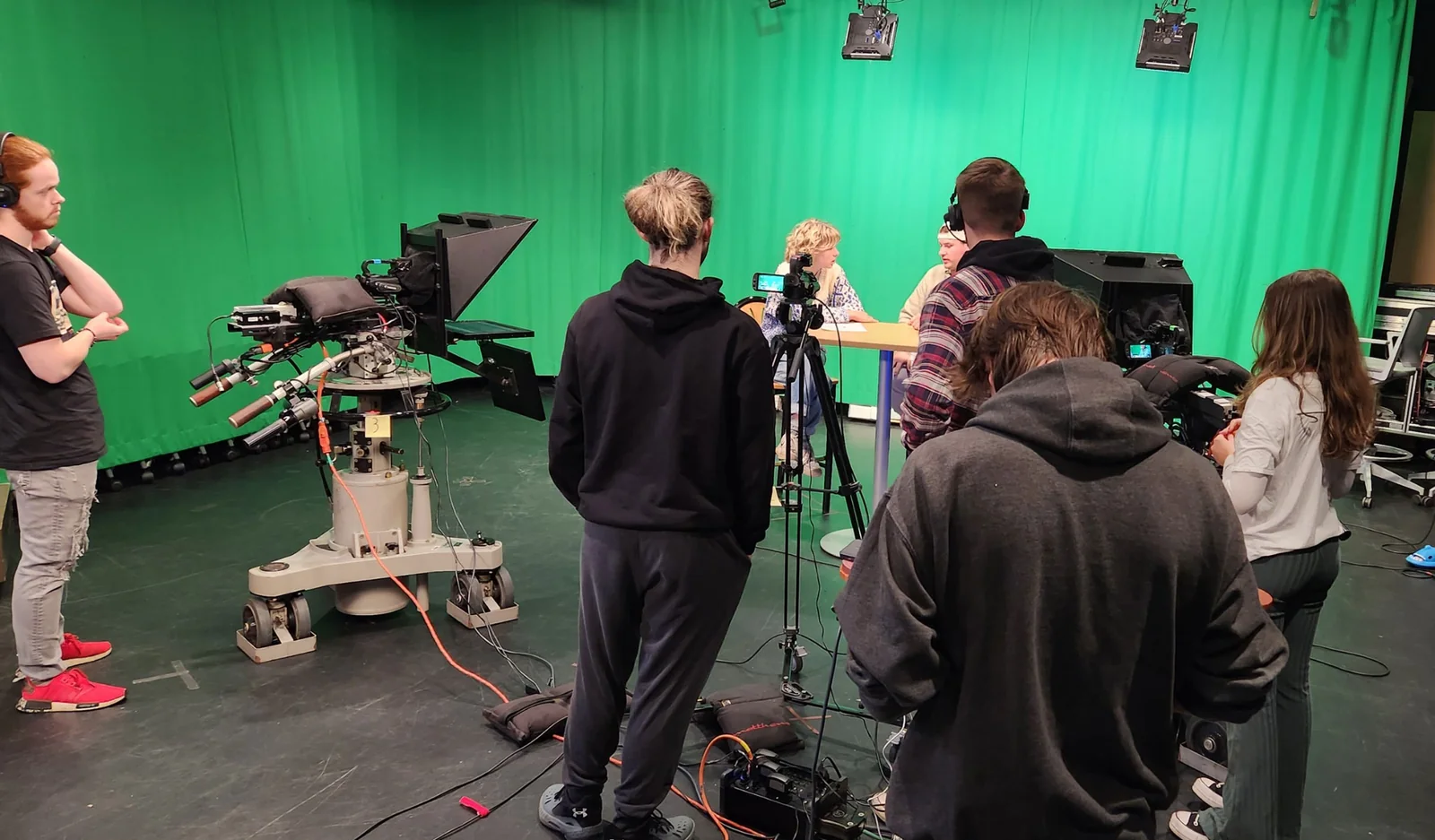
Image credit: Champlain College
A finished studio trailer can cost tens of thousands of dollars after a production pays for crew, camera packages, locations, actors and a dedicated trailer house. Independent filmmakers are now making trailers with comparable polish through generative AI, for the cost of a few software subscriptions.
Enterprise money is driving the shift. McKinsey & Company estimated in June 2023 that generative AI could add the equivalent of $2.6 trillion to $4.4 trillion annually to the global economy (McKinsey & Company). Investment at that scale has pushed text-to-video models into cheap consumer tools, and AI narration and AI music have followed the same path.
The directors behind these trailers have settled on a repeatable method. A trailer that once required a hired trailer house can now move through five phases one person can handle: a script breakdown, an AI lookbook, shot generation, sound design and a traditional edit.
The budget math behind the shift
Trailer houses charge what they do because a trailer is a full production compressed into 60 to 90 seconds. The job takes coverage of the film's strongest moments, a narrator, a licensed score and a color grade that reads as theatrical.
Beyond equipment, a trailer house sells a method. Editors there break a film into emotional beats, pull coverage for each beat and cut to music, and that method transfers directly to a solo AI workflow.
Many independent productions have historically answered that bill with weak trailers. A director cutting alone, without money for a voice actor or a composer, shipped a trailer that undersold the film it was meant to sell.
Generative AI changes that math. A generated shot costs only a small part of a subscription fee, and a failed take usually means only a revised prompt.
The work stops being a single fixed expense and becomes an iterative process. A filmmaker can produce several cuts of the same trailer, test them with audiences and keep the one that performs, at near-zero marginal cost.
Gareth Edwards offered a mainstream reference point when he built a custom AI visual-effects pipeline for The Creator in 2023, at a fraction of the typical effects budget for a film of that scale.
Studios have long paid for a version of this method under another name: previsualization. The practice of roughing out shots before filming exists to catch expensive mistakes early, and AI can turn that work into a cheap solo step.
Phase one: break the script into shots
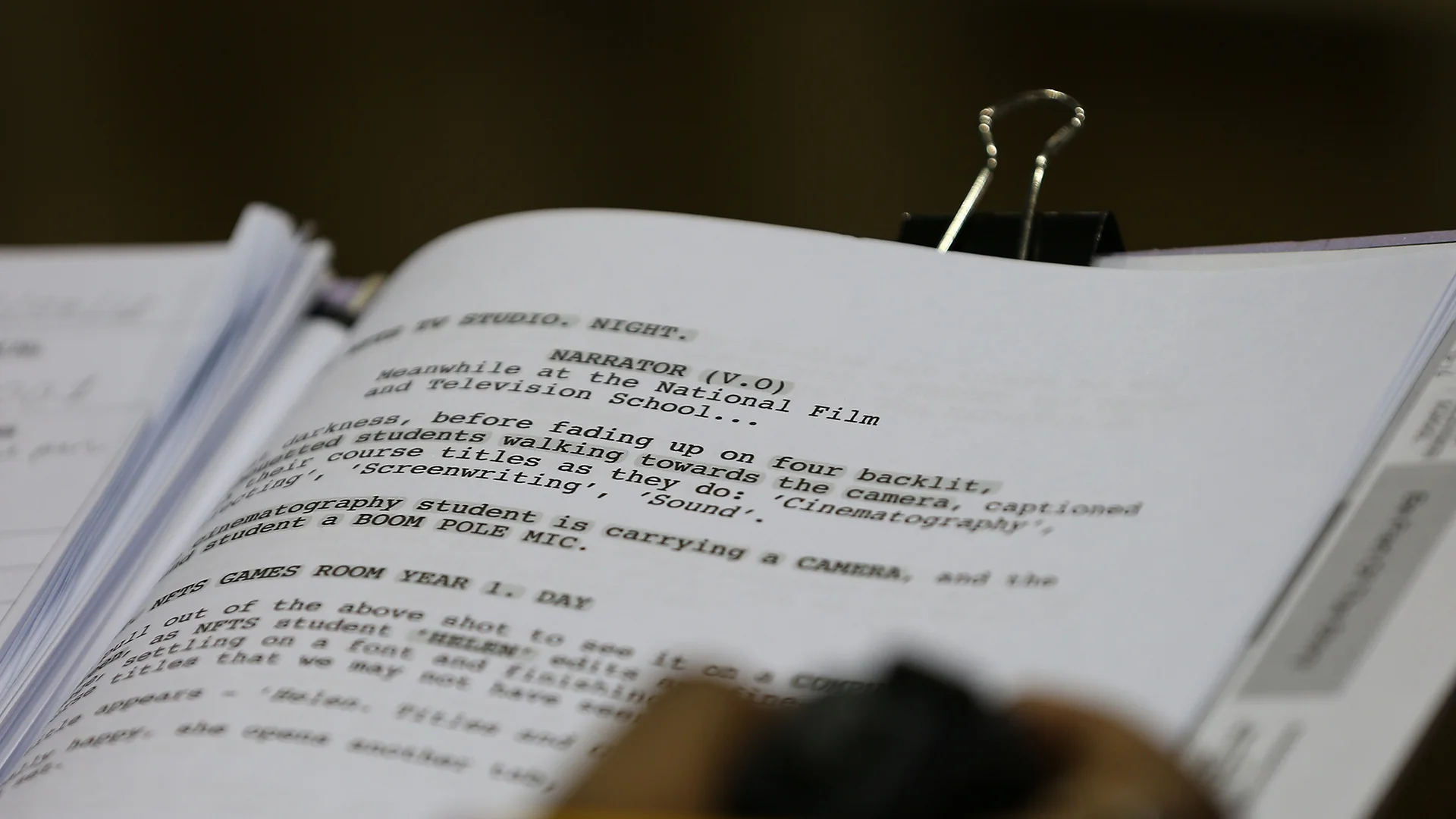
The workflow starts on the page before it moves to a prompt window. A trailer follows a three-act emotional arc of setup, conflict and payoff, and the filmmaker's first job is to mark those beats in the script or beat sheet.
Each beat becomes a set of shots. Trailer editors think in film grammar, and the breakdown uses the same vocabulary: a wide shot establishes the world, an insert sells a key detail, a close-up lands the emotional turn and a match cut carries momentum between scenes.
Coverage matters here the way it matters on set. A beat that relies on one generated shot is fragile, so the breakdown calls for two or three options per beat and lets the edit make the final choice.
Those shots become prompts. A director who writes "wide shot, lone figure crossing a flooded street at dusk, static camera" is briefing the model the way a director briefs a camera operator.
Camera language does real work in a prompt. Terms like dolly-in, low angle and shallow depth of field change what the model returns, and filmmakers who speak that language get usable footage in fewer attempts.
Storyboards help when the filmmaker can draw. Even rough boards give every generated shot a job inside the trailer's structure, and they prevent the common failure of a folder of disconnected clips that add up to nothing.
Phase two: lock the look before generating video
Video models drift. Two prompts written a day apart can return footage that looks like it came from different films.
The standard fix is an AI-generated lookbook. Filmmakers run image models first and produce style frames for each sequence, and those frames lock the color palette and lighting direction before any video prompt runs.
The lookbook supplies every later phase. A still approved here becomes the reference image used during generation, and the palette becomes the target for the color grade in DaVinci Resolve or Premiere Pro.
A trailer reads as studio-quality largely because of color decisions. Locking the look at the style-frame stage costs nothing, and it prevents the most expensive problem in AI filmmaking: regenerating shots that no longer match.
Phase three: generate the shots
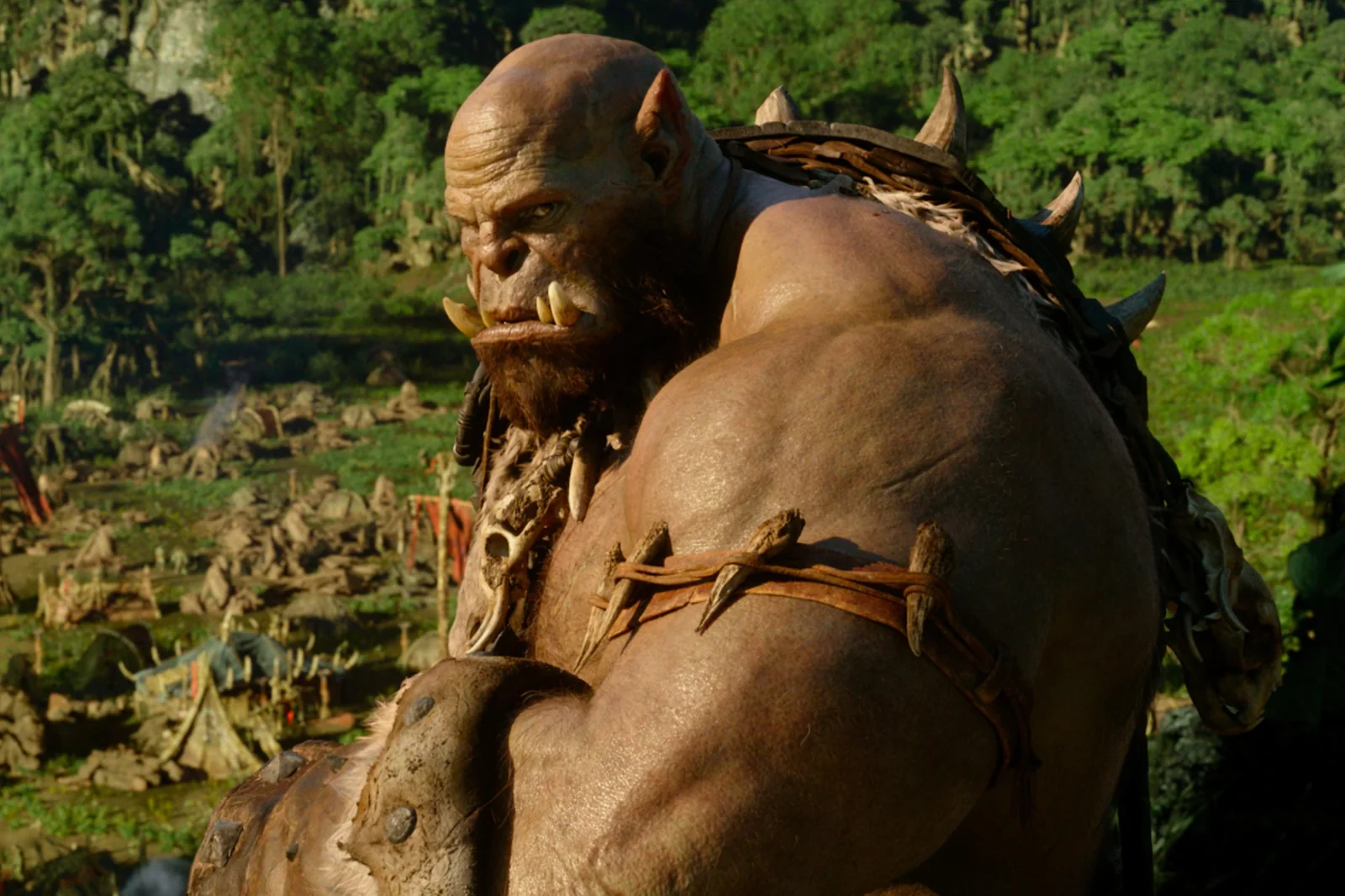
General-purpose text-to-video models handle this stage. Runway's Gen-3, OpenAI's Sora and Pika each generate live-action-style shots from written prompts, with no camera and no crew.
All three run on diffusion models. The software starts from random noise and refines it step by step until the frames match the prompt.
Character consistency is the hardest technical problem in AI filmmaking. The same actor, wardrobe and facial features must survive across cuts, or the trailer reads as a montage of strangers.
The first workaround is the reference image. Most tools accept a still of the character, and submitting the same still with every generation keeps the face stable.
The second is prompt discipline. Descriptions of wardrobe, framing and lens are repeated word for word across prompts, because any variation invites the model to redesign the character.
The third is duration. Short takes give the model less room to drift, and trailers cut fast anyway.
General-purpose models still leave gaps for trailer work. Consistency controls vary from tool to tool, and none ship with shot templates built around a trailer's structure.
Purpose-built platforms address that layer. Cinema Studio packages character consistency and trailer-specific shot templates in a single workflow, with cinematic aspect ratios handled inside the same generation pass.
Phase four: build the sound first
Studio trailers sound a specific way. A distinctive announcer voice sits over a score built for rising tension, and both layers are now cheap to produce.
The announcer tradition runs deep in trailer history. That kind of voice tells an audience the film belongs in a theater.
AI narration tools such as ElevenLabs generate voice-over from a script. A filmmaker can audition voices and rewrite lines until the read fits, without booking a booth or a voice actor.
AI music generators, including Suno and Udio, produce custom tracks with a defined tempo. A temp track used to be a placeholder, and a generated track can now carry the final cut.
The tempo map matters more than the melody. Editors cut trailer footage to the music, and the track comes first, so the cuts land on its beats and the footage conforms.
That order is often the fastest route to a professional feel. A trailer cut on the beat reads as deliberately paced even when the underlying shots are short and simple.
Phase five: the edit still belongs to a human
AI can generate the assets, but a person still has to assemble them.
Every generated shot passes through a nonlinear editor such as Premiere Pro, DaVinci Resolve or Final Cut. A human sets the pacing and the sync, and controls what the audience sees in each second of the runtime.
Montage is where the trailer's argument gets made. Which shot follows which, and how long each holds, is editorial judgment, and it's the same judgment trailer houses have always sold.
Color grading happens here as well. Raw model output has a recognizable flatness, and a grade built on the LUTs chosen during the lookbook phase moves the footage toward a theatrical finish.
The three-act arc from the breakdown becomes real in the timeline. Setup shots give way to conflict, the conflict tightens into faster cutting, and the payoff lands on the film's title card.
The edit is also where the budget math pays off a second time. Every asset is cheap to regenerate, so a weak shot in the timeline is one prompt revision away from replacement, and a filmmaker can finish separate cuts for festival programmers, distributors and social channels.
Cut for every platform at once
A trailer is several products at once. The 16:9 cut that runs on YouTube or ahead of theatrical screenings is a different object from the vertical 9:16 cut built for social feeds.
Producing both used to mean extra edit sessions and extra budget. AI tools re-crop or regenerate variants cheaply, so a micro-budget production can plan platform versions from the first breakdown.
The practical step is to tag shots by platform during the script breakdown. Close-ups survive a vertical crop better than wide shots do, and that fact belongs in the shot list before generation begins.
Each version gets its own pass in the edit. The social cut often opens on the payoff moment, because a vertical audience decides within seconds whether to keep watching.
The limits and the rules
Current models struggle with physics, object permanence and detailed on-screen text, so hands can deform, objects can vanish between frames and rendered signage can come out unreadable.
Experienced filmmakers plan around those weaknesses. Models perform well on stylized lighting, static camera setups and short dramatic takes, so shot lists favor those setups and editors cut around the rest.
Length discipline helps on both counts. A trailer assembled from two-second and three-second takes hides model weaknesses and matches the cutting rhythm audiences expect from the form.
Disclosure is the other planning item. The horror film Late Night with the Devil drew public backlash over AI-generated imagery in its finished cut, and the reaction showed what happens when audiences feel misled.
Festivals have moved toward explicit rules. Sundance and SXSW maintain guidelines on AI involvement in submissions, and a filmmaker who fails to disclose generated material risks disqualification.
Consent is the hard line. Cloning an identifiable actor's face or voice without permission is off the table, whatever the tools allow.
The pipeline works because each phase hands a finished asset to the next. The breakdown produces a shot list, the lookbook produces style frames, generation produces clips, sound produces a tempo map, and the edit produces a trailer.
Filmmakers no longer need the camera package, the crew and the trailer house to make a trailer. They still need a script.
Comments
No comments yet. Be the first to share what you thought.