

 Loading...
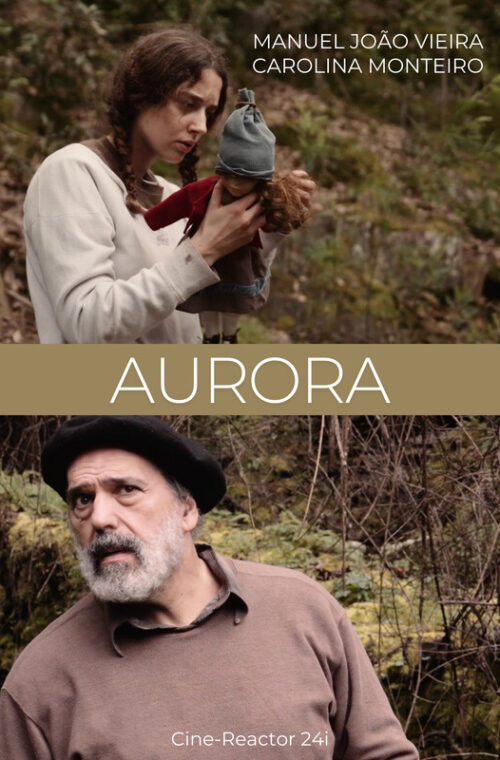
Aurora seems to inhabit a parallel universe, a stage where she reinvents everyday life through the eyes of a porcelain doll, as a witness to her internal monologues and a witness to her experiences. As the story unfolds, the factual becomes intertwined with the psychological – emerging the expression of abandonment, loneliness and violence: Aurora progressively approaches the incarnation of the adult woman who one day ceased to exist. Ernesto – the man who digs an improvised grave and ends his days consuming brandy – personifies the loss of control, transforming himself into a possessive aggressor and the woman into his victim, until the premature grave. Violence emerges through sound expressions, passed backwards, tearing even innocence from chaos. Aurora watches the revelation of this discovery. Ernesto completes his irreversible decline. The Doll is a witness to what cannot be forgotten.








Leave a reply