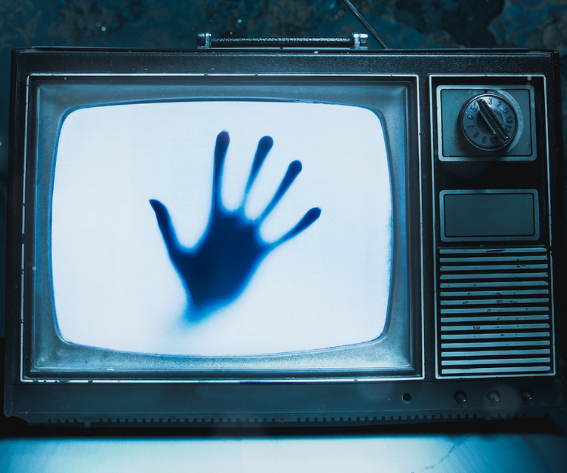
It seems like anyone with a vision and a compelling story to tell has the potential to become the next Sam Raimi or John Carpenter. Horror is a genre that’s perfect for amateur filmmakers looking to build their portfolio and make it big in the mainstream.
Making a horror film is not a simple endeavor, especially when it comes to the resources needed to turn a concept into a full-fledged masterpiece. However, many well-known masterpieces were able to work with basic materials and smaller budgets. Just think about the success that the first installment of the Paranormal Activity films raked in with just a measly budget of $15,000. You can attain that level of success if you follow a few key principles.
1. Simplify Your Story
You might think that a good ghost story involves setting aside a large budget for CGI or that a science fiction horror flick requires shooting on location in Norway. For the most part, you don’t have to do any of these if your story is easy to execute. If you’re brainstorming for ideas, you will want to come up with a story concept that uses a single location and involves two or three characters.
It’s also important to limit the number of subplots. Doing so will help reduce the number of shooting days and avoid too many reshoots. However, as the filmmakers, you have the final say on what to cut out or retain to match your creative vision.
2. Make Do with Basic Equipment
When it comes down to quality, you can never deny that quality audio and video equipment play a crucial role in making your film look more professional. However, if you look at the history of the genre, you will notice that some horror films were effective despite using the most basic tools.
The found footage niche pioneered by the likes of The Blair Witch Project does the camcorder POV so effectively, while the original Texas Chainsaw Massacre made full use of the rawness of an Eclair NPR 16mm camera. These films prove that amateur equipment could make any horror film more eerie, disturbing, realistic, and uncomfortable, so you might as well settle for the bare minimum.
3. Make the Most of Free Assets
Making a horror film with a limited budget involves gathering different creative assets to achieve a believable feel. The only issue is licensing, especially if you need stock videos, sound effects, and images for your project.
You can build an arsenal of assets from scratch, but this would mean spending more time recording and editing. Opt to look for royalty-free materials instead. If you don’t have a budget for creating original sound design and film score, look for websites offering royalty free horror music and sound effects you can easily add during post-production.
4. Get Local Support
Even with cost-saving measures, your initial budget might not be enough to cover the entire production. In one way or another, you will have to seek out additional funding, so consider turning to local brands that are willing to have their products or services featured in your film.
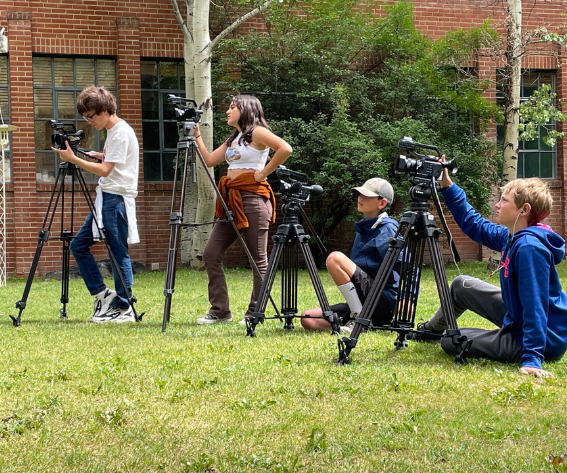
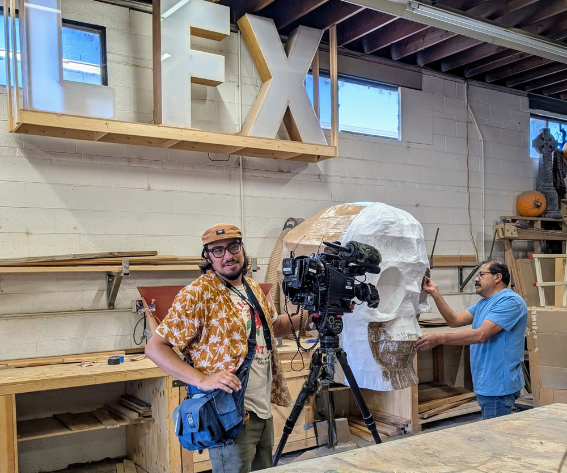
When it comes to casting, you can settle for acting or film students looking to build their resumes and gain experience. For props and locations, look only towards what’s available locally and see if you could have friends volunteer as extras, set builders, and prop designers.
Endnote
You don’t have to gain the approval of a major film company to create a compelling horror piece. Use only what’s available and cost-effective to craft your story, and you might as well get the nod of any film executive.
You may also like:




Leave a reply