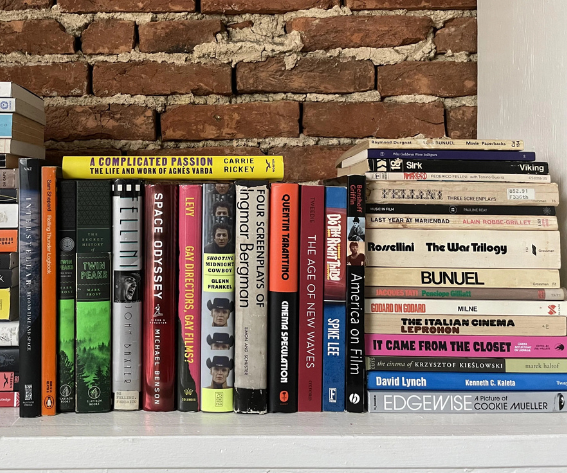
Film production consistently exceeds 9,000 titles per year, peaking at a historic 9,511 films globally in 2023. You can see by this volume that cinema is a dominant cultural medium, even as streaming platforms reshape industry revenue and models. Also, this massive output means audiences constantly consume visual narratives across streaming platforms and traditional theaters, as well as books about movies.
We created this collection by reviewing recommendations and library resources, including university film school reading lists. Many film enthusiasts use short learning formats and apps to learn about movies and film culture. If you want to expand your cinematic knowledge, you can also read and use curated summaries on apps and platforms that feature Deepstash reviews to quickly understand core concepts.
This approach can help you discover historical context and technical terminology, making it easier to appreciate movies about books and historical screen adaptations. Therefore, the titles below offer practical insights into the creative processes that shape global cinema history!
1. ‘Adventures in the Screen Trade’ by William Goldman: Showing How Films Reach the Screen
While watching films provides immediate entertainment, a growing number of enthusiasts seek a deeper understanding of directing, screenwriting, film history, and practical production decisions. Reading specialized literature allows you to analyze visual storytelling mechanics and learn how directors manage complex sets.
That is where William Goldman uses his experience to deliver a realistic look at Hollywood development systems. The text focuses on the structural changes that occur when a narrative moves from an initial script layout to a final theatrical cut. Readers learn how studio executives:
- Evaluate commercial potential
- Alter creative choices
- Manage production budgets
Goldman explains the constant revisions required during active filming. He details how a screenwriter alters dialogue to match an actor’s strengths or physical limitations. This focus on practical problem-solving demonstrates that filmmaking relies on continuous adaptation under pressure.
2. ‘Story’ by Robert McKee: Helping You Understand Narrative Structure
Robert McKee outlines a systematic framework for screenwriting that film schools worldwide use to teach narrative architecture. The text focuses on character motivation and scene construction, explaining how specific events alter the direction of a plot. Writers use these principles to build consistent tension throughout a two-hour feature film.
The book details how specific movies about books require structural adjustments to keep theater audiences engaged. McKee explains that literature often relies on internal monologues, whereas cinema requires immediate visual proof of a character’s internal changes. You can track these structural differences by using the Nibble app to study art and design principles in bite-sized learning sessions. McKee also focuses on a few core milestones that keep a script moving forward:
- Inciting incidents that disrupt the initial story world
- Progressive complications that increase the stakes for the protagonist
- Story climaxes that resolve the central dramatic question
3. ‘Easy Riders, Raging Bulls’ by Peter Biskind: Documenting a Major Hollywood Shift
Peter Biskind explores the historical transition that occurred in American cinema during the late 1960s and 1970s. The text documents how traditional studio control weakened, allowing a new generation of directors to dictate artistic choices. This period saw the rise of personal filmmaking styles, discussed on forums, that challenged conventional production culture.
The narrative relies on interviews with directors and actors who participated in the New Hollywood movement. You will discover how low-budget features managed to capture major box office audiences by addressing contemporary social themes. The book serves as a detailed historical record of how economic changes inside studios create opportunities for stylistic experimentation.
4. ‘The Conversations’ by Michael Ondaatje: Offering Direct Access to Filmmaker Interviews
Michael Ondaatje records a series of detailed interviews with film editor and sound designer Walter Murch regarding his collaborations with Francis Ford Coppola. The text explores the production decisions that shaped classic films like ‘The Godfather trilogy’ and’ Apocalypse Now’. You learn how tiny adjustments in sound mixing and shot juxtaposition alter the emotional weight of a scene.
The chapters show how directors and editors work together to find a coherent story among hundreds of hours of raw footage. Murch details the mechanical challenges of analog editing systems and the early transition to digital workflows. Reading summarized interviews of this type can help you understand the hidden labor that occurs during the post-production phase of filmmaking.
5. ‘Hitchcock/Truffaut’ by François Truffaut: Revealing the Craft Behind Cinematic Suspense
This text records a classic weeklong interview in which French New Wave director François Truffaut systematically questions Alfred Hitchcock about his entire filmography. The dialogue focuses on precise camera placement and the construction of cinematic suspense. The transcription shows how Hitchcock engineered specific visual cues to control audience anxiety levels in real time.
The book functions as a masterclass in visual grammar by analyzing specific scenes from Vertigo, Psycho, and Rear Window. The Film Foundation often references these transcripts to support film preservation and education efforts around the world. The interview covers three distinct areas of production planning:
- Detailed shot planning discussions before building physical sets
- Editing observations regarding the timing of close-up reveals
- Casting decisions based on how an actor looks in specific lighting configurations
6. ‘Pictures at a Revolution’ by Mark Harris: Examining a Turning Point in American Film History
Mark Harris uses the 1968 Academy Awards season to analyze a permanent shift in American audience preferences and studio economics. The book follows the production histories of five separate films, including ‘The Graduate’ and ‘Bonnie and Clyde’, that competed for Best Picture. Harris demonstrates how older studio models collapsed because they failed to reflect the changing cultural values of younger viewers.
The text utilizes production records, personal correspondence, and interviews to show how independent producers secured financing for risky projects. You can see how movies based on non-fiction books became crucial tools for studios trying to capture real-world historical events during times of social upheaval. The research demonstrates how macroeconomics and creative risks intersect during major industry transitions.
Review The Books About Movies Through Different Film Lenses
Evaluating cinema literature helps you understand how screenwriting structure and studio economics build the films we watch. This collection of books about movies shows that every frame results from conscious technical decisions and historical influences. Reading these texts will change how you watch classic features and help you appreciate the narrative adjustments required for movies about books.
You can also see how real events transform into cinematic narratives when studios produce movies based on non-fiction books and basic filmmaking lessons. Film enthusiasts often alternate between reading full-length histories and using shorter digital summaries and lessons to maintain their industry knowledge. Choose one specific aspect of film history or production culture that interests you today, and use these resources to deepen your understanding of visual storytelling!
You may also like:




Leave a reply