

A successful film may appear technically seamless on screen, yet many productions require extensive planning before principal photography begins. Films set across remote landscapes, complex interiors or large-scale practical environments demand precise coordination of equipment, lighting and sound, while each location introduces additional technical considerations. For filmmakers, the central challenge often lies in coordinating numerous individual production decisions into a coherent and effective process.
Even a seemingly straightforward scene, such as a casino sequence influenced by the vivid visual language of games like Hot Hot Fruit, may require detailed set design, controlled lighting and carefully captured audio. The following examples examine film projects and production environments that place substantial demands on crews, equipment and preparation.
Five Settings That Require Serious Preparation
Certain environments repeatedly demand more from filmmakers because they combine technical requirements with difficult working conditions.
- Underwater locations: Special camera housings, underwater lighting and controlled movement are essential.
- Desert landscapes: Heat, dust and rapidly changing light can affect both equipment and continuity.
- Large practical sets: Extensive lighting rigs and camera movement require detailed coordination.
- Historic buildings: Crews often need to protect fragile interiors while finding suitable positions for cameras.
- Working commercial locations: Shooting inside restaurants, theatres or casinos can require careful scheduling around the normal operation of the venue.
Casino scenes are a useful example of this last category. A filmmaker may want a visually rich environment filled with illuminated displays, reflective surfaces and moving background action. The production team then has to control reflections, practical lights and camera exposure. A digital game such as Hot Hot Fruit can also provide visual inspiration for colourful fruit symbols, illuminated interfaces or fast-moving sequences, especially when a production wants to recreate the atmosphere associated with modern casino entertainment.
Films That Push Production Equipment to Its Limits
Some films are difficult because of their scale. Others create challenges through the environments in which they are shot. Filming on water, in deserts or inside working industrial locations can place serious demands on cameras, lighting equipment and crew logistics.
Water-based productions are particularly demanding. Cameras need specialised protection, while lighting behaves differently underwater. Equipment also has to be positioned with precision because even small movements can change framing and exposure. Films such as Avatar: The Way of Water demonstrated how far filmmakers can push underwater production techniques. The production required extensive underwater performance work and specialised filming systems.
Desert productions create a different set of problems. Dust can affect lenses and mechanical equipment, while intense sunlight creates harsh contrast. Long shooting days also require careful planning around available light. A scene may look simple on screen, but maintaining consistent lighting across several hours can require significant preparation.
Remote locations create another challenge. Crews have to transport equipment, power supplies and set materials to places where standard production facilities may be unavailable. That makes equipment selection especially important. Every additional piece of gear adds weight and logistical complexity.
Why Set Design Matters as Much as the Camera
Expensive equipment cannot compensate for weak preparation. Set design determines how much freedom the camera operator has once filming begins.
A well-designed set gives filmmakers controlled sightlines. It also allows lighting teams to hide equipment while maintaining the intended visual style. This becomes especially important for interiors with reflective materials. Casino environments, for example, often contain glass, polished surfaces and illuminated signage. Each surface can create unwanted reflections or affect exposure.
Production designers therefore work closely with cinematographers before shooting begins. They can select materials that support the visual concept while making the environment easier to photograph.
Large sets also benefit from modular construction. Sections can be moved or redesigned without rebuilding the entire environment. This approach can save valuable shooting time while giving directors more options for camera placement.
Sound Effects and Audio Design Are Essential
Visual production receives most of the attention, but sound can determine how convincing a scene feels. Sound effects and audio design are crucial because they establish the physical character of a location. Footsteps, machinery, room ambience and background conversations help create a believable environment.
Casino scenes provide a clear example. A filmmaker might capture the visual appearance of gaming tables and illuminated machines, but the scene can still feel empty without the right acoustic environment. Layered sounds can create depth, while carefully controlled dialogue keeps the characters understandable.
The same principle applies to action sequences. The impact of a door closing, a vehicle passing or equipment moving through a room can add weight to the image. Foley recording is often used later to recreate sounds that could not be captured clearly during filming.
Films Set in Difficult Practical Environments
Real locations give films character, but they also give production teams more variables to manage. Lighting restrictions, limited shooting hours and fixed architecture can quickly turn a straightforward scene into a logistical puzzle, especially when filming in casinos, hotels or theatres.
The payoff is authenticity. Natural textures, reflections and spatial details give cinematographers material that is difficult to replicate on a soundstage.
Ultimately, demanding productions are won in the planning stage. The right location, set design and sound work together to make even complex environments feel effortless on screen.
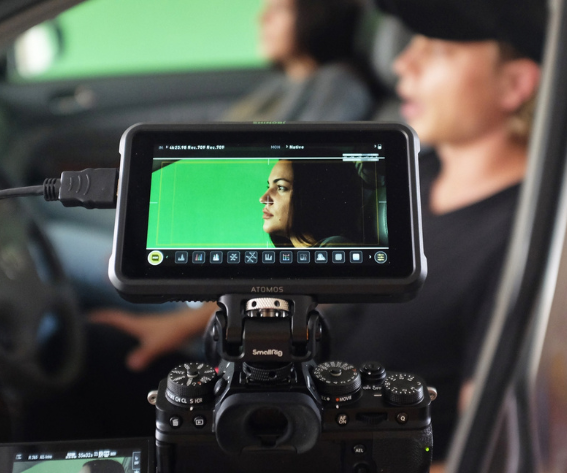
Image source: Spain Film Commission
You may also like:






Leave a reply