
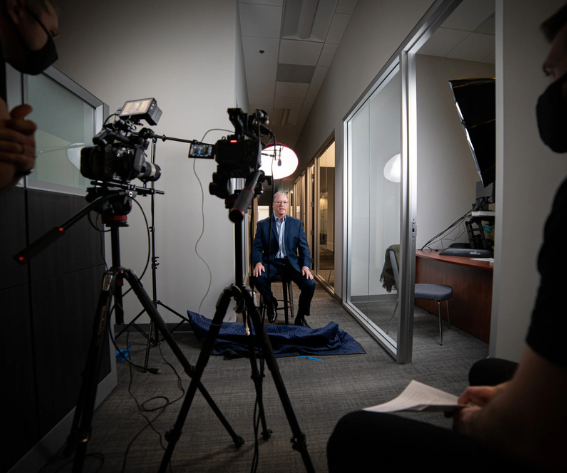
Filmmaking often gets associated with scale, multiple locations, large crews, and expensive logistics. Yet some of the most compelling stories ever put on screen unfold in a single room, a cramped apartment, or a confined setting. Working within one location is not a limitation. It is a creative catalyst that forces filmmakers to think deeper about storytelling, character, and visual language.
In fact, constraints in filmmaking work much like constraints in other industries. Just as a developer might build an engaging experience on a trusted crypto casino site with limited design space, filmmakers can create rich, immersive narratives within tight physical boundaries. The key is not the size of the space, but how effectively it is used.
Why Small Spaces Create Stronger Stories
When you strip away multiple locations, you are left with the core of storytelling. Characters, conflict, and progression become the main focus. Without distractions, the audience pays closer attention to dialogue, performance, and subtle shifts in tension.
Single location films often feel more intimate. The audience becomes almost trapped with the characters, sharing their emotional and psychological space. This closeness builds intensity. It also raises the stakes because there is nowhere to escape. Every moment matters more.
Additionally, small spaces naturally encourage tighter scripts. There is less room for filler scenes or unnecessary exposition. Every line of dialogue and every movement must serve a purpose.
Maximizing Visual Variety in Limited Space
One of the biggest challenges of filming in a single location is avoiding visual monotony. If the setting never changes, the filmmaker must create variation through composition and movement.
Camera angles play a huge role here. Wide shots can establish the environment, while close ups can emphasize emotional beats. Changing the height, distance, and perspective of the camera keeps the visuals dynamic.
Lighting is another powerful tool. A room can feel completely different depending on the time of day, color temperature, or direction of light. Morning light might feel hopeful, while harsh shadows at night can introduce tension or fear.
Blocking also matters. How characters move within the space can redefine it. A corner that felt safe in one scene might feel threatening in another simply because of how it is used.
Building Tension Without Changing Locations
Tension is the engine of storytelling, and in a confined space, it must come from within the scene rather than external spectacle. This often leads to more psychological storytelling.
Dialogue becomes sharper and more layered. Subtext carries more weight. Silence becomes just as important as words. A pause, a glance, or a shift in tone can completely change the direction of a scene.
Sound design also contributes significantly. Off screen sounds can expand the world beyond the visible space. A distant siren, footsteps in another room, or a phone ringing can introduce new elements without ever changing location.
Time can also be manipulated. Even within one space, the story can unfold across different hours, days, or emotional states, giving a sense of progression and evolution.
Character Depth Takes Center Stage
When the setting is limited, characters must carry the story. This is where strong writing and performance become essential.
Each character should have clear motivations, conflicts, and arcs. In a confined environment, their personalities will inevitably clash. These interactions create drama and movement even when the physical space stays the same.
Backstory can be revealed gradually through conversation, behavior, and visual clues within the environment. Objects in the room can act as storytelling devices, hinting at past events or hidden emotions.
The audience becomes more invested because they spend more uninterrupted time with the characters. This depth often leads to more memorable and impactful storytelling.
Practical Advantages of Single Location Filmmaking
Beyond creativity, there are practical benefits to working in one location. Budget is the most obvious. Fewer locations mean lower costs for permits, transportation, and logistics.
Scheduling becomes simpler as well. The cast and crew can focus on one environment without constant relocation. This often leads to more efficient shooting days and better use of time.
It also allows for greater control. The filmmaker can fine tune every detail of the space, from set design to lighting consistency. This level of control can significantly improve the final product.
For independent filmmakers or beginners, this approach makes filmmaking more accessible. It lowers the barrier to entry while still allowing for professional quality results.
Turning Limitations Into Style
Some filmmakers do not just work within small spaces, they build their entire style around them. Confinement can become a signature rather than a constraint.
By leaning into limitations, filmmakers often discover creative solutions that would never emerge in a larger production. Unique camera placements, inventive blocking,
and unconventional storytelling techniques all arise from the need to do more with less.
This approach also encourages experimentation. When the stakes are lower in terms of budget and logistics, there is more freedom to take risks and try new ideas.
Conclusion
One location does not mean one idea. With the right approach, a single space can hold countless stories, emotions, and perspectives. The key lies in how the filmmaker uses the tools available, from camera and lighting to sound and performance.
In the end, creativity thrives under constraint. A small space can become an entire world if it is explored with intention and imagination.
You may also like:




Leave a reply