
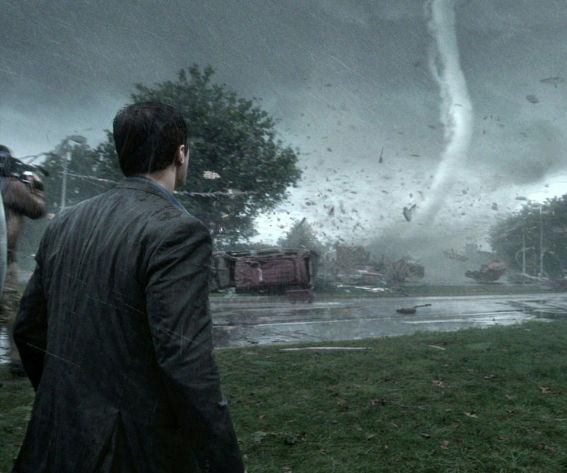
Weather is often treated as background decoration in filmmaking, something that simply makes a frame look more cinematic. Rain makes a street glisten, fog adds mystery, sunlight creates beauty, and snow gives a scene a quiet visual texture. But weather can do much more than improve the look of a shot. It can shape the emotional meaning of a scene, influence how the audience reads a character, and even change the rhythm of the story. When used with intention, weather becomes a psychological force.
In filmmaking, every visual element should have a reason to exist, even if that reason is subtle. A filmmaker thinking carefully about atmosphere is not just asking, “Would rain look cool here?” They are asking, “What does rain do to the character’s emotional state?” This same principle applies to how films are presented and promoted online. On a blog, social channel, or the official Stormlikes platform, atmosphere is often what makes a still image, teaser, or behind-the-scenes clip emotionally readable before the viewer even presses play.
Weather as Emotional Pressure
Weather can make a scene feel heavier before a single line of dialogue is spoken. A character walking through strong wind automatically appears to be resisting something. Even if the script does not explain the conflict yet, the body tells the audience that life is pushing against them. The wind turns a simple walk into a struggle.
Rain can work in a similar way. It creates discomfort, slows movement, and makes characters look exposed. A person crying in a dry room may feel emotionally direct, but a person standing in the rain can feel overwhelmed by something larger than themselves. The weather seems to join their internal collapse. It gives the emotion a physical form.
Heat creates a different kind of pressure. A scene set during intense heat can make characters seem irritable, trapped, or desperate. Sweat, still air, harsh light, and slow movement can suggest that everyone is close to losing control. This is why heat often works well in scenes about arguments, paranoia, desire, or moral decay. The environment feels like it is pressing down on the characters.
Sunshine Is Not Always Happy
Bright sunlight is often associated with joy, freedom, and openness, but it can also create discomfort. Harsh daylight removes hiding places. It exposes faces, bodies, mistakes, and lies. A confrontation in bright sun can feel more brutal than one at night because there is nowhere for the characters to disappear.
Soft morning light can suggest hope, renewal, or innocence. Late afternoon sunlight can create nostalgia, especially when it stretches shadows and warms the image. Midday light, however, can feel flat, cruel, or emotionally bare. This is why filmmakers should not assume that sunlight automatically makes a scene positive. The type of sunlight matters.
For example, a breakup scene at sunset may feel tragic and romantic because the day itself appears to be ending. The same breakup at noon in an empty parking lot might feel more humiliating and final. The event is the same, but the weather and light change the psychology.
Rain and the Feeling of Release
Rain is one of the most commonly used weather elements in cinema, partly because it is visually dramatic. But its psychological effect depends on context. Rain can suggest sadness, cleansing, chaos, romance, danger, or rebirth.
In a grief scene, rain can externalize sorrow. It makes the world seem to mourn with the character. In a romance scene, rain can remove social control. Characters get wet, messy, and physically vulnerable. Their polished surfaces disappear, which can make emotional honesty feel more believable.
Rain can also create release. A character who has been emotionally restrained for the entire film may finally break down during a storm. The storm gives them permission to lose control. The audience accepts the intensity because the environment has already raised the emotional temperature.
However, rain should not be used lazily. If every sad scene happens in the rain, the device becomes predictable. The best use of rain usually has a specific dramatic function. It should change the behavior of the characters, not just decorate the frame.
Fog, Uncertainty, and Moral Confusion
Fog changes the psychology of a scene by limiting vision. It hides distance, softens shapes, and makes the world feel unstable. This naturally creates uncertainty. The audience cannot fully trust what they see.
Fog is especially useful in scenes involving fear, memory, guilt, or moral confusion. A character walking through fog may seem lost, even if they know where they are physically going. The environment suggests that their inner life is unclear.
Fog can also make familiar places feel strange. A street, field, or forest becomes unfamiliar when visibility is reduced. This can help a filmmaker show that a character’s relationship with a place has changed. The location may be the same, but the character no longer experiences it in the same way.
Snow and Emotional Distance
Snow often creates quietness. It absorbs sound, simplifies landscapes, and slows movement. Because of this, snow can make scenes feel isolated, reflective, or emotionally frozen.
A conversation in the snow may feel more restrained than the same conversation in a warm kitchen. Characters may speak less, move carefully, and seem separated from the rest of the world. Snow can create beauty, but it can also suggest numbness.
It is especially effective in stories about grief, loneliness, memory, or emotional repression. A snowy landscape can make a character look small, almost swallowed by silence. In some cases, snow can suggest purity or renewal, but in others it can feel cold and unforgiving. The key is how the character interacts with it.
Wind and Inner Conflict
Wind is one of the most expressive forms of weather because it creates movement even when characters stand still. Hair, clothing, trees, dust, curtains, and smoke can all respond to wind. This gives the frame nervous energy.
A calm character in a windy environment can seem strong or emotionally contained. A distressed character in wind may appear even more unstable. Wind can suggest approaching change, unseen danger, or internal conflict. It is also useful when a scene needs tension but not overt action.
Unlike rain or snow, wind does not always dominate the image. It can be subtle. A curtain moving behind a character can suggest unease. Leaves shaking outside a window can make a quiet room feel less safe. The audience may not consciously notice these details, but they feel the disturbance.
Weather Can Change Performance
Weather does not only affect the image. It affects actors. Cold makes bodies tense. Heat slows reactions. Rain changes posture. Wind forces actors to adjust their voices and movements. These physical changes can make a performance feel more alive.
A scene performed in perfect comfort may become too clean. Real weather introduces resistance. Actors have to deal with the environment, and that can create small, honest behaviors. A character wiping rain from their face, shielding their eyes from sun, or pulling their coat tighter can reveal emotional information without dialogue.
These details are valuable because they prevent scenes from feeling abstract. The character is not just speaking lines. They are existing in a world that touches them.
Using Weather Without Becoming Obvious
The danger with weather is symbolism that feels too direct. Rain for sadness, thunder for anger, sunshine for happiness, and fog for confusion can become cliché if handled without nuance. The goal is not to match weather to emotion in the most obvious way. The goal is to create tension between the environment and the character.
A happy scene in the rain may feel intimate and rebellious. A terrifying scene in bright sunlight may feel exposed and realistic. A peaceful scene in strong wind may suggest freedom rather than danger. These contrasts often create more interesting psychology than simple matching.
Filmmakers should ask what the weather is doing dramatically. Is it hiding something? Revealing something? Slowing the character down? Making them vulnerable? Making them more aggressive? Changing how they move through space? If the answer is clear, the weather will feel motivated.
Weather as Storytelling, Not Decoration
The most effective weather in film is not just seen. It is felt. It changes how characters behave, how scenes breathe, and how viewers interpret emotion. It can make a quiet moment tense, a romantic moment fragile, or a violent moment strangely beautiful.
Weather gives filmmakers a way to turn inner states into external conditions. It allows emotion to spread into the world of the film. A storm can become grief. Heat can become pressure. Fog can become uncertainty. Snow can become silence. Sunlight can become exposure.
When weather is used thoughtfully, it does not simply make a scene look better. It makes the audience understand the scene differently. That is its real power.
You may also like:





Leave a reply