
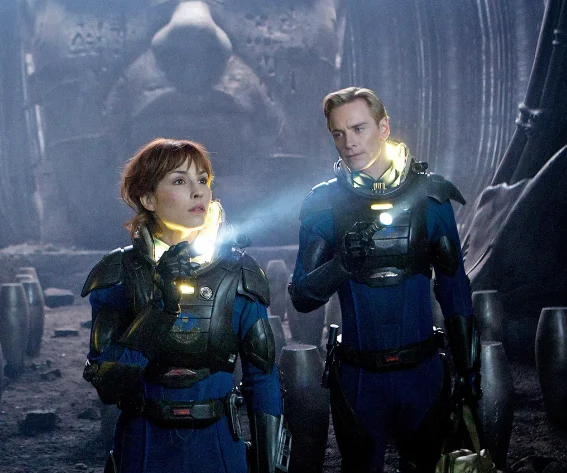
Before a character in a movie even opens their mouth, viewers are making assumptions about who they are purely based on their clothes. A neatly pressed shirt might suggest someone who likes to stay in control, while a worn-out jacket could point to money troubles or a reluctance to let go of the past. Those small details help audiences get a feel for the character and the world being built around them.
For filmmakers, costume design deserves a place in the conversation early on. The wardrobe needs to work with the camera and set design to shape a film’s mood and help characters stand out. Even on a tight budget, thoughtful clothing choices can give a film a clear, consistent look.
Clothing Gives Characters a History
Costumes feel more believable when they look like clothes a character would actually wear. Their wardrobe can hint at what they can afford and how they want people to see them. Sometimes, it even shows the gap between the image they’re trying to project and what’s really going on inside.
For example, an aspiring executive might wear an expensive suit, but with worn-out shoes. A character who usually tries to blend in might start dressing differently as they grow more comfortable with themselves.
When pondering how the fit will tell a story, a costume designer working with a tailor for women might give a jacket a sharper shape to help a character look more confident. Or they might keep the fit a little awkward because that feels right for the role. It all comes down to making the clothes look like they belong to the person wearing them.
Color Creates Connections and Tension
A film’s colors can feel more connected when the costumes work with the setting, for example when what a character wears helps them blend into a room or stand out the moment they walk in.
Picture a quiet family drama with muted interiors; a newcomer in a bright coat might catch the audience’s eye before the camera even moves closer. As that character’s influence grows, similar colors could start showing up elsewhere.
A character’s emotional shifts are often illustrated through color, but a color doesn’t have to have one fixed meaning. Red might feel confident in one scene and then vulnerable in another. It’s the connections a film builds along the way that give those colors meaning.
Fabric and Silhouette Shape the Image
Fabric affects how a costume looks and how an actor moves in it; a stiff collar can make a character seem tense or guarded, while a loose dress catching the wind can bring movement to a quiet scene, adding to its mood.
Materials also react differently to light: shiny fabrics catch it, while textured ones can add depth to a close-up. Camera tests help filmmakers see how those choices work on screen, especially when a clothing detail is pivotal.
A costume’s overall shape can create a recognizable silhouette; a broad coat or an unusual hat might reveal who’s approaching before their face comes into view. For independent filmmakers, details like these can give even a simple shot more personality.
Period and Setting Live in the Details
Clothing helps show when and where a story takes place, but getting it right takes more than picking familiar styles from a certain decade. People don’t replace their entire wardrobe whenever fashion changes, so an older coat or a favorite pair of shoes can make the world feel more lived-in and realistic.
Accessories matter too: a watch that’s been repaired several times might mean something special to its owner, while an impractical handbag could hint at what someone values. These details feel more believable when they fit the character without needing a full explanation.
The same care matters in stories set today; what someone wears should reflect where they work and the weather they deal with, even if the audience barely notices the clothes.
Teamwork Brings the Visual Style Together
Continuity helps keep choices consistent throughout filming and editing. Reference photos and scene notes make it easier to track where an accessory sits or how a costume gets more worn as the story unfolds. Keeping those details straight gives editors more footage they can use together and prevents unexpected wardrobe changes from distracting viewers.
Fashion and costume design help give a film its own recognizable look. When clothing feels right for a character and fits the world around them, it adds meaning without drawing attention to itself. Whatever the budget, thoughtful wardrobe choices can help filmmakers tell a richer story for a discerning audience.

Comments