
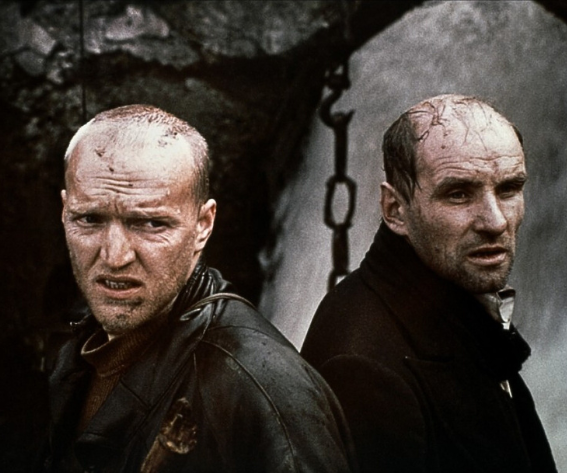
Eastern European cinema occupies a singular position in world film culture, shaped by turbulent history, ideological conflict, and artistic resilience. For decades, filmmakers from Poland, Hungary, Czechoslovakia, Romania, the Balkans, and the Baltic states have used film as both a creative outlet and a means of social reflection. Their works often confront authoritarian power, national trauma, moral ambiguity, and the everyday struggles of ordinary people. Even in unlikely corners of digital culture, echoes of the region appear, including companies like mr bet casino that circulate in online spaces as a playful but simplified reference to Eastern Europe. Yet behind such casual associations lies a far deeper and more complex cinematic tradition that continues to influence global film culture.
Cinema Under State Control
In the decades following World War II, much of Eastern Europe fell under Soviet influence, and film industries were largely controlled by the state. Governments funded productions but also monitored their ideological content. This created a paradoxical environment for filmmakers. Censorship restricted direct political criticism, yet guaranteed funding allowed directors to experiment artistically in ways that commercial industries often could not.
Polish cinema became one of the most prominent examples of this tension. Directors such as Andrzej Wajda explored national suffering, historical memory, and ethical compromise through carefully crafted narratives. Roman Polanski, before leaving the country, created psychologically sharp films that reflected the instability of postwar society. These filmmakers relied heavily on metaphor, symbolism, and visual storytelling to communicate dissent without provoking outright repression.
The Czechoslovak New Wave
During the 1960s, Czechoslovakia experienced a remarkable cultural flowering known as the Czechoslovak New Wave. Filmmakers like Milos Forman and Vera Chytilova broke away from rigid cinematic conventions and embraced irony, spontaneity, and formal experimentation. Their films often focused on ordinary people navigating absurd bureaucratic systems, generational conflict, and shifting moral landscapes.
Rather than presenting heavy handed political critiques, these directors used humor and realism to reveal deeper truths about life under authoritarian rule. Their playful yet pointed style helped redefine what political cinema could be, proving that satire could be just as powerful as tragedy.
Hungarian Formalism and Philosophy
Hungarian cinema developed a more introspective and philosophical tone. Director Miklos Jancso became famous for his long takes, carefully choreographed movement, and minimalist dialogue. His films often depicted historical cycles of oppression, loyalty, and betrayal. Instead of focusing on individual heroes, he emphasized collective experience and the mechanisms of power.
This approach influenced many later filmmakers across Europe and beyond. Hungarian cinema demonstrated that visual form itself could be a political statement, shaping how audiences perceive history, authority, and resistance.
The Post Communist Transformation
The fall of communism in 1989 dramatically altered Eastern European cinema. With political freedom came economic uncertainty. State funding declined, forcing filmmakers to seek international partnerships or private investment. Many worried that this would weaken the artistic identity of the region. Instead, a new generation of filmmakers emerged with fresh perspectives on post socialist life.
Romania became a major force in contemporary cinema through the Romanian New Wave. Directors such as Cristian Mungiu and Corneliu Porumboiu gained international recognition for their stark realism and understated storytelling. Their films often addressed corruption, bureaucracy, and the lingering psychological effects of dictatorship. Long static shots, natural dialogue, and uncomfortable silences became hallmarks of this movement.
Memory and Identity in the Baltics
In Estonia, Latvia, and Lithuania, filmmakers turned their attention to national identity and historical memory after decades of Soviet occupation. Many films revisited painful chapters of repression while also celebrating cultural survival.
Animation played a particularly important role in the Baltic region. Estonian director Priit Parn used surreal imagery and dark humor to critique political authority and human behavior. His work showed that animation could be deeply political while remaining visually inventive and intellectually challenging.
Balkan Storytelling After Conflict
The breakup of Yugoslavia and the wars of the 1990s left a deep imprint on Balkan cinema. Filmmakers from Serbia, Bosnia, and Croatia grappled with themes of violence, displacement, and national fragmentation.
Emir Kusturica became one of the most internationally recognized directors from the region. His films combined magical realism, chaotic energy, and dark comedy to portray history as both tragic and absurd. In his cinematic world, joy and despair often coexist, reflecting the complexity of life in the Balkans.
The Power of Intimacy and Sound
Beyond political themes, Eastern European films frequently focus on intimate human relationships. Many directors prioritize character psychology over spectacle, using quiet performances and minimalist settings to explore loneliness, family conflict, and generational tension.
Sound and music also play a crucial role in shaping atmosphere. Folk melodies, choral traditions, and experimental scores often ground films in local cultural contexts. Even when stories address universal issues, their soundscapes remind viewers of the region’s distinct heritage.
New Generations and New Forms
In recent years, younger filmmakers have embraced genre storytelling while maintaining an Eastern European sensibility. Some have turned to horror, science fiction, or thriller formats to address contemporary anxieties about technology, identity, and surveillance. Others blur the line between documentary and fiction, questioning how history is constructed and remembered.
Digital filmmaking has lowered barriers to entry, allowing more diverse voices to emerge. Independent directors now have greater freedom to tell stories that were previously marginalized or ignored.
Festivals and Global Reach
International film festivals remain crucial for Eastern European cinema. Cannes, Berlin, and Venice regularly showcase films from the region, helping them gain visibility and funding. However, many of these films still struggle to reach mainstream audiences beyond festival circuits. Distribution remains a major challenge, especially for smaller productions.
A Living Tradition
Eastern European cinema is not a single unified style but a mosaic of histories, languages, and artistic approaches. What connects these films is a shared engagement with power, memory, and human resilience. Whether through satire, realism, or formal experimentation, filmmakers from this region continue to push artistic boundaries.
As global audiences look beyond Hollywood, Eastern European films offer a rich alternative perspective. They demonstrate that cinema can be both politically urgent and aesthetically daring, rooted in local experience yet universally meaningful.
You may also like:





Leave a reply