

Building Muscle and Strength for a Role
When a character calls for a specific physique, actors typically follow structured strength and conditioning programs designed by professional trainers. These programs are tailored to the demands of the role and the actor's starting point.Working With Specialized Trainers
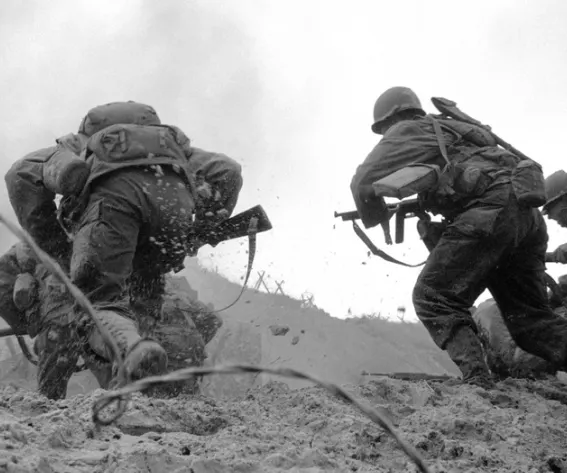
Most actors preparing for physical roles hire trainers who specialize in body composition and functional fitness. The training often combines weightlifting, resistance work, and sport-specific drills. For example, an actor preparing for a military role might focus on endurance circuits and bodyweight exercises, while someone playing a boxer would prioritize heavy bag work and agility training.Following Strict Nutrition Plans
Training alone does not produce visible results without a controlled diet. Actors typically work with nutritionists who design meal plans around their goals, whether those goals are to add lean muscle or cut body fat. These plans often involve eating at specific intervals, tracking macronutrient intake, and adjusting caloric levels as the body changes over weeks or months.Gaining or Losing Weight for Authenticity
Some roles require actors to move well outside their natural body weight. These transformations demand careful management to avoid long-term health consequences.Adding Significant Body Mass
Actors who need to gain weight for a role may increase their caloric intake dramatically while reducing physical activity. In some cases, the goal is to add fat rather than muscle to match a character's appearance. This process can strain the cardiovascular system, disrupt sleep, and affect joint health. Actors like Christian Bale and Charlize Theron have spoken publicly about the toll these changes have taken on their bodies over the years.Dropping Weight Under Medical Supervision
Losing significant weight for a role carries risks, including muscle loss, nutrient deficiencies, and hormonal imbalances. Actors who undergo these changes typically do so under medical supervision, with regular bloodwork and health monitoring. The timeline for weight loss is usually compressed, which adds additional physical and mental stress to the process.Learning Combat and Stunt Techniques
Action-heavy roles often require actors to perform fight sequences, handle weapons, or perform high-risk physical feats. Preparation for these scenes involves dedicated skill training over several months.Training in Martial Arts and Stage Combat
Many actors sharpen their fight scene skills by training in combat disciplines such as boxing, Brazilian jiu-jitsu, and Muay Thai. Stage combat choreographers then adapt these skills into sequences that look convincing on camera while minimizing injury risk. The process requires repetition, timing, and coordination with stunt doubles and scene partners.Performing Stunts Safely
While many productions rely on stunt professionals, some actors choose to perform their own stunts. This requires additional preparation, including:- Practicing falls, jumps, and impacts on controlled surfaces
- Learning wire work and harness techniques
- Building core strength and flexibility to reduce injury during high-impact sequences
- Rehearsing choreography repeatedly to ensure consistency across multiple takes

Comments