Storytelling has always been at the heart of filmmaking, but the way stories are created, shared, and consumed has changed dramatically in the digital age. Social media platforms have
transformed audiences from passive viewers into active participants, reshaping how filmmakers think about narrative structure, pacing, and engagement. Today, a story does not simply live on a cinema screen. It unfolds across multiple platforms, often in real time, and invites interaction from global audiences.
Social Media as a Creative Playground
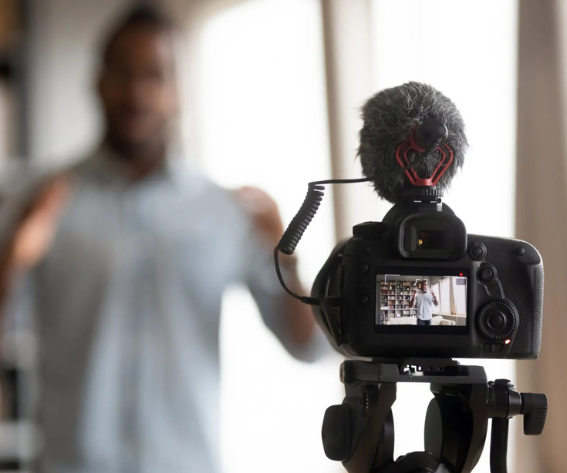
Platforms like Instagram, TikTok, and YouTube have become essential tools for filmmakers. These spaces allow creators to experiment with short-form storytelling, test ideas, and build audiences before committing to larger projects. Filmmakers are no longer dependent solely on studios or traditional distribution channels. Instead, they can release teasers, behind-the-scenes footage, or even entire narratives directly to viewers. This shift encourages more diverse voices and unconventional storytelling styles that might not fit within traditional film frameworks.
Changing Narrative Structures
The influence of social media has led to a shift in how stories are structured. Attention spans are shorter, and audiences expect immediate engagement. As a result, filmmakers are adapting by creating more dynamic openings, faster pacing, and episodic formats that mimic the rhythm of social feeds. Cliffhangers, bite-sized episodes, and interactive polls are now part of the storytelling toolkit. This evolution challenges traditional linear narratives and opens the door to more flexible and experimental forms.
Audience Engagement and Participation
One of the most significant impacts of social media is the direct connection between creators and audiences. Viewers can comment, share, and even influence the direction of a story. This level of interaction creates a sense of community and investment that was previously difficult to achieve. Filmmakers can gather instant feedback, refine their work, and build loyal fanbases. In some cases, audience reactions can shape future episodes or sequels, making storytelling a collaborative experience.
The Rise of Influencer Filmmakers
Social media has given rise to a new generation of filmmakers who start as content creators. Influencers with strong storytelling skills are transitioning into film and television, bringing their built-in audiences with them. This trend is changing the industry’s power dynamics. Studios and producers are increasingly looking at social media metrics as indicators of potential success. A filmmaker’s online presence can be just as important as their portfolio, blurring the line between creator and marketer.
New Opportunities for Distribution
Digital platforms have expanded the ways films can be distributed and monetized. Instead of relying solely on theatrical releases or streaming services, filmmakers can use social media to promote and even premiere their work. Short films, web series, and experimental projects can gain traction online and attract attention from larger platforms. This democratization of distribution allows independent creators to compete on a global scale, reaching audiences that were once inaccessible.
The Role of Digital Ecosystems in Storytelling
As digital storytelling continues to evolve, filmmakers are exploring how different online spaces can work together to create immersive experiences. A story might begin on one platform, expand through interactive posts, and conclude in a longer film format. In this interconnected landscape, websites such as gembetzone.com can also play a role in hosting content, building communities,
or supporting digital campaigns that extend a film’s narrative beyond traditional boundaries. These ecosystems highlight how storytelling is no longer confined to a single medium but thrives through integration and accessibility.
Challenges in the Social Media Era
Despite its many advantages, social media-driven storytelling comes with challenges. The pressure to constantly produce content can lead to burnout and compromise creative quality. Algorithms often prioritize trends over originality, making it difficult for unique voices to stand
out. Additionally, the fast-paced nature of social media can discourage deeper, more complex narratives. Filmmakers must find a balance between capturing attention and maintaining artistic integrity.
The Future of Film in a Connected World
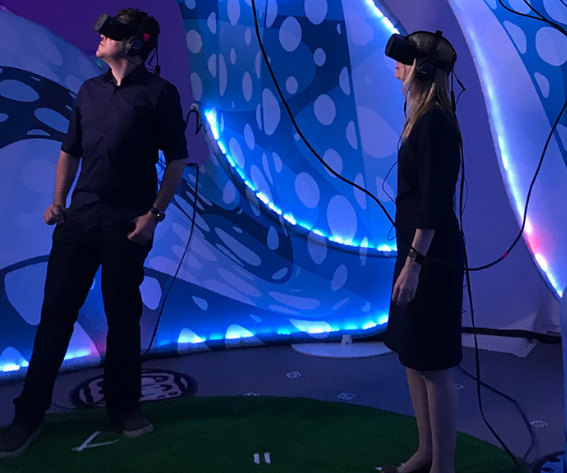
Looking ahead, the relationship between social media and filmmaking will only grow stronger. Emerging technologies such as virtual reality, augmented reality, and artificial intelligence will further enhance digital storytelling possibilities. Audiences will continue to seek interactive and personalized experiences, pushing filmmakers to innovate. The lines between film, social media, and other digital content will become increasingly blurred, creating a more fluid and dynamic creative landscape.
Conclusion
Social media is not just a promotional tool for filmmakers. It is a powerful storytelling medium that is reshaping the future of film. By embracing digital platforms, filmmakers can connect with audiences in new and meaningful ways, experiment with innovative formats, and expand the reach of their stories. While challenges remain, the opportunities for creativity and collaboration are greater than ever. In this evolving digital era, storytelling is no longer confined to the screen. It lives, grows, and thrives across the entire online world.
You may also like:




Leave a reply