
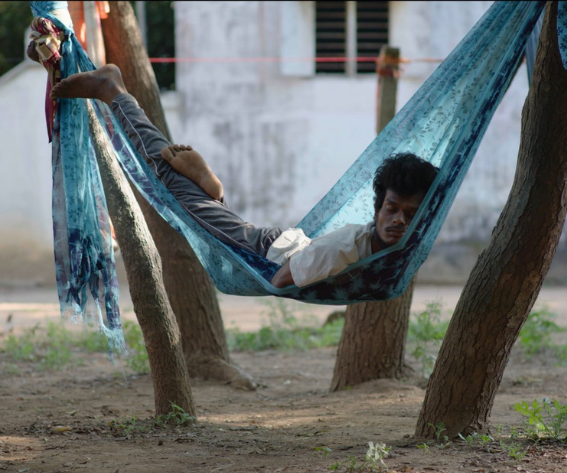
A Tamil-language film that drew strong critical attention at the Berlin International Film Festival earlier this year is now set to headline one of the Southern Hemisphere’s most prominent celebrations of Indian cinema. Members of the Problematic Family, fresh from its acclaimed Berlinale 2026 run, has been named the opening film of the Indian Film Festival of Melbourne (IFFM) 2026, The Hindu reported.
A Festival Premiere Competes With Every Other Claim on a Saturday Afternoon
The editorial team at Live Sports Odds watches the leisure economy closely, and the trajectory of Members of the Problematic Family illustrates a familiar tension. A film earns genuine praise on the international circuit, builds momentum across continents, and then arrives at a premiere that must win its audience from scratch — one free afternoon at a time.
For many people, that Saturday afternoon is already spoken for several times over before they open a cinema listings page. Checking football betting odds before a weekend fixture is one more pull on those same finite hours, sitting alongside everything else competing for attention.
“It is an honour for the film to open the Indian Film Festival of Melbourne following its premiere at Berlinale. IFFM has become one of the most important platforms for Indian cinema internationally, and I am excited to share our film with Australian audiences alongside our wonderful cast.”
That statement, from director R Gowtham, captures both the distinction of the selection and the scale of the opportunity. A Berlinale credit opens doors; an IFFM opening-night slot puts the film directly in front of an audience that has actively chosen to be there.
IFFM 2026 Opening Night and the Stakes for Indian Indie Cinema
IFFM 2026 runs from August 13 through August 23. The opening night screening, at which Members of the Problematic Family will be showcased, takes place on August 14 in Melbourne. Being named the opening film is not a minor scheduling note — it signals that the festival’s programmers consider the work representative of the best Indian cinema has to offer at this moment.
The film’s presence in the festival goes beyond the ceremonial. It carries two nominations in the IFFM Awards jury competition section, one for Best Indie Film and one for Best Director. That dual recognition places it among the titles being evaluated by judges, not merely celebrated. For an independent Tamil-language production to carry that weight at a festival of this standing reflects a broader shift in the international appetite for Indian regional cinema operating outside the mainstream commercial frame.
Grief, Ritual, and a Family Forced to Reckon With Itself
The film’s subject matter is deceptively intimate. Its narrative begins with the mysterious death of Prabha, a troubled young man whose passing sends immediate shockwaves through his extended family and the wider community around them.
What follows is structured around a sixteen-day funeral ritual — a framework that draws Prabha’s mother, uncle, cousins, and other relatives into sustained and inescapable proximity. Over those days, buried emotions begin to surface, simmering conflicts find their way into the open, and the complicated web of relationships within the family is forced into the light. The ritual that should bring closure instead becomes the mechanism that peels everything back.
The film’s logline describes this process as an exploration of the unpredictable nature of grief, family dynamics, and human behaviour rendered with “remarkable emotional honesty.” It aims, according to that description, to paint a “deeply humane portrait of love, loss and the fragile threads that bind communities together.” That is a considerable ambition for any film, and the Berlinale reception suggests the execution warranted the reach.
Director R Gowtham on Personal Stakes and the Melbourne Stage
For Gowtham, the work is not a detached exercise in social observation. He described Members of the Problematic Family as “a deeply personal story that examines grief, family, and the complexities that exist within every community” — language that situates the film firmly in the tradition of auteur cinema shaped by lived experience rather than genre convention.
Both Gowtham and lead actor Karuththadayan will be in Melbourne for the opening night celebrations and the film’s Australian premiere. Their attendance matters in a practical sense for the audience who will see the film: the presence of director and lead actor at a festival screening turns a screening into a conversation, and for a film this rooted in personal and communal experience, that context is part of what a premiere offers.
The Melbourne opening is set for August 14. Gowtham has expressed clear excitement about bringing the film to Australian audiences, and the occasion carries the weight of a journey that began on a very different stage — in Berlin, in the middle of winter — before arriving here.
Image source: Members of the Problematic Family (2026)
You may also like:





Leave a reply