
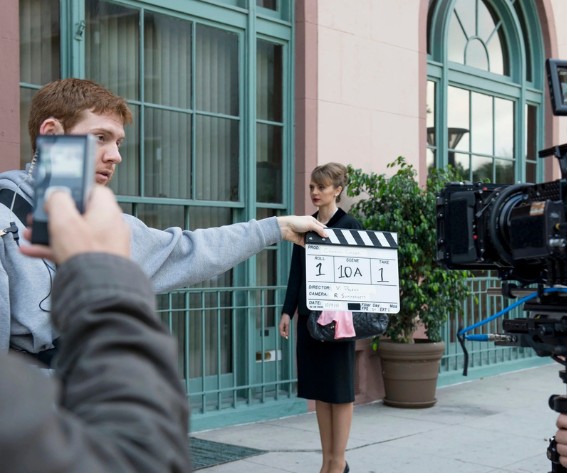
A two-minute movie scene can take hours or days to film. Actors repeat the same actions for each camera angle. A table can be reset between takes. Costumes may need small repairs. Every detail must look the same when the shots are joined. That job often falls to the continuity supervisor.
What a Continuity Supervisor Does
A continuity supervisor checks every take. They track where actors stand, what they hold, how much food is left, and how clothes look. They also note any changes in words or actions.
The role requires sharp eyes and careful notes. A small detail may seem unimportant during filming. Later, it may connect two shots. When the details do not match, the cut can look strange.
Props Need Careful Tracking
Props include any object used by an actor. Props can cause mistakes between shots. Food scenes are harder. After each take, the food and drinks must be put back to the same level.
Actor Movement Must Stay Consistent
Performance continuity goes beyond words. Actors need to repeat physical actions with care. They may sit down on the same line, turn at the same moment, or place an object at the same point in the dialogue. This helps camera angles fit together. A simple scene can involve many steps:
- The actor enters the room
- Puts down a bag
- Removes a coat
- Sits in a chair
- Picks up a letter
- Begins speaking
Dialogue Changes Need to Be Recorded
Actors do not always say every line exactly as written. A word may change. A sentence may be shortened. The director may approve a new version during filming. The continuity supervisor records the change while playing a few spins at Hellspin live casino.
This helps later scenes stay consistent. It also gives the editor a clear record of which take used which dialogue. Without notes, the sound and picture may not match. An actor’s mouth could show one word while the audio uses another take.
Camera Details Are Part of Continuity
The role is not limited to actors and props. Continuity notes often include camera position, lens choice, shot size, and take numbers. This information helps the crew repeat a setup when needed.
For example, a close-up may need to be filmed again days later. The same lens and camera height can help it match the earlier footage. Lighting may also need to stay close. A bright window in one shot should not become dark in the next unless the story explains the change.
Why Small Mistakes Can Feel So Big
A tiny error can break the illusion of a film. Viewers know that movies are created from separate shots. Still, they want the scene to feel continuous. A changing glass level or moving necklace reminds them that the scene was filmed many times.
Once noticed, the mistake may become hard to ignore. Some continuity errors become famous because audiences enjoy finding them. Others pass unnoticed during normal viewing. Even so, filmmakers try to avoid them. A smooth scene keeps attention on the story.
Not Every Difference Is a Serious Problem
Perfect continuity is difficult. Actors move naturally. Fabric shifts. Hair changes slightly. Props may land in a different place. The crew must decide which details matter most. A small change in a background object may not hurt the scene. A major change in an actor’s hand position could ruin the cut.
Story and performance still come first. A director may choose a stronger take even if one detail does not match perfectly. The continuity supervisor provides the information. The director and editor decide what to use.
Photos and Notes: Keep the Work Organised
Modern continuity teams use photos, tablets, scripts, and detailed reports. Each take may receive notes about performance, timing, action, and technical details. Photos help departments reset costumes and sets.
A clear record saves time. Without it, crew members would need to rely on memory. That becomes difficult during long shoots with hundreds of scenes. Good notes also help when extra filming is needed months later.
Continuity Supports the Editor
The editor receives many versions of the same scene. Continuity reports show which takes match and which contain changes. This makes it easier to combine wide shots, close-ups, and reactions.
A strong performance may come from one take. The best camera move may come from another. When continuity is clean, the editor has more freedom.
Poor continuity limits those choices. The editor may be forced to use a weaker shot because the better one does not match.
You may also like:




Leave a reply