
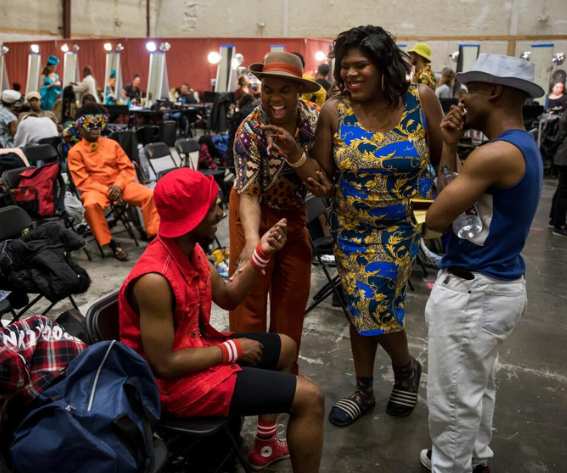
Background extras are often treated as moving scenery, but they can quietly shape how an audience understands a scene. In a film set inside a casino, for example, the extras at the tables, the staff behind the bar, and the anxious guests checking their phones can communicate risk, temptation, and impatience before anyone says a word. Even a detail as specific as a character searching for best online casinos with fast payout can become part of the world if it reflects their urgency, habits, or relationship with money. Extras can make a setting feel alive, reveal social tension, create visual irony, and guide the viewer’s emotions without a single line of dialogue.
Extras Are Not Just Decoration
In weaker scenes, background extras simply fill empty space. They walk from one side of the frame to the other, sip drinks, look busy, or pretend to talk. The frame may look populated, but it often feels artificial because nobody seems to have a real reason to exist there.
In stronger scenes, every person in the background appears to belong to the world. They have a purpose, a mood, and a life that seems to continue beyond the camera. A tired waiter wiping the same table for too long can suggest a failing restaurant. A couple arguing silently behind the main character can add tension to a romantic scene. A child staring at the protagonist can make a public space feel suddenly uncomfortable.
Extras become powerful when they are treated as emotional texture, not visual filler.
They Reveal the Rules of the World
Background characters help explain what kind of world the story takes place in. In a luxury hotel, extras might move slowly, speak softly, and keep polite distance. In a crowded train station, they may push, rush, bump shoulders, and ignore one another. In a small town diner, everyone might glance at a stranger the moment they walk through the door.
These small behaviors tell the audience what is normal in that environment. They reveal class, culture, danger, comfort, routine, and social pressure.
Imagine a character walking into a courtroom. If the extras are calm and bored, the scene feels procedural. If they whisper, stare, and shift nervously, the same location becomes charged with dread. The main character has not changed, but the world around them has told us how to feel.
Background Extras Create Contrast
One of the most effective uses of extras is emotional contrast. A character may be devastated while the world continues normally around them. People laugh, eat, dance, or check their phones while the protagonist quietly falls apart.
This contrast can be heartbreaking because it reflects a real human experience. When something terrible happens, the world rarely stops. Everyone else keeps moving.
A breakup in a busy café can feel more painful if the extras are enjoying their morning coffee. A criminal exchange in a playground can feel more disturbing because children are playing nearby. A lonely character at a party can feel more isolated when surrounded by people having fun.
The background does not need to match the foreground. Sometimes it becomes more meaningful when it does the opposite.
They Guide the Audience’s Eye
Extras can also shape composition. A filmmaker can use background movement to direct attention toward the subject. If everyone in a crowd moves left while the protagonist stands still, that stillness becomes striking. If several extras turn their heads toward a doorway before the main character does, the viewer will look there too.
The audience may not consciously notice this guidance, but they feel it. Human eyes naturally follow motion, faces, and reactions. This makes extras useful tools for visual storytelling.
Instead of cutting immediately to show that someone important has entered the room, a director can let the background reveal it first. Conversations stop. Heads turn. A waiter freezes. The protagonist senses the shift before seeing the person. The extras create suspense before the camera confirms the reason.
Reactions Make Events Feel Bigger
A dramatic event feels more significant when the world reacts to it. If a character screams in a public place and no one responds, the scene may feel fake unless that lack of reaction is intentional. But if people pause, stare, step back, whisper, or leave, the moment gains weight.
Extras can make danger feel contagious. They can make embarrassment feel unbearable. They can make fame feel overwhelming.
Think of a character giving a speech. The words matter, but the background reactions can completely change the meaning. Bored faces make the speech fail. Shocked faces make it powerful. Confused faces make it unsettling. Smiling faces make it triumphant.
The extras become a mirror for the audience.
Tiny Background Stories Add Depth
A rich frame often contains small stories beyond the main plot. These stories should not distract from the central action, but they can reward attentive viewers and make the world feel more complete.
A nurse comforting someone in a hospital hallway. A bartender secretly listening to a conversation. A security guard pretending not to notice a suspicious guest. A student copying another student’s answers in the back of a classroom. These details do not need dialogue. They simply make the environment feel alive.
The trick is restraint. Background stories should support the scene’s tone, not compete with it. If the main scene is tense, the background can quietly increase tension. If the scene is comic, the background can add a second layer of humor. If the scene is tragic, the background can make the emotion feel larger by showing how the world surrounds it.
Extras Can Show Power
Where extras stand, how they move, and who they look at can reveal power dynamics. A wealthy character may walk through a room while everyone steps aside. A feared character may silence a crowd simply by entering. A powerless character may struggle to get through a hallway because no one makes space for them.
This is visual hierarchy. The background tells us who matters in this world and who gets ignored.
In a workplace drama, employees might lower their voices when the boss appears. In a school film, students might part around the popular kid but bump into the outsider. In a crime story, people might avoid eye contact with a dangerous figure. These small choices can explain relationships faster than dialogue.
They Help Control Realism
Extras are essential to realism because real places are rarely empty. Streets, offices, bars, airports, hospitals, and schools all have rhythms. People wait, rush, argue, clean, flirt, eat, complain, and get distracted.
But realism does not mean randomness. A good filmmaker organizes background behavior so it feels natural while still serving the scene. The best extras seem spontaneous, yet their movement, timing, and reactions are carefully shaped.
Too much background activity can distract. Too little can make a scene feel lifeless. The goal is controlled reality.
Conclusion
Background extras are one of the most underrated storytelling tools in filmmaking. They can reveal the rules of a world, create emotional contrast, guide the viewer’s eye, intensify dramatic moments, and suggest stories beyond the main plot.
When used carelessly, extras are just bodies in the frame. When used thoughtfully, they become part of the film’s emotional language. They remind us that every scene exists inside a living world, and that sometimes the people behind the main character tell us just as much as the person standing in front.
You may also like:





Leave a reply