Every filmmaker wants the same thing after finishing a project: people talking about it. Not just watching it once and moving on, but sharing scenes, quoting dialogue, debating characters, and recommending it to friends. In today’s online world, audience engagement often begins long before a film premieres — and sometimes in places traditional marketing teams overlook.
Modern film promotion is no longer limited to trailers and press interviews. Social platforms have changed how viewers connect with stories, and filmmakers who understand internet culture are finding creative ways to keep their projects visible. From indie creators to major studios, visual humor and shareable content have become powerful tools for building momentum around a film.
One surprisingly effective strategy is using relatable visual content inspired by scenes, characters, or filmmaking moments. Many creators now experiment with humorous behind-the-scenes edits or fan-focused content to spark conversation online. Tools that help audiences create your own meme around a movie moment often encourage organic engagement far more effectively than polished advertisements ever could.
Why Online Film Communities Matter More Than Ever
Film audiences are no longer passive viewers. They participate.
A single scene can turn into a viral reaction format overnight. A character expression becomes a trending image. An unexpected line of dialogue gets repeated across social media for months. This kind of interaction creates emotional investment, and emotional investment creates loyal audiences.
Independent filmmakers especially benefit from this shift. Without massive marketing budgets, smaller productions rely heavily on community-driven promotion. A funny clip, relatable production struggle, or cleverly edited scene can spread naturally through online communities and introduce a project to entirely new audiences.
This doesn’t mean filmmakers need to turn every movie into internet comedy. It means understanding how people communicate online. Humor, authenticity, and emotional relatability travel faster than polished corporate campaigns.
The Rise of Shareable Film Content
Think about how many movies stay culturally relevant because of shareable moments.
Some films become famous not only for their plots but for their screenshots, reaction images, or instantly recognizable expressions. Even serious dramas occasionally produce moments audiences repurpose online in creative ways.
Studios have noticed this. Marketing campaigns increasingly include short-form clips optimized for social sharing. Editors create vertical trailers specifically for mobile users. Behind-the-scenes footage is released in bite-sized formats rather than long documentaries.
For filmmakers, this shift creates an important lesson: audiences enjoy participating in storytelling culture, not simply consuming it.
Encouraging audience interaction can extend the lifespan of a project dramatically.
Behind-the-Scenes Content Builds Human Connection
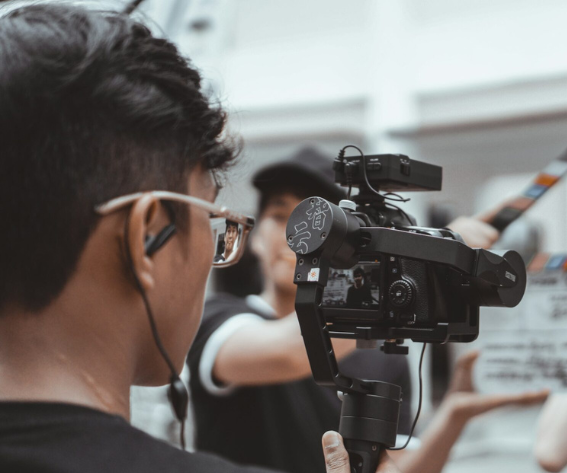
One reason filmmaking content performs so well online is because audiences love seeing the process behind the final product.
Watching actors break character, directors solve unexpected problems, or cinematographers improvise lighting setups makes filmmaking feel human. It reminds viewers that movies are crafted through collaboration, creativity, and problem-solving.
This transparency also helps emerging filmmakers connect with aspiring creators. Many successful directors built early online followings simply by documenting their process honestly.
A low-budget filmmaker sharing lessons from a difficult shoot often feels more relatable than a polished studio interview. Audiences appreciate honesty about creative challenges, scheduling disasters, weather issues, or last-minute script rewrites because those stories reveal personality behind the production.
Humor Has Become a Marketing Language
Humor works because it lowers resistance.
People scroll past obvious advertisements quickly, but they stop for content that entertains them. That’s why many film campaigns now lean into self-awareness and audience participation.
A horror film might joke about viewers watching with the lights off. A romantic drama may highlight painfully relatable dating moments. Even documentaries sometimes use light humor to make complex subjects more approachable online.
The key is authenticity. Forced trends rarely succeed. Audiences can tell when content exists purely to chase engagement.
The most successful campaigns usually come from creators who genuinely understand their audience’s sense of humor and online behavior.
Independent Filmmakers Have a Unique Advantage
Ironically, smaller productions often perform better online because they feel more personal.
Independent filmmakers can respond directly to comments, share production updates casually, and interact with viewers without layers of corporate approval. This direct communication creates stronger audience loyalty.
Many indie films gained attention simply because their creators shared honest production journeys online. Audiences became emotionally invested before the films even premiered.
When viewers feel connected to the people behind a project, they are more likely to support screenings, crowdfunding campaigns, streaming releases, and merchandise later.
Authenticity has become one of the most valuable marketing assets in filmmaking.
Visual Storytelling Extends Beyond the Screen
Filmmaking today doesn’t stop when the credits roll.
Audiences continue engaging with stories through edits, discussions, fan art, reaction videos, and online communities. Successful filmmakers recognize this ongoing interaction as part of the storytelling ecosystem rather than a distraction from it.
This evolution has changed how films are promoted, discussed, and remembered. The internet transformed audiences from spectators into participants.
For creators willing to embrace modern communication styles while staying true to their artistic identity, this creates enormous opportunity.
Conclusion
The relationship between filmmaking and internet culture continues to grow stronger every year. Audiences want more than polished trailers and traditional advertising — they want connection, personality, and moments worth sharing.
Filmmakers who understand how online communities engage with visual storytelling can build deeper relationships with viewers long before a project reaches theaters or streaming platforms. Whether through humor, behind-the-scenes honesty, or audience-driven creativity, modern film promotion is becoming more interactive, personal, and community-focused.
You may also like:





Leave a reply