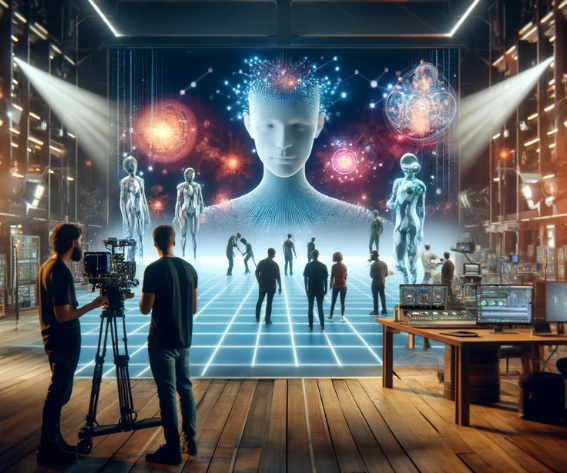
Artificial intelligence is no longer a future concept. It is now a real part of filmmaking. From idea development to final release, AI in films is shaping how directors, editors, and actors work. Many people are asking how is AI used in movies and what this means for creativity. Others worry about how does AI affect actors as new tools reshape performance and casting.
Scriptwriting and Story Planning with AI
Early stages of production are now powered by AI tools that help writers create stories faster. These systems can review thousands of movie scripts, spot patterns, and suggest stronger plot points. This is one of the most common ways of how is AI used in movies during pre-production.
AI tools like script analyzers can check pacing, emotional tone, and character interactions. Some filmmakers even use predictive systems to test audience reactions before shooting starts. To make writing more structured, some use platforms like ai paper writer to explore ideas or organize content in a structured way without replacing creativity.
Writers still make final decisions, but AI gives them new data, and helps save time on research or rewriting. This is what makes this new technology in the film industry helpful rather than threatening.
Pre-Production: Casting, Budgeting, and Scheduling
AI helps directors choose actors by analysing facial expressions, past performances, and audience responses. This is how AI in films changes casting choices. It can even predict how well two actors will work together on screen.
Here is a short list of how AI supports pre-production:
- Predicts box office success based on storyline, cast, and genre
- Creates digital storyboards from written scripts
- Estimates filming costs and schedules automatically
- Matches filming locations based on scene descriptions
This new technology in the film industry allows producers to make smarter decisions with fewer delays.
Special Effects and Post-Production
One of the biggest answers to how is AI used in movies lies in post-production. AI tools can remove background noise, colour correct scenes, and track motion without manual effort. In editing rooms, AI can scan hours of footage and pick the best takes automatically.
In visual effects, AI drives de-ageing techniques, face swaps, and realistic CGI. Films like The Irishman and Star Wars used AI to bring younger versions of actors to life or recreate actors who are no longer alive. This raises new questions, such as how does AI affect actors when digital doubles replace physical presence.
Acting and Digital Performances
Actors now share space with digital versions of themselves. AI-powered motion capture can copy facial expressions with high accuracy. This reduces the need for heavy makeup or prosthetics.
But how does AI affect actors beyond visuals? Some concerns include:
- AI-generated voices matching real actors
- Contracts allowing studios to reuse an actor’s digital face
- Extras being replaced by AI-generated background characters
- Reduced need for retakes due to automated performance correction
While these changes save time and money, many actors argue that their identity and creative input must be protected.
Marketing and Audience Predictions
Studios use AI to understand what viewers want to watch. AI in films is not just about making movies, but also about selling them. Algorithms track social media behaviour and streaming records to help studios choose the best release dates and marketing strategies.
AI can also generate personalised movie trailers based on individual interests. This new technology in the film industry means promotion is now both faster and more accurate.
Benefits and Risks of AI in Filmmaking
| Aspect | Positive Impact | Possible Risk |
| Scriptwriting | Faster editing and story feedback | Over-reliance on data instead of creativity |
| Visual Effects | More realistic CGI and faster production | Loss of human-specific creativity |
| Acting | Digital doubles and performance preservation | Raises issues on how does AI affect actors |
| Marketing | Accurate predictions and targeted campaigns | Reduced privacy for viewers |
| Jobs | New roles in AI design and supervision | Some traditional roles may disappear |
Ethics and the Future of AI in Films
As AI becomes more common, ethical rules must be clear. Actors want legal protection for their digital likeness. Writers want credit when AI helps with scripts. Audiences want real emotion, not just perfect visuals.
Studios must be transparent about how is AI used in movies and how does AI affect actors. Many film unions already demand that actors must agree before their digital double is used.
Final Thoughts
AI in films is not replacing creativity. Instead, it changes how stories are written, performed, and shared. Those who learn to work with AI, not against it, will shape the future of cinema. The key is balance — using new technology in the film industry while keeping human emotion at the centre of every story.
You may also like:




Leave a reply