
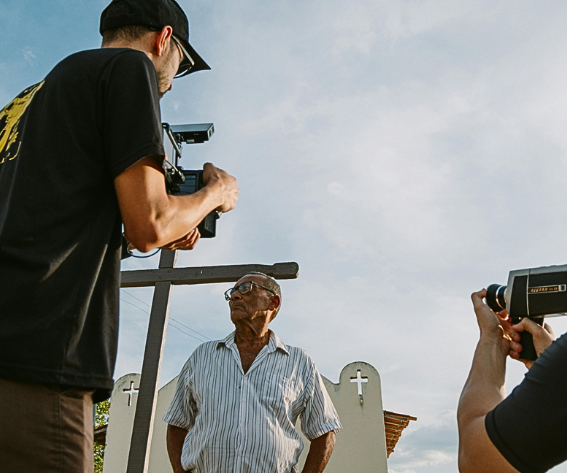
Have you ever wondered why filmmakers cross oceans, climb mountains, or live in small villages just to tell one story? In a world where we can film almost anything on a studio set, many creators still choose to travel far from home to capture local voices. It’s not just about pretty views or new backdrops. It’s about truth. It’s about feeling the rhythm of a place, hearing its real sounds, and meeting the people who live the story every day.
When filmmakers step into a community, they see details no script alone can give. They find heart, culture, and emotion that can’t be copied. And that’s what turns a simple story into something powerful and real.
The Authenticity Revolution in Global Storytelling in Film
Modern viewers? They’ve developed razor-sharp instincts for fakery. Those westernized, sanitized stories that smooth over cultural details for mass appeal? Audiences scroll right past them now.
Audiences Demand Raw, Unfiltered Cultural Narratives
The numbers tell a fascinating story. Even student groups like Buzz Studios produce about a dozen short films per year, and they succeed precisely because they chase genuine storytelling.
Think about “Parasite” and “Roma”, these films didn’t dilute their cultural specificity. They leaned into it hard, and both dominated worldwide box offices. Audiences don’t want watered-down versions anymore. They want the real deal.
The Death of Cultural Tourism in Filmmaking
Here’s what doesn’t work: flying into a location, shooting for a week, then leaving. Telling local stories demands way more than that surface-level approach. Today’s sophisticated viewers have consumed enough global content to spot shallow storytelling instantly. You need to actually embed yourself in communities.
Learn the unstated social codes. Understand the rhythms of daily life that make each culture distinct. Yes, building trust with local storytellers eats up time and resources. But there’s literally no other pathway to stories worth sharing.
Production teams working internationally face practical challenges too. You need consistent connectivity for collaborating remotely and uploading dailies in real-time. That’s why many traveling filmmakers now depend on an international sim card to stay connected with production teams, access cloud storage anywhere, and handle cross-border logistics without getting crushed by roaming fees. This isn’t a luxury, it’s what keeps extended shoots in isolated locations running smoothly.
Cultural Immersion: The Foundation of Capturing Local Cultures on Film
Pointing a camera at a culture doesn’t mean you understand it. Real documentary work means living the story first, filming second.
Living Within the Story Before Filming It
Authentic storytelling requires commitment measured in months, sometimes years. You simply cannot grasp a community’s daily struggles, their celebrations, their unspoken truths without serious time investment. Learning the language and customs isn’t something you check off a list, it’s foundational to showing respect. The relationships you build go deeper than what ends up on screen. That trust becomes visible in every single frame you capture.
The Documentary Filmmaker’s Approach to Local Integration
Documentary makers employ participant observation, essentially becoming temporary community members. The ethical dimensions of international documentary filmmaking get complicated fast. You’re juggling privacy concerns, informed consent, and making absolutely certain subjects understand how you’ll use their stories. Best practices mean giving communities actual editorial input and sharing benefits when projects succeed.
This immersive methodology separates forgettable documentaries from ones people remember years later. It’s the difference between audiences staying engaged versus clicking away after thirty seconds.
Economic and Creative Advantages of International Documentary Filmmaking
Look, ethics and authenticity matter tremendously. But practical realities also drive filmmakers toward international stories. The creative and economic benefits are substantial.
Untapped Stories in Emerging Markets
Underrepresented narratives exist absolutely everywhere. Consider this: 67 production teams submitted applications to Indonesia’s Shorts Up 2025 program. That’s serious demand for platforms elevating Southeast Asian voices. Indonesia’s film industry has exploded over the past two decades, creating genuine opportunities for documentarians smart enough to recognize emerging markets’ potential. Film festivals increasingly prioritize geographically diverse content, expanding distribution channels for authentic local stories.
Cost Efficiency in Global Production
Production budgets vary wildly depending on location. Some regions offer massive cost advantages compared to established film hubs. International grants and co-production deals unlock funding that simply wouldn’t exist for domestic projects. Tax incentives in certain countries can literally make or break whether your project gets funded.
True, traveling to different countries means fluctuating production costs that can be hard to predict. But smart planning and local partnerships help you navigate these variables. The creative freedom you gain in less saturated markets usually outweighs financial uncertainties.
Distribution Success: The Market Value of Authentic International Content
Creating powerful international content is just half the equation. Getting it in front of audiences who’ll appreciate it? That determines everything.
Streaming Platforms’ Appetite for Global Stories
Netflix, Amazon, and Disney+ have made global storytelling in film absolutely central to their acquisition strategies. They’re aggressively seeking content from diverse regions because subscribers demand stories reflecting our connected world. Travel documentaries have particularly thrived, some triggering massive tourism spikes, like what happened at Machu Picchu after renowned travel documentaries showcased it. International documentaries regularly steal the spotlight at festival acquisitions.
Building Global Audiences Through Local Authenticity
Social media strategy for international content requires understanding how stories cross cultural boundaries. Subtitling and dubbing aren’t minor details, they’re absolutely essential to cross-cultural marketing. The smartest filmmakers approach distribution as creatively as production, finding innovative ways to connect hyper-local stories with global viewers who’ll value their uniqueness.
Final Thoughts on Global Documentary Work
Filmmakers travel the world for local stories because authenticity cannot be manufactured. Capturing local cultures on film opens untapped creative possibilities, economic advantages, and opportunities for genuine cross-cultural understanding.
As audiences grow more discerning and platforms expand globally, the filmmakers who’ll thrive are those investing time, respect, and resources into communities beyond familiar borders. Yes, international documentary filmmaking carries significant responsibility.
But the potential rewards? Creating work that genuinely matters, work preserving voices, challenging assumptions, and reminding us that every community holds stories worth telling.
Common Questions About International Filmmaking
- Why are local films important to people?
Local films offer windows into culture, traditions, and stories tied to specific regions or communities. They create platforms for local voices and share stories that might otherwise never reach broader audiences. - Do film directors travel a lot?
Film directors regularly work marathon hours outdoors, dealing with heat, cold, rain, and snow. Extensive travel significantly disrupts normal working conditions, with production days sometimes stretching beyond 20 full hours across various worldwide locations. - How do filmmakers fund international projects?
Filmmakers piece together funding through international grants, crowdfunding platforms, co-production partnerships, NGO collaborations, and corporate sponsorships. Most combine multiple sources to support projects requiring extended international production periods and deep cultural immersion.
You may also like:






Leave a reply