
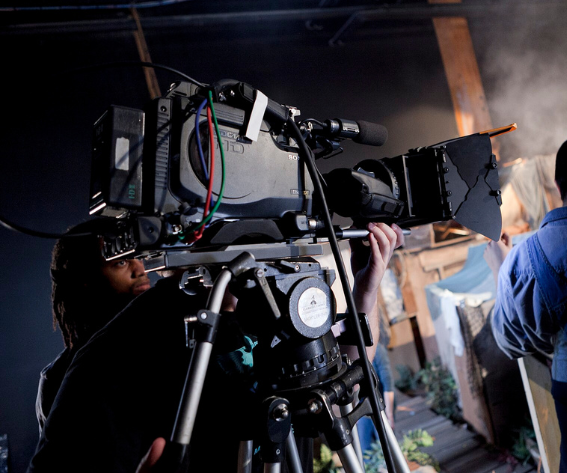
Film and digital entertainment may seem like separate worlds, but they often rely on the same basic principles. A strong opening, clear pacing, visual atmosphere, emotional tension, and a memorable sense of progression all shape the way audiences respond to a story or experience. Whether someone is watching an independent film, playing a narrative game, or exploring a casual online platform, engagement rarely happens by accident.
Cinema has spent more than a century refining the art of attention. Directors use framing, lighting, music, editing, and performance to guide viewers through a sequence of emotions. Digital entertainment uses different tools, but the goal is often similar: create an experience that feels coherent, rewarding, and easy to follow.
This connection is especially visible in casual online entertainment, where design must communicate quickly and clearly. When people compare formats or discuss what makes the best online social casino engaging, the conversation is not only about games themselves, but also about presentation, pacing, visual clarity, and the way interactive systems borrow techniques from broader entertainment culture.
Visual Design Sets the Tone
In film, the first few moments can tell viewers what kind of world they are entering. Color, composition, sound, and movement create expectations before a character says a word. The same is true in digital entertainment. A user interface, opening animation, or game environment can immediately suggest whether an experience is playful, dramatic, fast-paced, relaxed, or nostalgic.
Good visual design does not simply decorate an experience. It gives users orientation. It helps them understand where to look, what matters, and how to move through the next step. This is why many successful digital platforms borrow from cinematic language: contrast, rhythm, transitions, and carefully timed visual cues.
For filmmakers and designers alike, style works best when it supports clarity. A visually rich experience can be memorable, but if it becomes confusing, the audience may disengage. The balance between atmosphere and usability is central to both film and interactive media.
Pacing Creates Engagement
Editing is one of cinema’s most powerful tools. A scene can feel tense, calm, chaotic, or reflective depending on how it is paced. Long takes invite observation, while quick cuts can create urgency. This sense of rhythm shapes how viewers experience time.
Interactive entertainment also depends on pacing. Users need moments of action, feedback, anticipation, and pause. If an experience moves too slowly, attention may fade. If it moves too quickly, it can become overwhelming. Strong pacing gives users enough time to understand what is happening while maintaining interest.
This is particularly important in casual entertainment, where people may engage for short periods. The experience needs to be accessible without feeling empty. Like a well-edited short film, it must create a sense of flow quickly and efficiently.
Sound and Feedback Shape Emotion
Sound is often underestimated, but it plays a major role in how audiences interpret what they see. In film, music can build suspense, soften a scene, or signal a shift in mood. Small audio details can make a setting feel alive and believable.
In digital entertainment, feedback serves a similar function. Sounds, animations, visual confirmations, and transitions help users understand that an action has taken place. This feedback gives weight to interaction. Without it, even a well-designed interface can feel flat or disconnected.
The strongest experiences use feedback carefully. Too much sound or motion can feel intrusive, while too little can make an experience less engaging. The goal is to support attention without overwhelming the user.
Responsible Entertainment Matters
As digital entertainment becomes more immersive, responsible design becomes increasingly important. Platforms should be clear about how experiences work, what users can expect, and where limits should be observed. This is especially true for chance-based formats, where outcomes are uncertain and users should approach participation as entertainment rather than as a financial strategy.
Film also teaches an important lesson here: powerful experiences carry responsibility. A story can influence emotion, attention, and perception. Interactive platforms can do the same. Good design should respect the audience by being transparent, understandable, and balanced.
For users, the healthiest approach is to treat digital entertainment as one part of leisure time. Enjoyment is strongest when it remains moderate, informed, and connected to personal limits.
Conclusion
Film and interactive entertainment share more than many people realize. Both depend on atmosphere, pacing, feedback, structure, and emotional rhythm. As digital platforms continue to evolve, the influence of cinematic storytelling will remain important.
The most effective entertainment experiences are not only visually appealing or technically smooth. They are clear, balanced, and thoughtfully designed. Whether on screen or through interaction, good design helps audiences stay engaged while understanding the experience in front of them.
Image source: Vancouver Film School
You may also like:






Leave a reply