

Image source: Screenshot from Squid Game (2021)
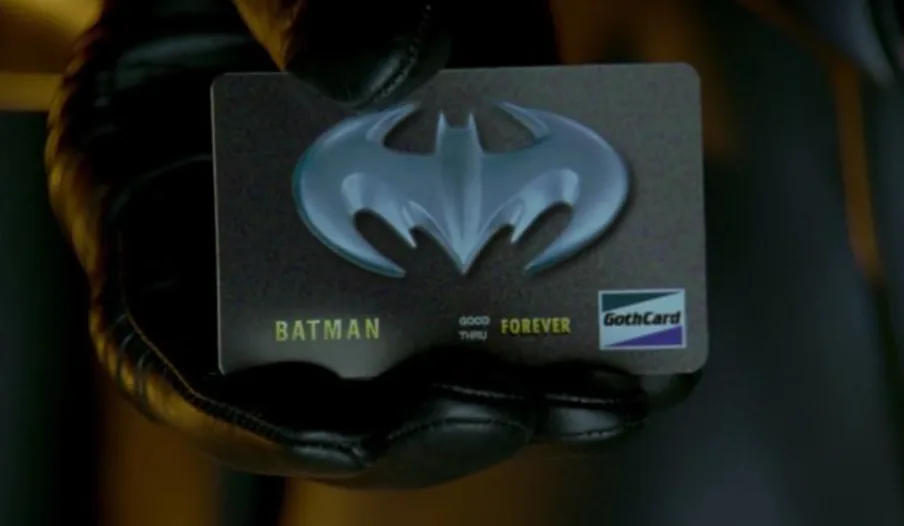
Cash has weight. You can count it, stuff it into a bag, or watch it burn.
Digital money has none of that.
A bank balance or prepaid voucher is just a figure on a screen, and audiences don’t feel figures; they feel what those figures do to people.
What do filmmakers do to make on-screen payments land and help us feel that money real? Below are six steps to reveal this secret.
1: Define What the Money Means Before You Show It
Before a balance appears, the audience should know what the character stands to lose. Five hundred dollars means nothing in the abstract; five hundred dollars that keeps the lights on means everything.
How to do it:
- Finish the sentence “If this money disappears, the character will lose…” before writing the scene. Keep the answer concrete: a home, a surgery, custody, a way out.
- Set up the stakes with objects, not dialogue: a late notice, an ignored call from a lender, a worried glance at a phone.
Movie example: Squid Game (2021). Gi-hun’s debts are established long before the games begin. The prize is a giant glass piggy bank hanging above the dormitory, filling with banknotes each time a player is eliminated. An abstract sum becomes something viewers can stare at.

2: Choose a Payment Method That Tells the Story
Every payment method carries meaning. Cash can be counted, hidden or stolen. A banking app suggests stability. A prepaid voucher signals a hard limit:
Once the code is spent, it’s gone.
How to do it:
- Match the method to the character: a gambler topping up with a voucher reads differently from one wiring funds from a private bank.
- Research the real interface: how deposits appear, what a confirmation screen says, how long a transfer takes.
Movie example: Casino Royale (2006). The tournament’s millions move between accounts electronically, but at the table they become stacks of chips that can be pushed all-in. The transfer is invisible; the chips make it physical.
For gambling scenes, real payment flows are a valuable reference. The overview of online casinos that accept Paysafecard at https://pl.polskiesloty.com/kasyno-online-paysafecard/ explains how players buy a 16-digit prepaid voucher, fund a casino account with it, and deposit without sharing card details. The code entry field, voucher limits and transaction history give production designers an accurate blueprint for screen inserts.

3: Show One Number, Not Twenty
Too many figures, account IDs and bank reference numbers drown the point. Viewers can hold one number in their heads.
How to do it:
- Limit each screen insert to a single key element: a balance, a declined payment or a confirmation.
- Translate complex concepts into human moments, not spreadsheets.
Movie example: The Big Short (2015). Instead of charts, the film hands jargon to celebrity cameos, most famously Margot Robbie explaining subprime mortgages from a bubble bath. One clear idea per scene.

4: Turn Numbers Into Physical Consequences
A balance only matters when it changes what a character can do. Seeing $200 where $2,000 should be tells us they’re short; watching them put groceries back at the checkout makes us feel it.
How to do it:
- Follow every important transaction with a visible result: a cancelled trip, a play-and-win (or lose) in online games on platforms like kasyno Vulkan Vegas, a returned gift, a new car outside.
- Use transaction histories as evidence that reveals character.
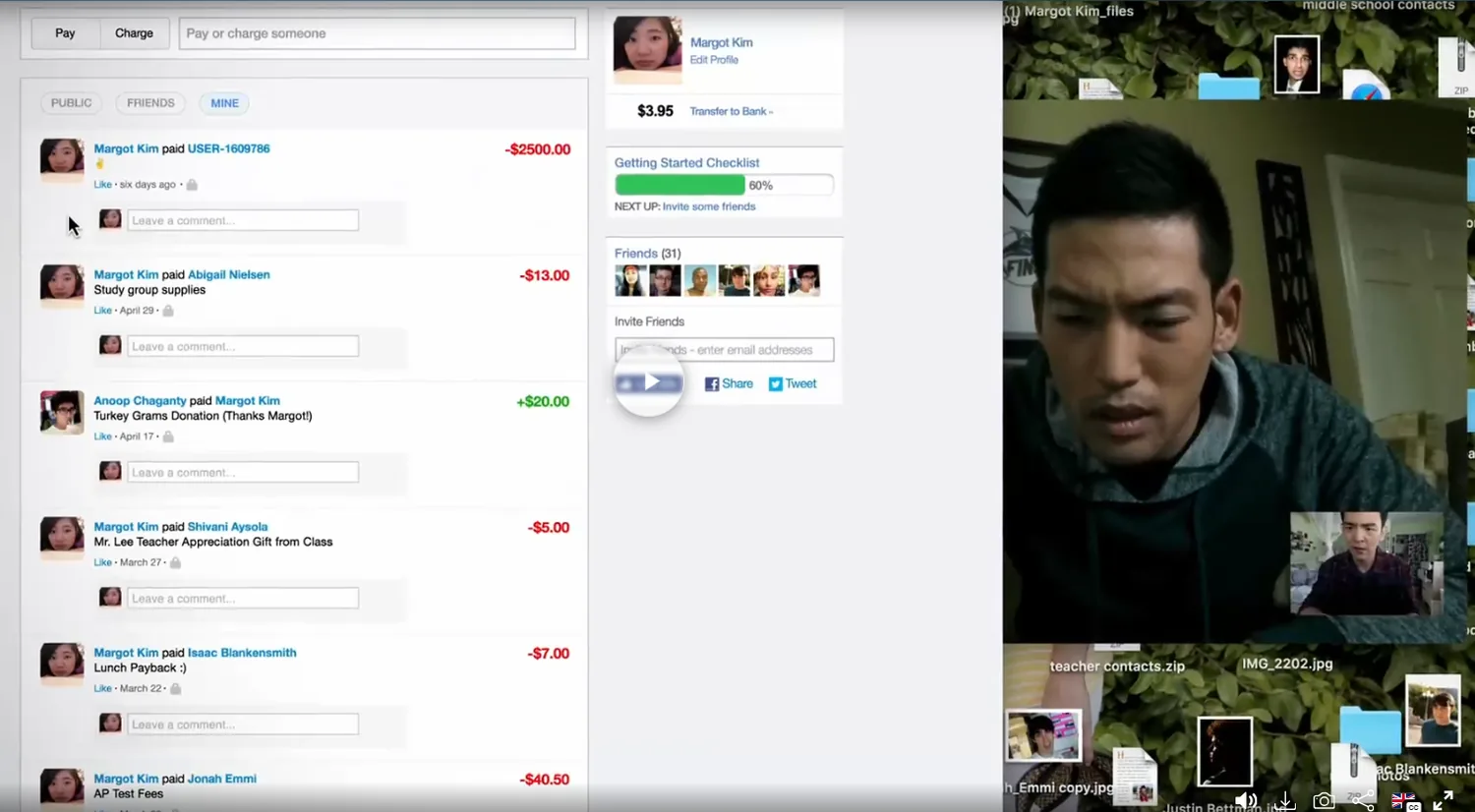
Movie example: Searching (2018). Combing through his missing daughter’s laptop, a father discovers through her Venmo history that the money meant for piano lessons, which she had quietly quit months earlier, was going somewhere else entirely. A list of payments becomes a plot twist.
5: Give Actors Something Physical to Do
A character staring at a phone is not a scene. Small, physical actions turn screen time into performance.
How to do it:
- Block specific actions: refreshing the app again and again, angling the screen away from someone, a thumb hovering over the “Pay” button.
- Discuss the inner state with the actor: are they expecting good news, suspecting the money is gone, or hiding the balance from someone?
Movie example: Dumb Money (2023). Much of the drama plays out on phones as everyday investors watch their GameStop positions swing. The tension lives in faces: a nurse doing the math between shifts, two students debating whether to cash out.

6: Let Sound and Silence Do the Work
Sound effects such as a payment ping or a rejected-transaction buzz add texture to digital scenes. Use them sparingly; a loud alert on every balance check gets old fast.
How to do it:
- Reserve distinct sounds for turning points: the approval, the decline, the final confirmation.
- Strip the audio back while a payment is pending. In a silent room, three seconds feel like a minute.
- Let the score carry the emotion without spelling it out.
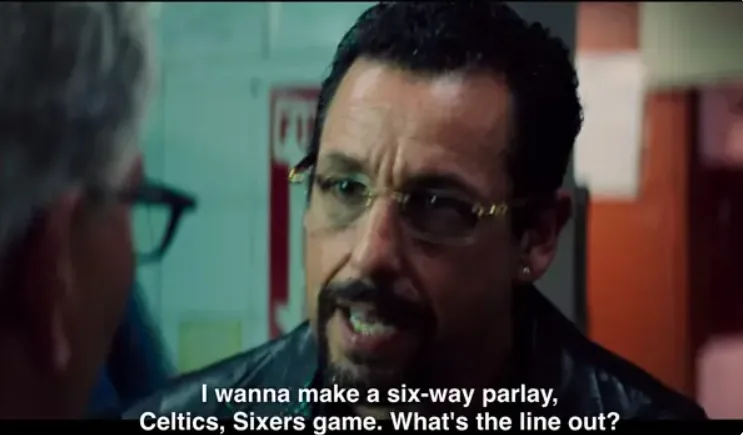
Movie example: Uncut Gems (2019). Howard’s world runs on calls and shuffled debts, yet Daniel Lopatin’s pulsing score and constant ringing phones make every wager feel dangerous.
Quick Checklist Before You Shoot
- Stakes: Does the audience know what this money means?
- Method: Does the payment type fit the character?
- Clarity: Is there one clear number per insert?
- Consequence: Does the transaction change something we can see?
- Performance: Does the actor have a physical task?
- Sound: Is every audio cue earning its place?
Get those six right, and a number on a screen stops being a number. It becomes rent, freedom, a second chance, or a disaster waiting to happen.



Comments
No comments yet. Be the first to share what you thought.