
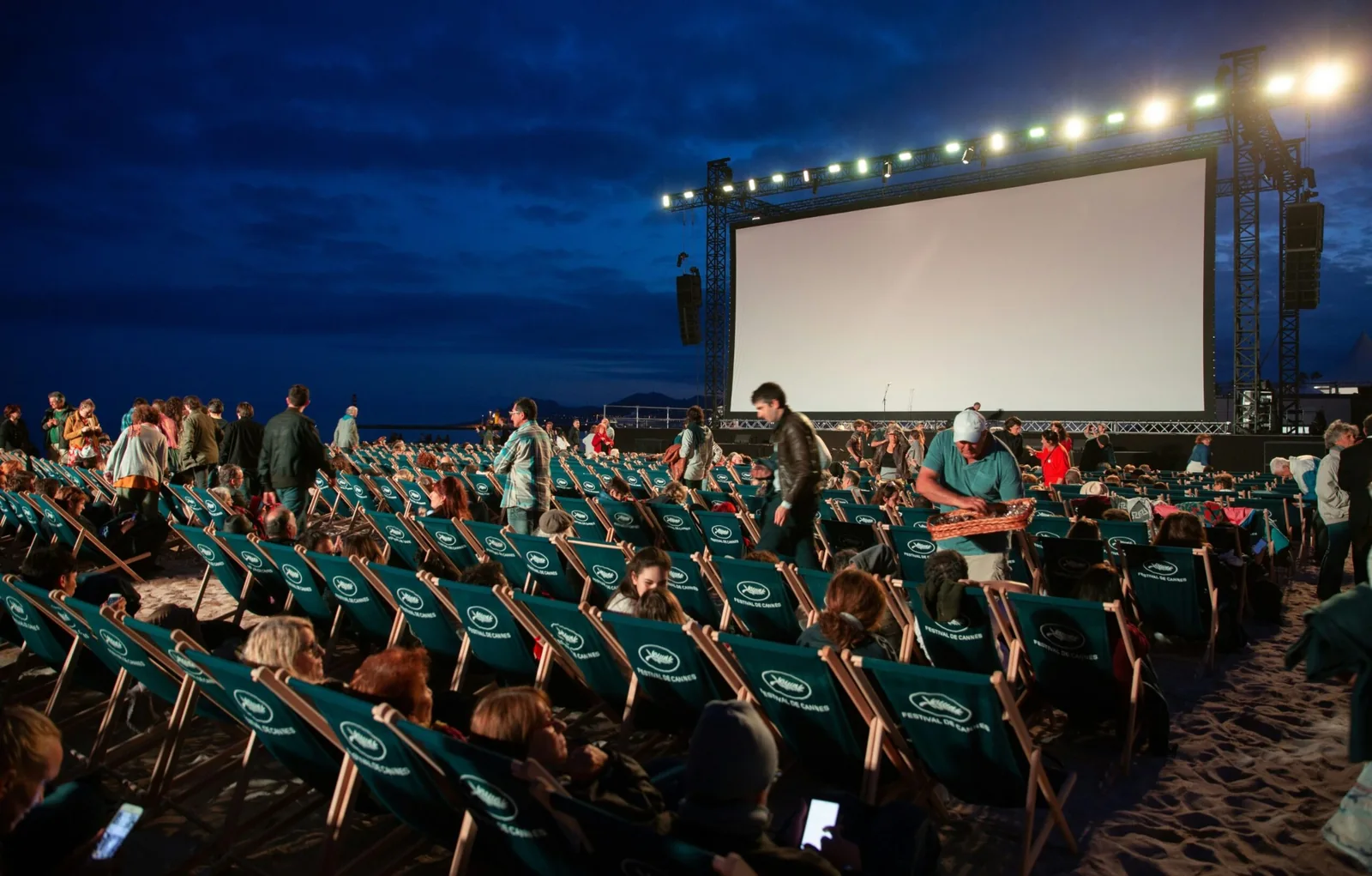
Image credit: Festival de Cannes
Organizing a film festival involves far more than selecting films and arranging screenings. Behind every successful event is a demanding process of reviewing submissions, coordinating with filmmakers, preparing promotional materials, managing screening schedules, and creating an experience that connects audiences with cinema. For independent festivals working with limited budgets and small teams, balancing these responsibilities can be particularly challenging, especially as programs expand and expectations around communication and digital accessibility continue to grow.
While artistic vision remains at the heart of every festival, technology is increasingly helping organizers manage the operational side of their events. From film catalog management to promotional content and administrative coordination, digital tools, including AI-assisted systems, can reduce repetitive work and allow festival teams to focus more attention on programming, filmmaker relationships, and audience engagement.
The Work Behind a Successful Film Festival
Long before audiences arrive for opening night, festival organizers are managing hundreds of details that contribute to the event's overall identity. Programming teams review films across different genres, languages, and formats, while communications departments coordinate filmmaker interviews, press announcements, screening guides, and promotional campaigns.
A festival featuring several hundred short films and feature-length productions may need to maintain accurate information about directors, production countries, runtimes, subtitles, premiere statuses, and screening locations, often across multiple platforms. Keeping these details consistent becomes especially demanding when schedules change or new films are added close to the event.
Digital systems can simplify these processes by organizing submissions, standardizing film information, and supporting the preparation of festival catalogs. However, the distinction between administrative efficiency and artistic decision-making remains essential, as the creative identity of a festival depends on human judgment rather than automated recommendations.
Film Programming and the Importance of Human Curation
Film selection is one of the most influential aspects of any festival, shaping not only the screening schedule but also the event's cultural relevance and reputation among filmmakers and audiences.
Programmers consider storytelling, originality, artistic direction, and how individual productions contribute to a wider program. A documentary exploring social change, for example, may complement a filmmaker discussion, while an experimental short could introduce audiences to emerging cinematic techniques.
Although technology can help classify submissions by genre, duration, language, or production country, it cannot fully interpret a film's emotional impact or cultural significance. This is why the strongest festival workflows use digital tools to support organization while leaving final programming decisions to experienced curators who understand the event's artistic mission.
A Tiered Approach to Film Festival Workflows
Not every task involved in organizing a film festival requires the same level of attention, technology, or financial investment. Dividing responsibilities into tiers can help organizers allocate resources more effectively without compromising the quality of their programming or public-facing materials.
| Tier | Film festival tasks | Recommended approach |
|---|---|---|
| Tier 1: Routine administration | Organizing submissions, formatting film credits, tagging genres, updating catalog information | Use efficient, lower-cost digital tools with basic accuracy checks |
| Tier 2: Editorial and promotional work | Drafting film descriptions, preparing newsletters, adapting social media content, summarizing interviews | Combine more capable tools with editorial review |
| Tier 3: Creative and strategic decisions | Selecting films, developing festival themes, writing official statements, managing sensitive filmmaker communications | Prioritize human expertise, supported by technology where appropriate |
This approach is particularly relevant when festivals use AI-assisted tools to handle large volumes of information. A lightweight model may be sufficient for standardizing film metadata, whereas more complex editorial tasks may benefit from a more capable system and closer human supervision.
For organizers evaluating different technology options, a comparison of DeepSeek V4.1 Flash vs DeepSeek V4 Pro illustrates how AI models can be assessed according to cost and capabilities, helping teams determine which solutions are appropriate for different responsibilities.
The purpose of tiering is not to automate the festival experience, but to avoid dedicating unnecessary resources to repetitive tasks while protecting the time and expertise needed for meaningful creative decisions.
Film Festival Promotion and Audience Engagement
Beyond programming, promoting a festival effectively requires a consistent editorial identity and an understanding of the audiences each event hopes to attract. Film descriptions, filmmaker interviews, trailers, social media announcements, and festival newsletters all contribute to building anticipation and encouraging audiences to explore unfamiliar productions.
For smaller festivals, preparing these materials can take considerable time, particularly when the same information needs to be adapted for websites, printed programs, press releases, and social platforms. Digital writing and content-management tools can help transform approved film information into different formats, allowing communications teams to maintain consistency while concentrating on more creative storytelling.
However, promotional materials still require careful editorial oversight, since an inaccurate synopsis, misleading description, or incorrectly attributed filmmaker quote can undermine the festival's credibility. The most effective campaigns combine practical digital assistance with authentic insights into the films, filmmakers, and cultural conversations that make the program distinctive.
Managing Budgets Without Compromising Artistic Quality
Independent festivals frequently face difficult financial decisions, with venue rentals, screening equipment, guest accommodation, marketing, licensing, and technical production competing for limited funding. Investing in digital tools can sometimes reduce operational costs, but only when those tools address genuine organizational needs rather than introducing additional complexity.
A festival might reasonably automate routine catalog formatting while allocating more resources to screening quality, filmmaker travel, accessibility, or audience discussions. Similarly, preparing administrative tasks in batches and selecting cost-efficient software for repetitive operations can help teams preserve funding for activities that directly improve the festival experience.
Ultimately, the value of any technological investment should be measured not only by financial savings but also by how much time it returns to festival staff and whether it supports the event's broader cultural objectives.
Preserving the Human Experience of Cinema
Despite the growing role of digital platforms in festival organization, the defining appeal of film festivals remains the opportunity to experience cinema collectively. Premieres, director Q&A sessions, industry discussions, and informal conversations between filmmakers and audiences create connections that extend well beyond individual screenings.
Technology can make these experiences more accessible through better scheduling information, digital catalogs, online ticketing, and communication tools, but it should remain secondary to the artistic exchange taking place on screen and within the festival community.
For emerging filmmakers in particular, festivals offer visibility, professional connections, and opportunities to introduce their work to audiences who might never encounter it through mainstream distribution channels.
Conclusion
The future of film festivals will increasingly involve a balance between creative programming and efficient digital organization, particularly as independent events seek to expand their reach while operating within limited budgets.
By adopting a tiered approach to administrative, editorial, and creative responsibilities, festival teams can use technology where it provides genuine value without losing the human perspective that makes cinema meaningful. The goal is not simply to organize festivals more efficiently, but to create more space for discovering new voices, supporting filmmakers, and bringing audiences together through film.


Comments
No comments yet. Be the first to share what you thought.