
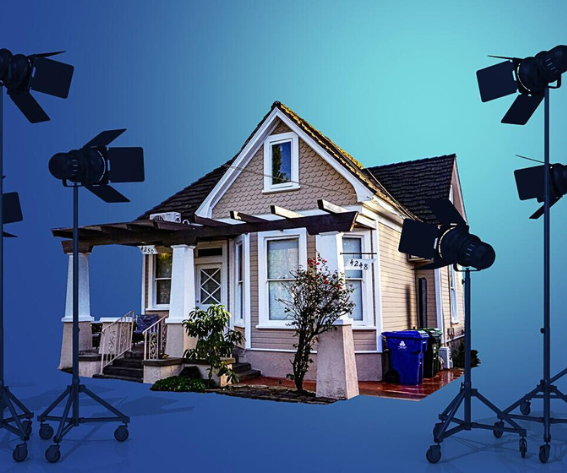
Filming in public spaces without permits is a topic that often sparks debate among independent filmmakers, students, and even seasoned professionals. Public locations offer realism, natural lighting, and a sense of authenticity that studio sets sometimes fail to replicate. However, the freedom of public filming comes with a complex mix of ethical concerns, legal risks, and creative decision making. Understanding the balance between artistic expression and social responsibility is crucial for anyone who wants to shoot outside controlled environments.
Legal Considerations and Local Regulations
The first issue to consider is legality. Different countries, cities, and even neighborhoods have varying rules about filming in public. In some places, handheld cameras used by individuals may be tolerated, while tripods, lighting setups, or large crews immediately attract official attention. Filmmakers often assume that public space equals free space, but that assumption can lead to fines, equipment confiscation, or forced shutdowns. Researching local regulations before filming is one of the simplest ways to avoid serious trouble.
Respecting Privacy and Ethical Boundaries
Ethics play an equally important role. Even if filming is technically allowed, capturing people without their consent raises privacy concerns. Faces, license plates, and personal conversations can unintentionally end up in footage. Responsible filmmakers blur identities, ask permission when possible, and remain respectful when someone declines to be recorded. Ethical awareness not only protects subjects but also strengthens a filmmaker’s reputation and professional credibility.
Safety in Uncontrolled Environments
Another key factor is safety. Shooting in public areas introduces unpredictable elements such as traffic, crowds, weather, and security interventions. A scene that appears harmless on paper might become risky when executed in a busy street or transit station. Filmmakers must consider pedestrian flow, emergency access, and potential misunderstandings with law enforcement. Planning escape routes, minimizing gear, and keeping a small crew can significantly reduce hazards.
Budget Constraints and Smart Location Choices
Budget constraints are one of the main reasons creators choose permit free filming. Independent projects often lack funds for location fees or insurance coverage. While financial limitations are understandable, cutting corners without preparation can end up costing more if penalties occur. A smart approach is to identify locations that naturally resemble the intended setting but are less regulated, such as parks, private properties with permission, or quiet suburban streets.
Creative Workarounds That Enhance Style
Creative workarounds can transform restrictions into opportunities. Using natural light, smaller cameras, and minimal audio equipment allows filmmakers to blend into the environment. Smartphones and mirrorless cameras have made discreet filming more achievable than ever. Additionally, shooting during early morning hours or off peak times reduces interruptions and crowd control challenges. Creativity in logistics often leads to unique visual styles that distinguish a project from mainstream productions.
Building Community Cooperation
Collaboration with local communities is another overlooked strategy. Speaking with shop owners, neighborhood associations, or building managers can open doors that formal permits might complicate. People are often supportive of artistic endeavors when approached respectfully. Even informal agreements can provide a sense of legitimacy and reduce the risk of complaints or misunderstandings. Building goodwill also encourages future access to interesting locations.
Risk Awareness and Decision Making
Interestingly, the mindset behind creative risk management in filmmaking is not unlike how people explore opportunities online, whether it is searching for inspiration or trying out a free credit casino in their spare time. The key similarity lies in evaluating risk versus reward and understanding the rules of the space you are entering. Filmmakers who apply careful judgment and awareness are more likely to succeed without unnecessary consequences.
Managing Sound Challenges in Public
Sound recording presents its own challenges in public filming. Ambient noise, unexpected conversations, and traffic can disrupt dialogue clarity. Many creators choose to record dialogue separately or rely heavily on post production sound design. Using lavalier microphones hidden under clothing or directional microphones with wind protection can significantly improve audio quality while maintaining a low profile.
The Power of Post Production
Post production also becomes a powerful tool when permits are absent. Visual effects, color grading, and strategic editing can mask unwanted elements or enhance the illusion of a controlled set. Cropping frames, blurring backgrounds, and adding artificial soundscapes can transform chaotic footage into polished scenes. Filmmakers who master editing often compensate for limitations encountered during shooting.
Learning from Independent Film History
Despite the risks, many iconic independent films have relied on public spaces without extensive permissions. The common thread among successful projects is preparation rather than recklessness. Knowing the story’s priorities allows creators to adapt quickly when circumstances change. Flexibility, patience, and strong communication among crew members often determine whether a shoot ends smoothly or spirals into conflict.
Ultimately, filming in public without permits is neither entirely wrong nor entirely safe. It exists in a gray area shaped by laws, ethics, and practical considerations. The smartest filmmakers treat public spaces with respect, minimize disruption, and stay informed about regulations. Just as people carefully compare options when browsing the best online casino Singapore, creators should approach public filming with research and thoughtful decision making. When done responsibly, public shooting can yield authentic visuals and memorable storytelling without sacrificing integrity or safety.
You may also like:





Leave a reply