

Background actors are easy to overlook because their job is often to avoid becoming the focus. Yet they play a major role in shaping how a scene feels. Their posture, movement, timing, and reactions tell the audience whether a room is tense, relaxed, chaotic, awkward, or safe. The leads may carry the plot, but the people around them help define the emotional atmosphere in which that plot unfolds.
The Mood Beyond the Main Action
Consider a restaurant scene built around a difficult conversation. The same dialogue can feel romantic, uncomfortable, threatening, or comic depending on what is happening at nearby tables. Couples leaning toward each other may make the room feel intimate. A waiter crossing the frame too often can create nervous energy. Diners sitting unusually still can make the space feel eerie. None of these choices changes the script, but each one changes how the audience reads the silence between lines.
Strong background performances begin with behavior, not random movement. A person checking the door every few seconds creates anticipation. Someone laughing loudly while a main character receives bad news makes that character seem more isolated. A crowd that avoids looking at an argument may suggest fear, indifference, or social discomfort. Viewers may never consciously notice these details, but they still absorb them.
Building a Believable World
Casino scenes show how much background actors can contribute. Every table, slot machine, and walkway needs its own rhythm, with people watching cards, protecting chips, celebrating wins, or reacting to losses. WPD compares mobile poker apps by licensing, security, and real-money game selection, reflecting how players assess gambling platforms today. On screen, however, those practical considerations become physical behaviors that make the gambling floor appear active, competitive, and believable.
Specific direction is what separates convincing background action from empty motion. Telling fifty people to “act busy” often produces exaggerated nodding, fake laughter, and constant sipping. Giving each person a small objective works far better. One extra might be trying to get a bartender’s attention. Another might be hiding a losing ticket from a partner. Someone else may be waiting for a person who is late. These tiny goals create movement that feels purposeful rather than decorative.
Background actors also establish social rules. Who is allowed to move freely through a space? Who steps aside? Who watches whom? In a courthouse, hospital, nightclub, or corporate office, the behavior of the crowd reveals status before anyone explains it. A character who walks through a room without being acknowledged may seem powerless or invisible. A character whose arrival causes people to straighten their posture immediately gains authority without saying a word.
Controlling Pace and Tension
The background can affect the speed of a scene. A crowded corridor moving against the protagonist creates resistance and urgency. The same corridor, nearly empty, can slow the moment and build suspense. In comedy, a delayed reaction from someone behind the lead can extend a joke. In horror, a background figure who does not react at all may be more disturbing than someone who screams.
Directors can also use background movement to guide the viewer’s eye. A person crossing the frame can draw attention toward an important object or character. A group suddenly becoming still can signal that something has changed. The effect must remain subtle. When every extra reacts at once or moves with perfect synchronization, the scene can feel staged unless that artificiality is intentional.
Continuity is another major part of the craft. If a background actor crosses behind the lead at a different time in every take, the editor may struggle to cut between angles. If a group appears energetic in one shot and subdued in the next, the emotional logic of the space may collapse. Good background acting is repeatable without looking mechanical. The performer must preserve timing while keeping the behavior natural.
Small Details, Large Effects
Costume and props strengthen these performances. A commuter holding a cracked phone suggests a different life from one carrying a spotless briefcase. A half-finished drink can imply distraction. A coat left on indoors can suggest discomfort or a quick exit. These details work best when they support the actor’s behavior rather than simply decorate the frame.
The best background actors create the sense that every person entered the scene from somewhere and will continue living after the camera cuts. They do not compete with the leads or turn the shot into a collection of separate performances. Instead, they support the emotional logic of the world. Even a single glance, pause, or change in posture can quietly redirect the audience’s understanding of a dramatic moment.
When directors treat background action with the same care as lighting, sound, and production design, the result feels fuller and more truthful. Background actors may remain unnamed and unnoticed, but they help determine whether a scene feels alive. Their work is quiet, precise, and essential.
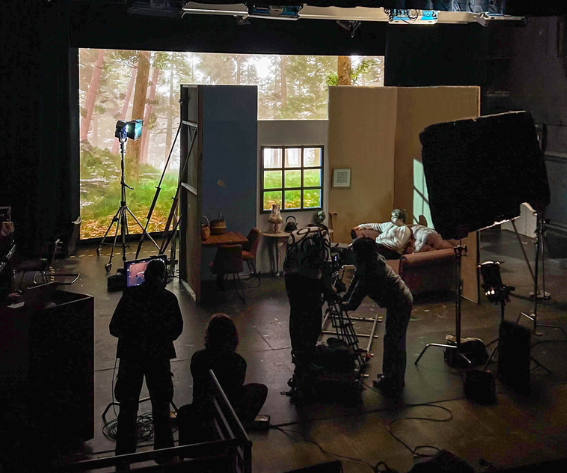
Image source: HBO
You may also like:






Leave a reply