
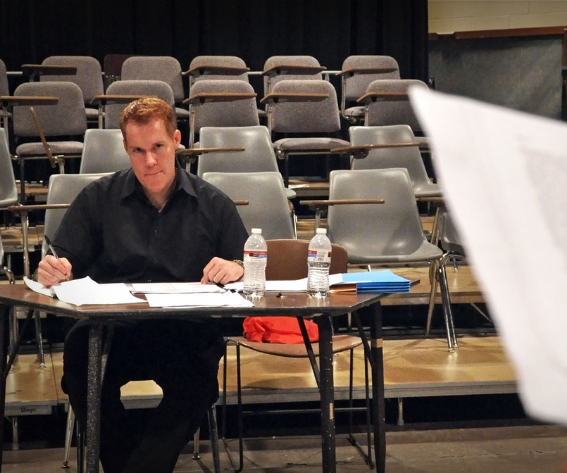
Working with non-actors can be one of the most rewarding parts of filmmaking. They often bring a natural honesty to the screen that trained performers sometimes have to work hard to recover. A non-actor may not know technical terms, marks, beats, or emotional objectives, but they may understand real life in a way that feels immediate and believable. The challenge for a filmmaker is not to turn them into professional actors overnight. The goal is to create an environment where they can behave truthfully in front of the camera.
The first step is casting for presence rather than polish. When choosing non-actors, do not look only for someone who can memorize lines or deliver dialogue clearly. Look for people who have an interesting face, a strong point of view, a natural rhythm, or a life experience close to the character. Sometimes the best performance comes from someone who does not seem to be “performing” at all. During auditions or informal meetings, talk to them like a person, not like a judge. Ask simple questions. Notice how they listen, how they react, and how comfortable they are with silence.
It also helps to understand what kind of emotional world your actor already lives in. A shy person may give you a beautifully restrained performance, while someone expressive may bring energy and unpredictability. In the same way that online personalities can feel oddly convincing, whether in a vlog, livestream, or even a search result for best ai girlfriend, audiences respond to behavior that feels specific rather than generic. Your job is to find what is specific about the person in front of you and shape the role around that truth.
Give Simple, Playable Direction
One of the biggest mistakes directors make with non-actors is over-explaining. Long speeches about theme, motivation, and symbolism can make them self-conscious. Instead, give clear, practical direction. Rather than saying, “You are devastated because this moment represents the collapse of your identity,” try saying, “Do not look at her yet. You are trying not to cry.” Simple actions are easier to play than abstract emotions. If you want sadness, give them something to do that creates sadness. If you want tension, give them a secret to hold.
Dialogue is another area where non-actors can struggle. Written lines often sound unnatural when spoken by someone without training. If possible, rehearse the dialogue casually and let them adjust certain words to fit their own speech patterns. This does not mean losing control of the script. It means protecting the emotional truth of the scene. A line that is slightly less elegant but completely believable is usually better than a perfect sentence delivered stiffly. Listen for what sounds real coming from their mouth.
Make Rehearsals Feel Natural
Rehearsals should feel like exploration, not testing. Many non-actors become nervous when they feel they are being watched too closely. Start with low-pressure exercises. Let them walk through the scene without cameras. Let them talk through what is happening in their own words. You can even rehearse around the scene instead of rehearsing the exact lines. For example, if the scene is about a breakup, ask the actors to improvise the conversation five minutes before the breakup begins. This helps them build emotional context without forcing the final scene too early.
On set, keep the atmosphere calm and focused. A non-actor can easily become overwhelmed by lights, crew members, microphones, and repeated takes. Limit unnecessary noise and movement around them. Introduce them to the crew so the environment feels less intimidating. Explain what each piece of equipment does in simple terms if they seem curious or nervous. The camera should not feel like a threat. The more comfortable they feel, the more natural their performance will be.
Use Feedback That Builds Confidence
When giving feedback, be careful with language. Avoid saying things like “That was wrong” or “Do it better.” These comments can make a non-actor freeze. Instead, redirect their attention. Say, “This time, try to hide what you are feeling,” or “This time, listen longer before you answer.” Good direction gives the actor something playable. It also keeps them inside the scene rather than making them think about whether they are good enough.
Another useful technique is to shoot longer takes. Non-actors often need time to settle into a moment. If you cut too quickly, you may miss the point when they stop acting and start simply existing. Let the camera roll a little before and after the scripted action. Some of the best moments may happen before the first line or after the scene is technically over. A glance, a breath, or an awkward pause can reveal more than dialogue.
Stay Open to Surprise
You should also be open to surprise. Non-actors may not give you the performance you imagined, but they may give you something better. They might react in a way that feels more truthful than your original plan. Instead of forcing them into a fixed idea, watch what they naturally offer. Directing is not only about control. It is also about recognition. When something honest appears, protect it.
Finally, remember that trust is the foundation of every good performance. Non-actors need to know that you are not trying to embarrass them or expose them unfairly. Be patient. Be specific. Give encouragement when they find something real. If a scene requires vulnerability, make sure they understand the purpose of the moment and feel safe performing it. A director who creates trust will always get more than a director who demands results.
Final Thoughts
Getting better performances from non-actors is less about technique and more about sensitivity. Cast people for who they are. Give them actions instead of theories. Let them speak naturally. Build a set where they can relax. Most importantly, pay attention to the truth they already carry. When you stop trying to make non-actors act, you often discover something far more powerful: people behaving honestly on screen.
You may also like:





Leave a reply