The Trailer as a Cultural Event
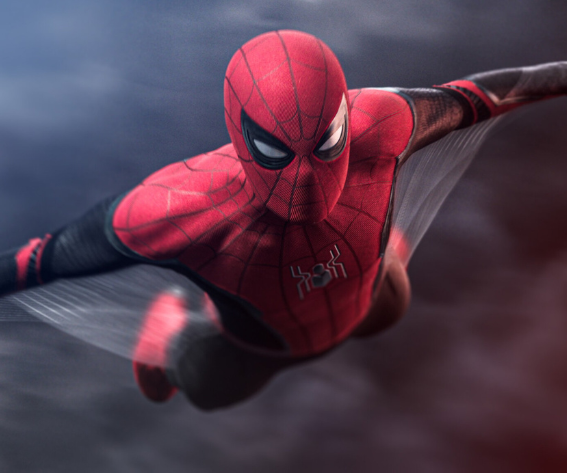
The new Spider-Man: Brand New Day trailer does not feel like a simple sequel tease. It feels like a reset with memory, a reminder that Marvel and Sony are trying to push Peter Parker into a different emotional register while still keeping the franchise’s mass appeal intact. The official trailer landed on March 18, 2026, and Marvel’s own synopsis makes it clear that the story picks up four years after No Way Home, with Peter now living entirely alone in a New York City that no longer knows his name. The studio also confirmed a July 31, 2026 theatrical release, while early reporting described the trailer as signaling a darker turn for the franchise.
That rollout mattered almost as much as the trailer itself. Marvel says the release began with small snippets across the day before Tom Holland unveiled the full trailer from atop the Empire State Building at sunrise, and the finished trailer then drew more than 718 million views in its first day. That kind of launch turns a movie preview into a cultural event, not just a marketing asset. In that sense, the viewing experience starts to resemble the logic of iddaa siteleri : people are not just consuming an outcome, they are trying to predict it, compare clues, and read meaning into every detail before the full picture is even clear.
A New Phase for Peter Parker
What the trailer says most clearly is that Peter Parker is no longer in the familiar “young hero trying to balance school and responsibility” phase. Marvel’s synopsis describes him as an adult who has voluntarily erased himself from the lives and memories of the people he loves, and the San Francisco Chronicle notes that the film opens with Peter living in near-total isolation, operating as a full-time Spider-Man in a city that does not know his identity.
That is a fundamental shift in tone. The character is still Spider-Man, but the emotional core is now about solitude, duty, and the price of survival rather than coming-of-age chaos.
A Darker Tone and Higher Stakes
That isolation is why the trailer feels darker than earlier Spider-Man films. Marvel’s synopsis says the pressure on Peter sparks “a surprising physical evolution” while he faces “one of the most powerful threats he has ever faced,” and the Chronicle also describes the trailer as signaling a darker turn.
The trailer no longer reads as a straightforward hero’s journey in a bright Marvel sandbox; it feels closer to a pressure cooker. Peter is not surrounded by a support system, and that means the movie can lean into consequences, obsession, and the possibility that Spider-Man’s strength is now tied to how much he can endure alone.
Expanding the Marvel Universe Around Spider-Man
The trailer also widens the frame around Peter rather than keeping him locked in a solo narrative. Marvel and the Chronicle both confirm the return of Mark Ruffalo’s Bruce Banner and Jon Bernthal’s Punisher, while the trailer also introduces Sadie Sink in a still-unknown role.
That combination matters because it tells us this is not just another street-level Spider-Man story, but a film positioned to bridge into the next Marvel phase, including the upcoming Avengers: Doomsday. In other words, the trailer suggests that Peter’s isolation is temporary, but the consequences of his past choices are now large enough to pull in bigger names, bigger threats, and a wider franchise architecture.
Hidden Details and Comic Inspirations
Another useful clue comes from the more detailed breakdowns of the trailer. Gizmodo describes the footage as being jam-packed with comic nods and possible story inspirations, which is important because it suggests the film is not just inventing a new Spider-Man on the fly; it is borrowing carefully from the character’s long history.
That matters for interpretation. When a trailer is full of visual hints and comic references, it usually means the studio wants viewers to read the film as both continuation and reinvention.
The Role of Fans and Digital Discussion
That is exactly why the reaction to the trailer has been so intense, and why fan discussion has become part of the trailer’s meaning. As people rewatch the footage, freeze-frame shots, and argue over what has been digitally removed, the trailer stops being a one-way announcement and becomes a live conversation.
That is also why a page like MelBet Facebook Türkiye fits the modern fan experience so neatly: the discussion is not just about seeing the trailer, but about tracking reactions, comparisons, and theories while the event is still fresh.
What This Means for the Spider-Man Franchise
So what does all of this actually mean for Spider-Man as a franchise? First, it suggests that Marvel is trying to move Peter Parker into a more mature and emotionally expensive phase. The “brand new day” title is not only a comic reference; it is a declaration that the character has crossed into a different life stage.
He is no longer learning who he is in public. He is living with the consequences of being forgotten, and that gives the film room to explore identity in a more painful way than the earlier Spider-Man chapters did.
The Power of the Spider-Man Brand
At the same time, the trailer’s record-breaking reception says something about the franchise’s commercial power. Marvel says the trailer became the biggest of all time in its first day, and GamesRadar and The Credits both report 718.6 million views across its first 24 hours.
That kind of response does more than sell tickets. It tells the studio that audiences are still deeply invested in Peter Parker, even when the marketing is unusual and the tone shifts.
A Character in Transition
What makes this trailer interesting is that it does not answer everything. It does not give away the whole plot, and it does not fully explain the new threat. Instead, it points in several directions at once: a lonelier Peter, a darker emotional tone, bigger Marvel connections, and enough comic DNA to keep theory culture alive.
That is why the trailer feels like a real turning point. Spider-Man is changing again, but this time the change is not only about scale or spectacle. It is about what happens when the world forgets Peter Parker, and the mask becomes the only identity he has left.
You may also like:





Leave a reply