
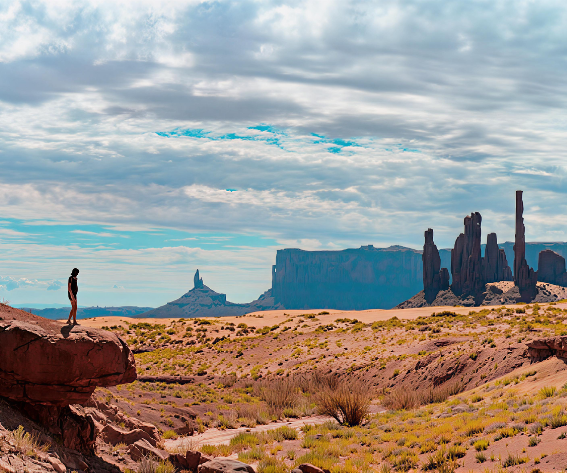
Arizona has long been a magnet for filmmakers seeking dramatic landscapes, reliable sunshine, and a sense of visual scale that is hard to replicate elsewhere. From classic Westerns to contemporary indie dramas, the state has quietly built a legacy as one of America’s most versatile filming locations. For filmmakers, Arizona offers more than just scenery. It provides mood, texture, and a storytelling shorthand that instantly communicates isolation, freedom, or tension.
Why Arizona Works on Screen
At its core, Arizona delivers visual contrast. Red rock deserts, pine forests, canyon systems, and urban pockets like Phoenix and Tucson all sit within a few hours of each other. This diversity extends beyond geography into culture and everyday life, where modern details, from roadside diners to billboards advertising the best Arizona dispensaries, add authenticity to contemporary stories. This variety allows productions to simulate multiple regions without leaving the state. For low to mid budget filmmakers, that flexibility is a major advantage.
Lighting is another key factor. Arizona’s climate offers over 300 days of sunshine each year, which translates into predictable shooting schedules and natural light that cinematographers love. Golden hour stretches longer across the desert, creating warm tones that have become synonymous with American Western imagery.
There is also a practical side. Arizona has a growing film infrastructure, experienced local crews, and fewer logistical headaches compared to heavily saturated hubs like Los Angeles. Permitting can be simpler, and wide open spaces reduce sound pollution and crowd control issues.
The Western Legacy
Arizona’s cinematic identity is deeply tied to the Western genre. Monument Valley, though technically straddling the Arizona Utah border, became iconic through John Ford’s films. These sweeping vistas defined what audiences came to expect from the American frontier.
Movies like Stagecoach and Rio Grande established the visual language of the West, with towering rock formations and endless horizons symbolizing both opportunity and danger. The landscape itself became a character, shaping narratives of survival and moral conflict.
Even as the Western genre evolved, Arizona remained central. Revisionist Westerns and modern interpretations continue to return to these locations because they carry historical weight and instant recognition.
Arizona Beyond the West
While Westerns built Arizona’s reputation, the state’s filmography extends far beyond cowboys and outlaws. Directors have used Arizona to double for other countries, futuristic worlds, and even suburban America.
Science fiction films have embraced Arizona’s stark terrain to suggest alien environments. The desert’s minimalism allows production designers to build worlds without visual clutter. In contrast, urban areas like Phoenix provide a contemporary backdrop for crime dramas and thrillers.
Independent filmmakers are particularly drawn to Arizona for its affordability and creative freedom. The state has become a quiet hub for indie projects that prioritize atmosphere and character over spectacle.
Notable Films Shot in Arizona
Several high profile productions have taken advantage of Arizona’s unique look. Raising Arizona, directed by the Coen Brothers, used the state not just as a setting but as a tone setter. The wide open spaces and quirky suburban edges complemented the film’s offbeat humor.
No Country for Old Men also tapped into Arizona’s borderland aesthetic, even though parts of it were shot in neighboring states. The desert landscape amplified the film’s themes of inevitability and moral decay.
More recently, films like Nomadland captured the transient, introspective side of life in the American West. Arizona’s quiet expanses provided the emotional backdrop for a story about loss and resilience.
The Role of Landscape in Storytelling
One of Arizona’s greatest strengths is how its environment shapes narrative. The desert can represent freedom, but it can also signal danger or emptiness. This duality gives filmmakers a powerful visual tool.
In thrillers, the isolation of the desert heightens tension. There is nowhere to hide, and help feels impossibly far away. In dramas, the same setting can evoke introspection and personal transformation.
Cinematographers often use wide shots to emphasize scale, placing characters against vast landscapes. This technique reinforces themes of insignificance or struggle, depending on the story. Close ups, on the other hand, contrast human emotion with the harshness of the environment.
Practical Considerations for Filmmakers
Shooting in Arizona is not without challenges. The heat can be intense, especially during summer months, requiring careful scheduling and safety precautions. Equipment can overheat, and cast and crew need to stay hydrated.
However, these challenges are manageable with proper planning. Many productions shoot during cooler seasons or schedule outdoor scenes for early morning and late afternoon. The payoff is a visual richness that is difficult to achieve elsewhere.
Local film offices and production resources can assist with permits, location scouting, and crew connections. Arizona’s film community is collaborative, making it an appealing option for both seasoned professionals and emerging filmmakers.
The Future of Filmmaking in Arizona
As the industry continues to decentralize, Arizona is well positioned to attract more productions. Advances in digital filmmaking have lowered barriers to entry, and filmmakers are increasingly looking beyond traditional hubs for fresh visuals and cost efficiency.
There is also growing interest in authentic regional storytelling. Arizona offers a cultural and geographical identity that cannot be easily replicated. Stories set in the Southwest benefit from shooting on location, where the environment naturally informs performance and tone.
State incentives and local support will play a role in shaping Arizona’s future as a film destination. With the right investment, it could become an even stronger competitor in the national and international production landscape.
Conclusion
Arizona’s contribution to cinema goes far beyond its association with Westerns. It is a place where landscape and story intersect in meaningful ways. For filmmakers, it offers both practical advantages and creative inspiration.
Whether capturing the vast silence of the desert or the subtle rhythms of urban life, Arizona continues to prove that location is more than a backdrop. It is a storytelling partner, capable of elevating a film from ordinary to unforgettable.
You may also like:




Leave a reply