
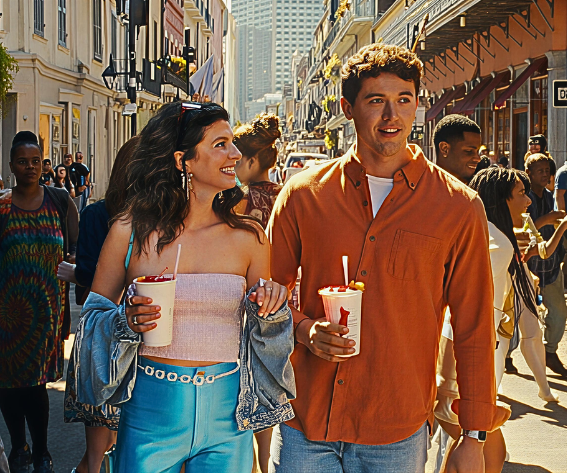
Lately, movies based on books have slipped into everyday entertainment, helped along by streaming services reaching more viewers than ever. Just as the Gzone Tournament grows from laughter around a table, certain love stories gain strength through relatable feelings. One such story is Emily Henry’s People We Meet on Vacation, which clicks with readers in a quiet yet steady way. That it’s now becoming a film says something about staying power—about people craving real moments between characters, not just plot twists. Screen versions follow when hearts respond first.
What started as a present-day love story soon built a following. Real people, real feelings, real questions about closeness—that pulled readers in. News of a movie version brought fresh attention. Fans began wondering how quiet moments between pages might look on screen. Seeing it unfold visually sparked curiosity, nothing more.
A Beloved Story at Its Core
What holds everything together in People We Meet on Vacation is how people link up. Two close friends move through life, their bond shifting across years filled with trips they take together, moments they let slip by, and changes within themselves. Instead of big surprises, it’s quiet talks and opening up emotionally that make things clear little by little. Only later do certain truths settle into place.
What keeps the story real might be why so many people connected with it. Instead of chasing drama, Emily Henry focuses on how emotions actually unfold. Because of that, the people in the pages seem like folks you’ve known before. With so much sameness in love stories lately, this one pushes forward simply by feeling true. Adaptations often look for exactly that kind of honesty.
Why the Novel Translates Well to Film
Not every book lends itself easily to a movie format, but People We Meet on Vacation has several elements that naturally support a screen adaptation:
- Visually rich settings: The story’s travel-focused structure offers a variety of locations that can add visual appeal without distracting from the narrative.
- Character-driven storytelling: The emotional arc between the main characters provides a strong foundation for performances.
- Dialogue-focused scenes: Many of the novel’s most impactful moments come from conversations, which translate well to film.
These qualities allow the adaptation to remain faithful to the source material while using cinematic tools to enhance the experience.
Fan Expectations and Adaptation Challenges
When a well-known book turns into a film, people tend to expect a lot. Characters and moments can feel close to readers, pictured uniquely in each mind. That puts pressure on the adaptation—directors walk a line between fresh vision and staying true to what came first.
What catches attention in People We Meet on Vacation isn’t just who shows up, but how quiet moments feel. A glance held too long, a pause before speaking—these bits shape much of the story’s heartbeat. Without big dramatic shouts, the weight rests on small choices actors make. Direction must treat silence like dialogue, giving space for what goes unsaid. Getting that balance right could define whether the screen version holds true to its soul.
Romance Adaptations in Modern Pop Culture
Adapting People We Meet on Vacation fits into something bigger happening across shows and movies. Stories about love, particularly when they feel current and mirror real-life experiences, are drawing attention again. This shift emerges as viewers lean toward narratives where characters matter more than spectacle.
What sets romance films apart from explosive blockbusters is their quiet focus on real feelings and small moments. Because of this, they gather devoted fans who weren’t even part of the book audience at first. Take Emily Henry—her novels slide perfectly into this trend where pages turn into screen time without losing what made them special. These kinds of tales now stand tall between books and movies, reaching people across different tastes.
From Readers to Viewers
Seeing a book turned into a film often brings fresh eyes to an old tale. For those who’ve read it, the movie feels like meeting someone already known. First-time viewers get pulled in without knowing what came before. How people react depends on which camp they fall into. Talk about these films spreads differently because of that split view.
People might discover the tale through the screen, even if they never opened the book. What begins as a shared journey between friends can unfold in new ways when seen instead of read. Timing matters, not just in love but in how stories find their moment. Honesty about feelings often hits harder when spoken aloud by actors. Films like this one stretch beyond pages into real conversations. That shift—from pages to pictures—is why such retellings still matter now.
A New Chapter for a Modern Romance
When books turn into movies, they step into a whole different world. This one does too. Not every detail stays the same—that never happens. Yet what matters most still stands: how people grow close and how feelings shift over time. Stories like these keep coming back, just dressed differently. What once lived on pages now moves and speaks. Change is part of the path. Still, the heart doesn’t get swapped out.
Moviegoers who loved the book get to see its world come alive differently. Those unfamiliar might find themselves drawn into a love tale widely discussed today. Still, one thing stands clear—stories shift shape across pages and screens, yet keep speaking to us.
You may also like:






Leave a reply