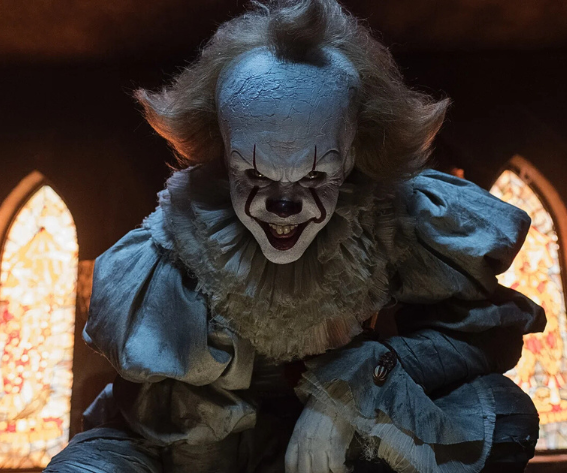
For decades, horror was treated as a marginal genre—profitable, yes, but rarely respected. It was associated with cheap scares, predictable formulas, and quick returns rather than artistic ambition. Today, that perception has changed dramatically. Horror has become one of the most creatively adventurous spaces in modern cinema, often doing what bigger genres no longer risk: experimenting with form, tone, pacing, and ideas.
This shift did not happen overnight. It emerged gradually, as filmmakers realized that horror—because of its expectations and relatively low budgets—offered unusual freedom. While other genres became increasingly tied to franchises, intellectual property, and global market calculations, horror quietly evolved into a laboratory for new cinematic language.
In many ways, following modern horror feels similar to tracking other fast-moving creative ecosystems where experimentation thrives at the edges. Some audiences engage with these ecosystems casually during downtime, whether that means discovering a new indie release or checking familiar platforms like تحميل ميل بيت between screenings. The interaction is secondary; what matters is how flexible, immediate, and responsive the environment feels—much like contemporary horror itself.
From Formula to Expression
Classic horror relied heavily on structure: a clear threat, escalating tension, and a final confrontation. While these elements still exist, modern horror often uses them as a starting point, not a destination.
Filmmakers today treat horror less as a checklist and more as a language. Fear becomes a tool for exploring grief, guilt, social pressure, trauma, and identity. The monster is no longer just something to defeat—it’s a metaphor to be understood, endured, or even lived with.
This shift explains why many recent horror films feel slower, quieter, and more ambiguous. They are less concerned with delivering constant shocks and more interested in creating unease that lingers long after the credits roll.
Why Horror Has More Creative Freedom Than Other Genres
One of the biggest reasons horror thrives creatively is economic. Horror films are often made with modest budgets, which lowers financial risk and gives directors more control. Studios are more willing to take chances when the potential loss is limited.
At the same time, audiences approach horror with different expectations. They are more open to unconventional endings, unresolved questions, and tonal shifts. A drama that refuses closure may frustrate viewers; a horror film that does the same is often praised for its boldness.
Unlike superhero or action films, horror does not need to appeal equally to every demographic. It can afford to be divisive—and that divisiveness creates space for innovation.
Horror as a Reflection of Its Time
Every era’s fears shape its horror. What makes modern horror stand out is how intimately it reflects contemporary anxieties.
Themes like isolation, loss of control, inherited trauma, and social fragmentation appear repeatedly—not because they are trendy, but because they resonate deeply. Horror has become a way to process uncertainty in a world that often feels unstable and overwhelming.
Rather than offering escape, these films offer recognition. They don’t reassure the audience that everything will be fine; they acknowledge that fear itself is part of modern life.
This honesty is one reason horror now attracts filmmakers who might once have avoided the genre. It allows them to speak directly, without needing spectacle as a disguise.
Style Over Shock
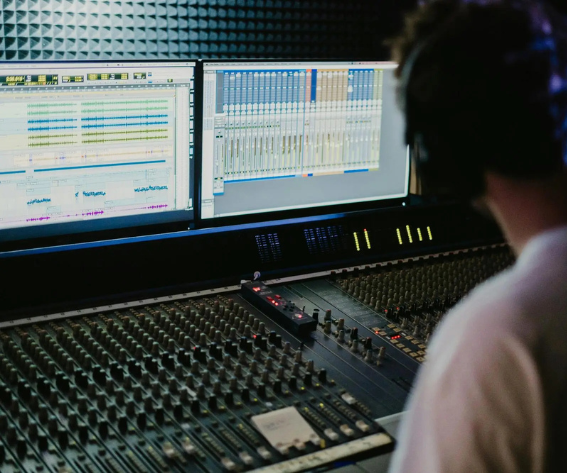
Another major evolution is aesthetic. Modern horror places enormous emphasis on visual and sonic design. Long takes, minimal dialogue, negative space, and carefully designed soundscapes replace jump scares as the primary tools of tension.
Silence becomes as important as noise. Empty rooms feel threatening. Everyday locations—houses, schools, forests—are filmed in ways that strip them of familiarity.
This stylistic confidence aligns horror more closely with arthouse cinema than mainstream genre filmmaking. The result is a hybrid form that plays equally well at festivals and midnight screenings.
Table: What Sets Modern Horror Apart
| Element | Traditional Horror | Modern Horror |
| Primary goal | Scare the audience | Create sustained unease |
| Narrative focus | External threat | Internal conflict |
| Endings | Clear resolution | Ambiguous or unresolved |
| Visual style | Functional | Highly stylized |
| Budget approach | Cost-saving | Creative freedom |
This evolution doesn’t reject the past—it builds on it, expanding what horror can be.
The Role of Audience Engagement
Modern horror also benefits from how audiences interact with films today. Viewers don’t just watch; they analyze, discuss, reinterpret, and revisit. Horror films, with their symbolism and ambiguity, invite this kind of engagement naturally.
Online discussions, essays, and long-form criticism have helped legitimize horror as a serious artistic form. Films that might once have been dismissed now generate sustained conversation, extending their cultural life.
In this environment, attention behaves differently. People move fluidly between activities—watching, reading, discussing, and occasionally stepping away. Platforms like Melbet understand this rhythm: engagement doesn’t have to be constant to be meaningful. Horror films operate similarly, lingering in the mind even when the viewer is doing something else.
Horror Versus Franchise Cinema
Perhaps the most striking contrast is between horror and franchise-driven cinema. While franchises aim for consistency, horror thrives on unpredictability.
Franchises protect formulas; horror breaks them. Franchises rely on familiarity; horror weaponizes discomfort. Where one prioritizes brand stability, the other values emotional impact—even at the risk of alienating part of the audience.
This doesn’t mean horror is “better,” but it explains why so many original voices gravitate toward it. When filmmakers want to experiment with structure, pacing, or theme, horror offers permission.
Why This Moment Matters
The current creative strength of horror may not last forever. Genres move in cycles, and success inevitably attracts imitation. But even if the cycle turns, horror’s recent evolution has already left a mark on cinema as a whole.
Other genres have borrowed its patience, its willingness to sit with ambiguity, and its trust in the audience’s intelligence. In that sense, horror has quietly influenced modern filmmaking far beyond its own boundaries.
What began as a marginal genre has become one of cinema’s most important creative engines.
Horror didn’t become the most creative genre by accident. It earned that position by embracing risk, rejecting comfort, and using fear as a lens rather than a gimmick. In a film landscape dominated by repetition, horror remains one of the few spaces where originality still feels possible.
For viewers, this means encountering films that challenge rather than reassure. For filmmakers, it means having room to explore ideas that might not survive elsewhere. And for cinema as a whole, it means that the genre once dismissed as disposable now stands at the forefront of artistic experimentation.
If the future of film depends on creativity, discomfort, and honesty, then horror isn’t just participating—it’s leading.
You may also like:




Leave a reply