
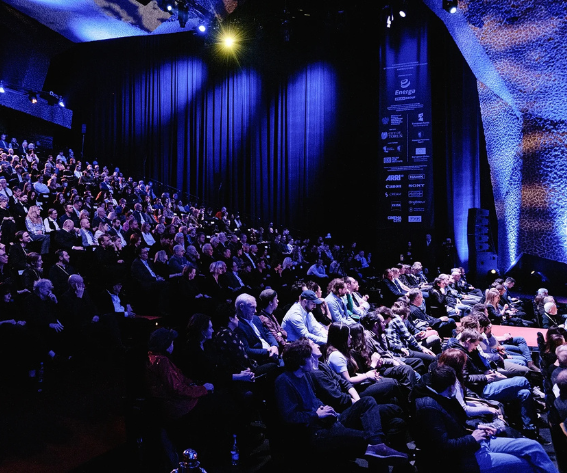
Film festivals thrive on rhythm: screenings, discussions, pauses, and sudden bursts of inspiration. Between films and Q&A sessions, audiences and filmmakers often look for light, engaging ways to stay mentally connected to the creative atmosphere. One unexpected option that has found its place in these short intervals is the play Plinko game format — a fast, visually driven interaction that mirrors the suspense and unpredictability of cinema itself.
Rather than pulling attention away from filmmaking, these short experiences fill the quiet moments between screenings with focus and creative tension. For many festival attendees, they act as a mental reset, keeping the mind active while waiting for the next story to unfold on screen.
Why Interactive Breaks Fit the Festival Mindset
Film festivals are emotionally dense. Each screening introduces new narratives, pacing styles, and visual languages. During short breaks, people naturally seek activities that maintain this heightened state without overwhelming them. Platforms like Melbet are often used not for distraction, but as quick, contained interactions that echo the tension-and-release structure familiar to filmmakers.
Much like a short film, these formats deliver an outcome in seconds. They don’t demand long commitment and allow participants to return immediately to the festival flow — refreshed rather than disengaged.
During packed schedules, attendees often use these brief pauses to recalibrate their focus, keeping the creative energy alive without drifting away from the cinematic environment.
How Visual Micro-Experiences Reflect Cinematic Structure
Cinema is built on anticipation, movement, and consequence. Short interactive formats work for film audiences because they follow the same principles:
- Clear visual progression, similar to scene blocking
- Rapid build-up followed by resolution
- A balance between control and unpredictability
This structure feels familiar to anyone involved in filmmaking. The experience complements the pace of festival programming rather than interrupting it, allowing viewers to stay emotionally aligned with the event.
Elements That Shape Engagement During Festival Days
Maintaining creative sharpness during long festival days requires awareness of mental load. Filmmakers often gravitate toward activities that offer structure without complexity, especially between screenings.
Controlled Variations in Intensity
Some moments call for calm reflection, others for sharper stimulation. Just as films vary in tone, interactive formats allow users to choose a level of intensity that matches their current mindset. Lighter engagement works well after emotionally heavy films, while higher tension feels natural after dynamic or experimental screenings.
This conscious alignment helps prevent burnout while keeping creative instincts alert.
Time Discipline Between Screenings
Festival schedules leave little room for distraction. Short, clearly bounded activities are ideal because they can be completed before the next screening begins. Knowing exactly when an interaction starts and ends mirrors the discipline required in editing and storytelling.
Many filmmakers treat each break as a standalone moment — engage, conclude, reset — much like working scene by scene.
Practical Tips for Staying Creatively Engaged at Festivals
The most effective approach is intentional brevity. Engage for a few minutes, then step away fully present for the next film. This preserves emotional balance and avoids creative fatigue.
Another useful mindset is treating each pause as a fresh start rather than a continuation. This mirrors how filmmakers approach new scenes or projects and helps maintain clarity throughout long festival days.
Why Small Interactions Enhance the Festival Experience
Film festivals are not only about watching films — they’re about staying immersed in the language of cinema. Thoughtful engagement during breaks deepens perception and keeps the creative mind active.
When short interactive moments align with the rhythm of screenings, they add a subtle layer of tension and release that complements the cinematic journey. In this way, even the pauses between films become part of the overall storytelling experience.
You may also like:





Leave a reply