
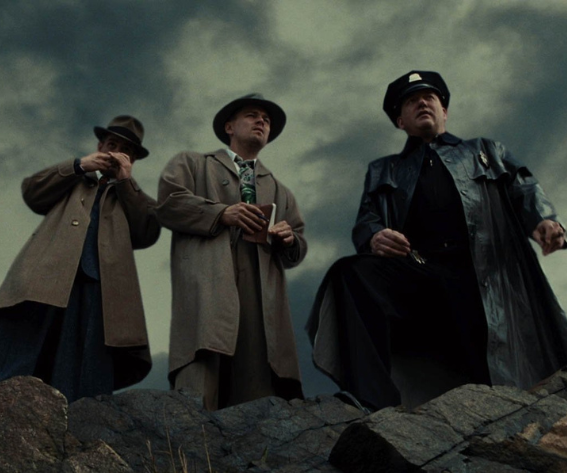
Psychological thrillers have a curious reputation. They are often described as intense, unsettling, or emotionally heavy, yet millions of people actively seek them out. Films like Black Swan, Shutter Island, Gone Girl, and The Silence of the Lambs continue to captivate audiences long after their release. On the surface, it seems counterintuitive to choose stories filled with tension, paranoia, and moral ambiguity as a form of relaxation. But beneath their dark tones, psychological thrillers tap into deep emotional mechanisms that can actually help viewers process stress, fear, and unresolved inner conflicts.
Unlike light entertainment that distracts the mind, psychological thrillers invite viewers into complex emotional landscapes. They explore themes of identity, trauma, obsession, and moral choice, giving shape to feelings people may struggle to articulate in daily life. By engaging with these intense narratives in a controlled environment, viewers can confront difficult emotions from a safe distance. This emotional “simulation” can be surprisingly grounding, offering a structured way to experience and release inner tension.
Controlled Fear and Emotional Catharsis
One of the key therapeutic elements of psychological thrillers is controlled fear. When we watch a suspenseful film, our bodies respond with heightened alertness, increased heart rate, and a surge of adrenaline. However, because the danger is fictional, the brain eventually registers safety. This cycle of tension and relief creates a form of emotional catharsis. By the end of the film, viewers often feel calmer, lighter, and more emotionally regulated.
This process mirrors certain principles used in exposure therapy, where individuals gradually face stressful stimuli in a controlled setting. While watching a thriller is not a substitute for therapy, it can activate similar emotional patterns. The mind rehearses stress responses and then practices letting go, which can help people feel more resilient in real-world situations.
The Need for External Stimulation
People naturally seek external stimulation as a way to break the monotony of routine and release pent-up mental energy. This need for excitement is a natural part of the human experience. Some individuals find this stimulation through physical activities, others through intense storytelling, and still others through interactive experiences. For instance, many people turn to platforms like casino nv, where the thrill of uncertainty and engagement offers a sharp contrast to the predictability of daily life. In a similar way, psychological thrillers provide a mentally stimulating escape, offering suspense and emotional intensity that can feel refreshing rather than draining when consumed in moderation.
Rather than being purely stressful, this type of stimulation can help reset the nervous system. It gives the mind a focused outlet for anxious energy, allowing people to temporarily step outside their own worries and immerse themselves in a compelling narrative.
Exploring Inner Conflicts Through Characters
Another therapeutic aspect of psychological thrillers lies in identification with characters. These films often center on flawed, conflicted individuals who struggle with fear, guilt, obsession, or fragmented identities. Watching these characters navigate their inner demons can help viewers reflect on their own emotional struggles.
This form of symbolic processing allows people to explore difficult topics indirectly. A character’s descent into paranoia or moral compromise can mirror feelings of anxiety or self-doubt in the viewer. Seeing those emotions dramatized on screen makes them feel more tangible and less isolating. In some cases, it can even inspire insight or emotional release, helping people name feelings they previously could not articulate.
The Comfort of Narrative Resolution
Psychological thrillers are structured around tension and resolution. Even when the ending is ambiguous or unsettling, the story still reaches a form of closure. This narrative arc provides psychological comfort. The human brain craves coherence, and stories that resolve conflict help satisfy that need.
For people dealing with stress, uncertainty, or unresolved life issues, watching a film that follows a clear emotional trajectory can be stabilizing. It reminds viewers that chaos can lead to understanding, and confusion can eventually give way to meaning. Even tragic endings can feel oddly reassuring because they offer emotional completeness.
Building Emotional Awareness and Empathy
Many psychological thrillers delve into themes of mental health, trauma, and moral ambiguity. Films like A Beautiful Mind, Joker, or The Machinist explore the fragile boundaries between perception and reality. While these portrayals are often dramatized, they still encourage viewers to reflect on the complexity of the human mind.
This reflection can build emotional awareness and empathy. Viewers may come away with a deeper understanding of how stress, grief, or isolation shape behavior. For people who feel disconnected from their own emotions, psychological thrillers can serve as emotional mirrors, highlighting feelings they may have suppressed or overlooked.
When Thrillers Become Overwhelming
Despite their benefits, psychological thrillers are not therapeutic for everyone in every situation. For individuals experiencing acute anxiety, trauma, or intrusive thoughts, intense films can sometimes worsen symptoms rather than relieve them. The key lies in self-awareness and moderation.
Choosing the right type of thriller matters. Some films focus more on suspense and psychological depth, while others rely heavily on graphic violence or shock value. Viewers should be mindful of their emotional state and avoid content that feels overwhelming rather than engaging.
A Modern Form of Emotional Processing
In a fast-paced, overstimulated world, people are constantly looking for ways to regulate their emotions. Some turn to meditation, others to exercise, and many to storytelling. Psychological thrillers occupy a unique space in this landscape. They combine emotional intensity with narrative structure, allowing viewers to confront fear, tension, and moral complexity in a safe, contained form.
When approached thoughtfully, these films can offer more than entertainment. They can provide catharsis, insight, and even emotional grounding. By engaging with dark stories in a controlled way, people may find unexpected comfort, clarity, and resilience.
Why We Keep Coming Back
The enduring popularity of psychological thrillers suggests that audiences instinctively recognize their deeper value. These films challenge, disturb, and provoke, but they also heal in subtle ways. They give shape to invisible anxieties, offer emotional release, and remind us that inner conflict is a shared human experience.
Rather than being purely unsettling, psychological thrillers can serve as emotional laboratories where viewers experiment with fear, empathy, and self-reflection. In doing so, they reveal an unexpected truth: sometimes, confronting darkness on screen can help us feel lighter, calmer, and more grounded in real life.
You may also like:







Leave a reply