
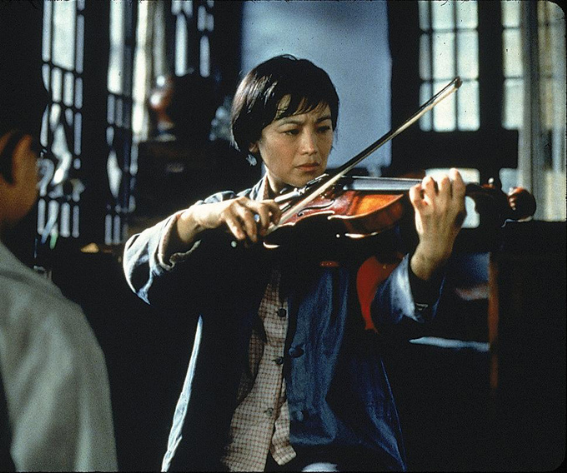
When it comes to adding elegance and expressing emotions to a scene, props are as visually powerful as a violin. It can level up the mood, be it on a street, orchestra, or as background music in a story.
However, for most filmmakers, like indie creators, there is a challenge. And it lies in finding instruments that’ll look authentic without hurting their production budget. So, how do they get through it?
That’s where smart sourcing and strategic prop management takes a play.
Where to Source Affordable Violins
Finding a cheap violin doesn’t mean you’re forgetting the quality. There are various places where filmmakers can get budget-friendly violins that still look good on camera.
For instance, local music stores keep an entry-level violin that is no longer in good playing condition, but still looks fine on the outside. Sometimes, pawn shops also have some snagged violins.
Apart from that, online marketplaces, like eBay and Facebook Marketplace carry low-cost violins (starting at $50). They don’t sound that amazing, so don’t expect. They’re just perfect for background scenes or props.
A few more places include instrument rental shops and prop rental companies.
Tips for Choosing the Right Violin for Screen Use
When choosing a violin for film, note that you don’t need something that’s fully functional, especially if it won’t be played in the scene. But here are some tips for choosing the right axe for screen use.
- For close-up shots, pick a violin with proper strings, pegs, and a smooth finish. But if the violin will be used for wide shots, a cheaper or partially damaged violin will work just fine.
- Also, a bit of DIY can work like instant magic. You can enhance its wood by polishing it, replacing the strings, or doing touch-up painting that can make a bargain violin look more expensive on the screen.
Working with Actors and Props on Set
Actors are not really required to play the violin for real (at least most of the time). But it would help if they practice holding the bow properly and positioning their fingers while mimicking the movement of a real violinist. Then, the rest would depend on the camera angles.
Although it isn’t an expensive violin, it’s also important to handle it safely during filing since even a cheap violin deserves care. You can put it in a safe storage somewhere on the set. Don’t forget to inform the actors on how to handle it, too, especially during repeated takes or intense scenes.
Conclusion
Getting a cheap violin for film doesn’t have to be that very expensive. You just need to find a great resource, like online platforms, local shops, and prop rentals. This way, filmmakers can snag instruments that look great on camera without hurting their budget.
Oh, and don’t forget some creative tweaks and smart handling tactics. You’d be surprised how these cheap violins can look good while also fitting in with your budget, allowing your story and your scenes to shine.
You may also like:





Leave a reply