

Cinema has never been just a form of entertainment. It has always echoed whatever conversations were taking place beyond the screen. The evolution of female characters in cinema shows this especially clearly. For decades, women appeared in films as symbols, accessories, ideals — rarely as full individuals. Yet the evolution of women in film reveals how stories slowly stretched to make room for voices that had been boxed in for years. The shift didn’t happen overnight; instead, it unfolded through countless small steps, creative risks, and cultural pushes.
Early Screen Roles and the Search for Space
When film was in its infancy, women could be found in nearly every frame but seldom at the center of meaningful decisions. Their roles felt polished, predictable, and carefully restrained. The history of female characters in movies from this era includes vulnerable heroines, dreamers, and figures defined by their relationships to men.
Still, even under tight expectations, talented actresses managed to slip fragments of depth into their performances. They created moments of nuance where none were written. These early sparks suggested that representation of women in cinema could grow far beyond its original boundaries — if the industry allowed it.
Patterns in Storytelling and How Audiences Seek Familiarity
Audiences often look for patterns when they watch films, just as they do in everyday life. This instinct shows up in surprising ways, whether through predicting plot twists or gravitating toward stories that feel emotionally familiar. The same tendency appears in digital spaces, where people search for recognizable cues — much like players noticing a Hidden jack casino bonus because it represents something known in a sea of new information. Cinema works the same way: recurring themes help viewers feel grounded before the narrative takes them somewhere unexpected. Understanding this instinct also explains why certain female character types stayed unchanged for so long, even while society evolved.
Hollywood’s Golden Age and the Beautiful Illusion
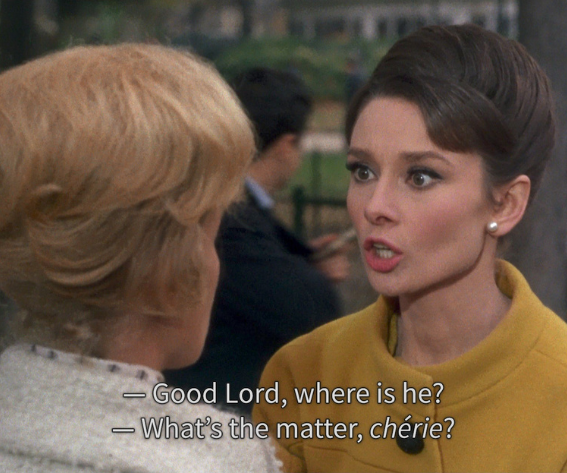
The Golden Age introduced unforgettable icons whose on-screen images were crafted with meticulous care. Studios invested heavily in creating glamorous female figures, but often gave them limited internal worlds. Women in Hollywood history during this period had fame, beauty, and screen time — but not always freedom.
Yet certain actresses pushed back. They demanded roles that challenged them rather than displayed them. Their insistence nudged the portrayal of women in movies toward something more layered. Even if the system remained controlling, audiences began responding to characters who felt more human, not merely decorative.
A New Wave of Characters with Real Dimension
By the mid-20th century, cultural currents began changing everything — from politics to art. Cinema followed these shifts, gradually offering women roles defined by ambition, conflict, and internal transformation. Suddenly, strong female characters were not exceptions — they were signals that film narratives were expanding.
These characters didn’t exist to reflect the hero’s journey; they carried journeys of their own. Their presence reshaped gender representation in movies and opened doors for future storytelling. Audiences were drawn to characters who made mistakes, demonstrated resilience, or held power in unexpected ways.
Why Stereotypes Held Their Ground
Even with progress, old habits persisted. Stereotypes of women in films — emotional caretakers, temptresses, silent inspirations — remained appealing to producers who favored familiar formulas. These portrayals lingered largely because they were safe and profitable.
However, repeating these patterns exposed their limitations. As discussions around representation grew louder, it became clear that the portrayal of women in movies needed a deeper overhaul. The narrowness of these roles helped highlight why change was necessary.
Female Leads in Modern Cinema and Their Expanding Reach
Modern cinema paints a far more varied picture. Female leads in modern cinema appear as leaders, experts, flawed humans, and nuanced protagonists. Their humanity — not their appearance — shapes the plot.
These roles often include:
- stories driven by personal purpose
- emotional arcs not tied to romance
- agency in key decisions
- complex inner lives
- identities that feel lived, not constructed
The evolution of women in film is visible through this diversification alone. There is no longer a single model for what a female protagonist should look like.
Cultural Shifts That Rewrote Expectations
Film evolves whenever society evolves. As conversations about equality and identity intensified, representation of women in cinema began to reshape itself as well. Writers and directors started asking new questions about perspective and authenticity.
Feminist film analysis also entered mainstream conversation, encouraging people to examine who holds narrative power. This shift helped audiences recognize when a character was fully realized — and when she was merely symbolic. Cinema became more introspective as a result.
Women Behind the Camera Changing the Direction of Film
Character evolution is inseparable from creator evolution. Once more women moved behind the camera — as directors, editors, producers, and writers — the cinematic representation of women transformed dramatically. Their presence brought new emotional palettes, new angles, and new definitions of complexity.
These storytellers introduced characters shaped by real experiences rather than recycled tropes. They explored age, identity, ambition, failure, aspiration, motherhood, independence, and everything between. Their work expanded the industry’s emotional vocabulary.
How Shifting Social Norms Influenced Character Narratives
Cinema doesn’t exist in isolation. As society broadened its view of womanhood, films responded with characters who reflected that expansion. Women on screen started navigating personal reinvention, professional aspirations, complicated relationships, and identity conflicts.
The evolution of female characters in cinema revealed a move toward realism. Instead of leaning on idealization or limitation, stories embraced contradiction and nuance. Audiences connected deeply with characters who felt truthful rather than symbolic.
What Feminist Film Analysis Brings to the Conversation
Feminist film analysis examines characters through patterns of agency, growth, and narrative weight. Instead of celebrating representation simply because it exists, this lens evaluates its depth.
It often addresses questions like:
- Does the character influence the plot or merely react to it?
- Does she hold emotional or practical autonomy?
- Is her complexity allowed to unfold?
- Does her role challenge or repeat old patterns?
- Is she written as a full person, not an idea?
These questions help map how far cinema has moved — and what gaps remain.
Shifting Representation Across Eras
| Era | Common Portrayal | Progress Trend | Key Traits |
| Early Film | Silent, symbolic figures | Low | Minimal narrative impact |
| Golden Age | Glamour-driven roles | Moderate | Iconic yet restricted |
| Post-war Era | Characters with ambition | Rising | More emotional range |
| Late 20th Century | Fully formed leads | High | Genre variety expands |
| Modern Cinema | Diverse perspectives | Very high | Complexity as norm |
This simple timeline shows how representation stretched across genres, decades, and cultures.
Why Representation Matters Beyond Entertainment
Representation influences how people see themselves and how they imagine others. The portrayal of women in movies affects everything from confidence to cultural expectations. Films shape narratives that society repeats — sometimes consciously, sometimes not.
Accurate, layered representation encourages:
- broader role models
- deeper empathy
- new creative directions
- stronger emotional connections
- cultural progress
Film is not just a reflection — it is also a teacher.
How Digital Platforms Opened Creative Space
Streaming services changed the filmmaking landscape by allowing more experimental, diverse, and risk-taking projects. Stories that once struggled to find funding suddenly found global audiences. This shift benefited female creators and characters especially.
Digital platforms allowed:
- unconventional storytelling
- varied casting choices
- stories from underrepresented communities
- bolder genre experimentation
- more female-led productions
The cinematic representation of women broadened significantly as a result.
Challenges That Still Shape Female Character Development
While progress is undeniable, certain issues persist. Many films still fall back on predictable formulas. Some roles prioritize appearance over personality. Women of color and older actresses still face unequal opportunities.
Ongoing challenges include:
- restricted roles for older demographics
- simplified villains
- limited diversity within ensembles
- pressure toward “likable” portrayals
- fewer technical positions held by women
These obstacles remind us that evolution is an ongoing process.
Modern Examples of Characters with Full Humanity
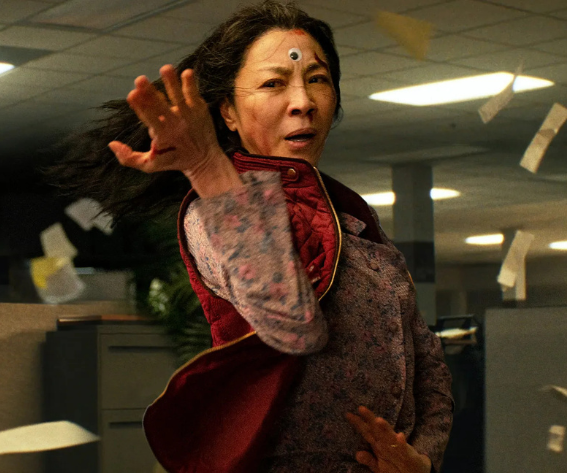
Today’s films portray women who feel richly alive. They succeed, fail, question, pursue, collapse, rebuild — and not always in tidy arcs. They are warriors with doubts, scientists with emotional complexity, mothers who redefine strength, or ordinary individuals navigating life’s unpredictability.
This level of dimensionality is the strongest proof of how far the evolution of female characters in cinema has come.
Final Thoughts on How Cinema Continues to Change
The story of women on screen is a story of persistence — of creative voices slowly pushing walls outward. What began as symbolic roles has grown into a field full of detail, vulnerability, fire, humor, and strength. As filmmakers continue exploring different perspectives, the representation of women in cinema becomes richer and more honest. The journey is not finished, but the path ahead looks far more open than the one behind.
FAQs
How has female representation changed throughout cinema’s history?
Characters moved from symbolic roles to complex individuals with narrative influence.
What helped drive the evolution of women in film?
Cultural change, social activism, and the rise of women behind the camera.
Why do outdated stereotypes still appear?
Industry habits and traditional storytelling formulas continue to influence some films.
How does feminist film analysis help audiences?
It highlights power dynamics, character depth, and structural biases.
What defines modern female characters?
Emotional range, personal agency, and the ability to lead stories across diverse genres.
You may also like:





Leave a reply