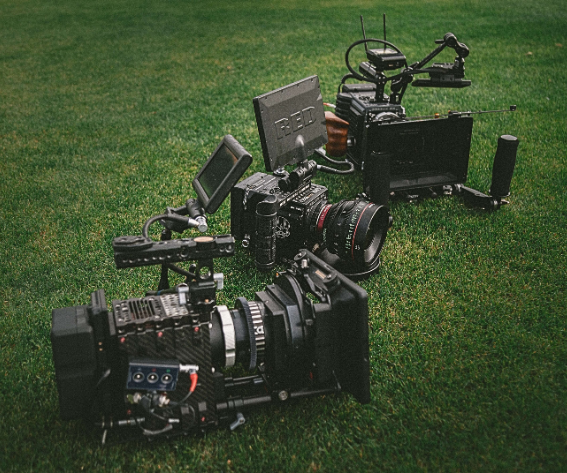
Independent filmmakers and small production teams often face the same challenge: how to grow the scale and quality of their projects without spending huge amounts of money on equipment. Cameras, lighting packages, lenses, grip gear, and audio setups can easily cost tens of thousands of dollars. For many creators, buying everything outright simply is not realistic.
Fortunately, modern production workflows make it possible to scale projects without owning a warehouse of gear. Renting equipment, collaborating with other professionals, and planning productions strategically allow filmmakers to achieve professional results while keeping budgets under control. This approach has become standard across the industry, from indie productions to commercial shoots. As Autostoday often points out in other industries, access and flexibility frequently matter more than ownership when it comes to using expensive tools.
The True Cost of Owning Film Equipment
Buying equipment seems attractive at first. Owning a camera or lighting kit means it is always available when inspiration strikes. However, the financial reality is often more complicated.
High end cinema cameras can cost anywhere from several thousand to well over fifty thousand dollars once lenses and accessories are included. Lighting kits, monitors, stabilizers, tripods, and audio gear quickly add to that total. Beyond the initial purchase price, filmmakers must also consider maintenance, repairs, insurance, storage, and eventual upgrades when technology becomes outdated.
Gear also loses value over time. A camera that is cutting edge today may be considered outdated in just a few years. Renting allows filmmakers to use current technology without committing to long term depreciation.
Why Renting Equipment Makes Scaling Easier
Renting gear allows productions to match their equipment to the specific needs of each project. Instead of relying on a single camera setup for every shoot, filmmakers can select the right tools for the job.
For example, a documentary may require lightweight cameras and portable audio gear, while a commercial production may need large cinema cameras, extensive lighting, and professional stabilization systems. Renting makes it possible to access specialized equipment only when it is actually needed.
This flexibility allows productions to grow in scale. A small team can suddenly operate with high end gear, large lighting setups, and professional support equipment without investing huge amounts of capital.
Access to Professional Level Technology
One of the biggest advantages of renting is access to equipment that would otherwise be out of reach financially.
Many rental houses carry industry standard cameras, lenses, and lighting systems used in major productions. Filmmakers can temporarily use these tools for a fraction of the purchase price. This allows smaller productions to achieve cinematic results that would normally require a massive budget.
Access to professional technology can also help filmmakers attract clients or collaborators. High quality visuals and reliable equipment build confidence on set and improve the overall production experience.
Scaling Your Crew Alongside Your Gear
Scaling production is not only about equipment. As projects become more ambitious, crew size often increases as well. Renting gear allows filmmakers to bring in specialists who are familiar with specific tools.
For example, a cinematographer may recommend a particular camera system or lens set. A gaffer might request certain lighting units to achieve a desired look. By renting gear that matches the expertise of your crew, the entire production becomes more efficient.
This collaborative approach often leads to better creative outcomes and smoother shoots.
Budget Control and Project Flexibility
Renting also provides a clearer and more flexible budgeting structure. Instead of tying up large sums of money in equipment purchases, filmmakers can allocate resources directly to each project.
This approach makes it easier to scale production up or down depending on the scope of the shoot. A short social media video may require only a minimal package, while a branded commercial could justify a larger equipment rental.
The ability to adjust budgets and resources per project allows production companies to take on a wider variety of work.
Planning Your Rentals Strategically
Successful productions treat equipment rentals as part of the planning process rather than a last minute task. Careful preparation ensures that every piece of gear serves a clear purpose during the shoot.
Start by breaking down the script or shot list and identifying technical needs. Consider camera movement, lighting style, sound requirements, and shooting locations. From there, create a rental list that supports the creative vision without adding unnecessary costs.
Good planning also helps avoid delays on set. When every tool is ready and tested, the crew can focus on performance and storytelling rather than technical problems.
Learning From Other Industries
The concept of scaling without ownership is not unique to filmmaking. Many industries rely on temporary access to expensive resources instead of permanent investment. A good example is transportation services, where businesses and travelers often rely on rental options rather than purchasing vehicles outright. Autostoday’s guide to buying a rental car highlights similar financial considerations around depreciation, flexibility, and cost efficiency.
The same principles apply to filmmaking. Access to the right tools at the right moment can be more valuable than owning those tools permanently.
Building a Sustainable Production Workflow
For many filmmakers, renting equipment becomes part of a long term production strategy. It allows teams to remain adaptable as technology evolves and creative demands change.
Instead of locking themselves into one camera system or lighting setup, filmmakers can explore different tools across projects. This experimentation often leads to better technical knowledge and more creative flexibility.
Ultimately, scaling a film production is about making smart decisions with limited resources. Renting equipment gives filmmakers the freedom to work at a higher level without the financial burden of constant gear purchases. With careful planning and the right partnerships, even small teams can produce work that looks and feels like a much larger production.
You may also like:





Leave a reply