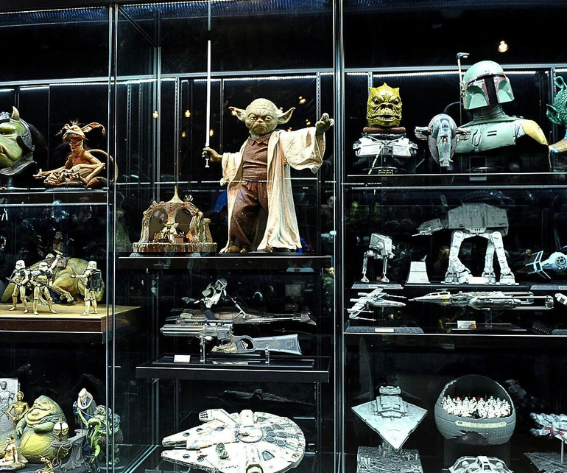
Movie props are the quiet workhorses of cinema. They rarely receive applause, yet they shape the authenticity of every scene. A prop can be as small as a handwritten note or as large as a futuristic vehicle. Without these objects, even the most powerful performance can feel hollow. Props anchor characters to their world and help audiences suspend disbelief.
In simple terms, a movie prop is any physical object used by actors on screen. This includes items they hold, wear, or interact with. Props can be practical, decorative (like images), symbolic, or even central to the plot. Think about how different a detective film would feel without case files, weapons, or clues scattered across a desk. The environment would lack texture and meaning.
The Power of Iconic Props
Some props become more famous than the films themselves. Consider the glowing lightsaber from Star Wars. It is more than a weapon. It represents identity, power, and moral struggle. The object’s design, sound, and movement helped define an entire franchise.
Another unforgettable example is the golden idol from Raiders of the Lost Ark. That single object sets the tone for adventure and danger in the film’s opening scene. Its weight and texture are almost tangible, which makes the tension feel real. These props do not just decorate the story. They drive it forward.
How Props Build Character
Props often reveal more about a character than dialogue ever could. A worn leather jacket suggests experience. A neatly arranged desk hints at discipline. A broken watch might symbolize a life frozen in time. Through careful selection, prop masters give actors tools to express personality and emotion.
In The Godfather, the simple presence of a desk, a cat, and a dimly lit office communicates authority and control. The props surrounding the character shape how viewers interpret power dynamics. Even small details, such as the style of a pen or a glass of whiskey, can shift perception.
The Craft Behind the Scenes
Creating believable props is a detailed process. Some are built from scratch by skilled artisans, some require redecorating. Others are modified versions of everyday objects. Period films require extensive research to ensure historical accuracy. Science fiction films demand imagination and innovation. Every material choice matters.
Production designers collaborate with prop masters to maintain visual consistency. A prop must match the tone, era, and color palette of the film. It must also function properly during filming. If an actor needs to break a bottle or fire a weapon, multiple versions may be created for safety and continuity.
Even decorative elements in homes and offices matter. Background props add depth to scenes. Framed photos, posters, or artwork can hint at a character’s history or interests. Companies like WallPics, which provides premium canva prints, show how carefully chosen wall art can elevate a space. On screen, similar design decisions help define the world a character inhabits.
Digital Props in Modern Cinema
Technology has expanded the definition of props. Many objects are now enhanced or entirely created through computer graphics. However, filmmakers often combine physical and digital elements. Actors perform better when they can interact with something tangible. A green tennis ball might later become a dragon, but the physical stand in helps maintain realism.
Films in the Marvel universe frequently blend practical props with digital effects. A shield or hammer might be physically present during close up shots, then digitally altered during action sequences. This hybrid approach ensures both authenticity and spectacle.
Props as Storytelling Devices
Some props function as symbols that carry emotional weight. In Titanic, a simple necklace becomes a representation of love, loss, and memory. The object connects different timelines within the narrative. It is not just jewelry. It is a storytelling device.
Similarly, in Cast Away, a volleyball becomes a companion. The object transforms into a lifeline for the stranded protagonist. Its presence highlights loneliness and human need for connection. Without that prop, the emotional arc would feel incomplete.
Collecting and Preserving Film History
Movie props do not lose their value once filming ends. Many are auctioned to collectors or displayed in museums. Fans are willing to pay extraordinary sums for objects connected to beloved films. Owning a prop offers a tangible link to cinematic history.
Preservation is important because these objects reflect craftsmanship and cultural impact. Props document trends in design, technology, and storytelling. They capture the spirit of a particular era in filmmaking.
Why Props Matter More Than We Think
At first glance, a prop may seem like a minor detail. In reality, it is a powerful storytelling tool. Props ground characters in their environment, deepen emotional resonance, and shape audience perception. They bridge the gap between imagination and reality.
The next time you watch a film, pay attention to the objects on screen. Notice how they are used, where they are placed, and how characters interact with them. You may discover that the smallest item holds the greatest meaning. Movie props are not just accessories. They are silent storytellers that help bring cinematic worlds to life.
You may also like:






Leave a reply