
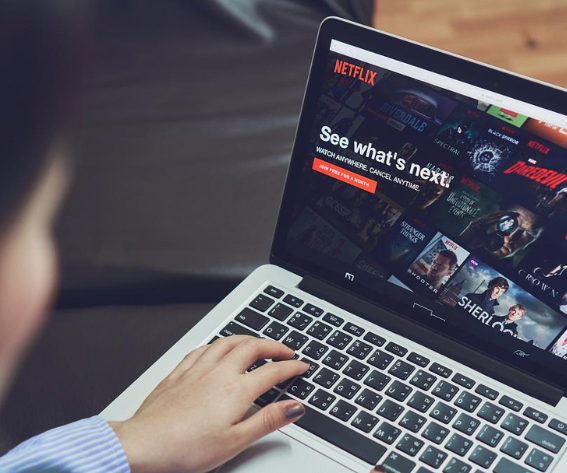
For much of the twentieth century, watching a film was an event. People planned trips to the cinema, checked showtimes in newspapers, and accepted that if they missed a screening, they might not get another chance for months or even years. Home video later added convenience, but it still required physical rentals or purchases. The rise of streaming has completely reshaped this rhythm. Today, thousands of films are available on demand, ready to be watched at any hour on televisions, laptops, or phones. This shift has transformed movies from occasional outings into everyday experiences woven into daily routines.
Streaming has also changed expectations around immediacy. Audiences now assume instant access, seamless playback, and personalized recommendations. Instead of choosing from a limited selection at a local theater or video store, viewers browse massive digital libraries curated by algorithms. The result is a more flexible, user-driven film culture, where people watch what they want, when they want, and how they want.
The Algorithmic Age of Entertainment
As we navigate this new landscape, the influence of data-driven platforms has become increasingly visible. Services analyze viewing habits to suggest content tailored to individual preferences. In this broader digital environment, platforms like Xon Bet illustrate how sophisticated recommendation systems and user analytics have become part of modern online experiences. While this operates in a different entertainment sector, it reflects the same trend toward personalization and engagement that defines streaming services. In both cases, algorithms shape what users see, how they interact with content, and how long they stay engaged.
This reliance on data has subtly changed how people discover films. Instead of relying on critics, word of mouth, or studio marketing alone, viewers are guided by automated suggestions. This can introduce audiences to hidden gems they might never have found otherwise, but it can also narrow exposure by reinforcing existing preferences. The experience of film discovery is no longer random or communal; it is increasingly individualized and curated by unseen systems.
The Decline of the Traditional Release Window
Streaming has disrupted the long-standing structure of film distribution. In the past, movies followed a strict release window: theaters first, then home video, then television. This system created anticipation and gave films a prolonged cultural lifespan. Streaming platforms have collapsed these windows. Some films now debut online the same day they appear in theaters, while others bypass cinemas entirely.
This shift has redefined what it means for a movie to be “successful.” Box office numbers, once the primary measure of impact, are no longer the sole indicator of a film’s reach. Streaming success is harder to quantify, often measured in views, completion rates, or subscriber growth rather than ticket sales. While this has opened doors for niche films that might not thrive theatrically, it has also blurred the sense of collective experience that came from packed opening nights and shared cultural moments.
Changing Viewing Habits and Attention Spans
Streaming has also altered how people watch movies. Binge-watching, once associated mainly with television series, now applies to films as well. Viewers might watch multiple movies back-to-back or pause and resume a film across several sessions. This fragmented viewing style contrasts sharply with the uninterrupted theatrical experience.
The ability to pause, rewind, or multitask has changed audience attention spans. Films compete with notifications, social media, and other digital distractions. Some filmmakers have adapted by favoring faster pacing, more immediate hooks, and simpler narratives. Others resist this trend, creating slow-burn films that demand patience and focus. The tension between these approaches reflects a broader cultural shift in how people consume long-form content.
The Democratization of Filmmaking
One of the most significant impacts of streaming is the democratization of filmmaking. Digital platforms have lowered barriers to entry for independent creators, offering global distribution without the need for theatrical backing. A filmmaker in one country can now reach audiences worldwide with minimal infrastructure.
This has diversified the types of stories being told. Streaming services invest in international films, experimental projects, and niche genres that might struggle in traditional markets. Viewers now have access to a wider range of voices, languages, and cultural perspectives. While not every project receives equal visibility, the sheer volume of content has broadened the cinematic landscape in ways that were previously unimaginable.
The Changing Role of Film Critics and Marketing
Streaming has also reshaped how films are promoted and evaluated. Traditional marketing campaigns built around theatrical releases are less relevant when a movie quietly appears in a digital library. Trailers still matter, but word-of-mouth now spreads through social media, recommendation feeds, and influencer reviews.
Film critics, once gatekeepers of public opinion, now compete with user ratings and algorithmic rankings. A movie’s success may depend more on how prominently it appears on a platform’s homepage than on critical acclaim. This shift has reduced the centralized authority of traditional media while amplifying the power of digital visibility.
The Loss and Reinvention of Movie Culture
For some, streaming represents a loss of cinematic ritual. The communal experience of sitting in a dark theater, reacting collectively to a story, and discussing it afterward feels increasingly rare. Streaming encourages solitary or small-group viewing, often in casual settings that lack the immersive atmosphere of a cinema.
Yet new forms of movie culture have emerged. Online watch parties, social media discussions, and global fan communities recreate shared experiences in digital spaces. People now discuss films with strangers across continents, forming connections that transcend physical boundaries. While different from traditional moviegoing, this digital community offers its own kind of cultural richness.
Economic Shifts and Industry Power Dynamics
Streaming has redistributed power within the film industry. Major platforms now act as producers, distributors, and exhibitors simultaneously. This vertical integration gives them unprecedented control over which films are made, how they are marketed, and how audiences access them.
For filmmakers, this can be both empowering and limiting. On one hand, streaming platforms offer funding and creative freedom that traditional studios might not. On the other, algorithm-driven decision-making can favor formulaic content designed to maximize engagement rather than artistic experimentation. The economic logic of streaming shapes creative choices in subtle but profound ways.
The Future of Film in a Streaming World
Looking ahead, streaming is likely to remain the dominant mode of film consumption. Virtual reality, interactive storytelling, and personalized narrative experiences may further transform how people engage with movies. The line between film, television, and digital content will continue to blur.
At the same time, theaters are unlikely to disappear entirely. Big-budget spectacles, prestige releases, and festival films still benefit from the scale and atmosphere of theatrical exhibition. The future of film may lie in a hybrid model, where streaming and cinemas coexist, each serving different types of stories and audiences.
A New Way of Loving Movies
Ultimately, streaming has not diminished our love for films; it has changed how that love is expressed. Movies are more accessible, more diverse, and more integrated into daily life than ever before. While something has been lost in the decline of traditional moviegoing rituals, something new has been gained in global connectivity and creative opportunity.
How streaming changed the way we experience films is not a story of decline or progress alone. It is a story of transformation. As technology continues to evolve, so too will our relationship with cinema. What remains constant is the human desire for stories that move, challenge, and inspire us, no matter the screen on which they appear.
You may also like:






Leave a reply