
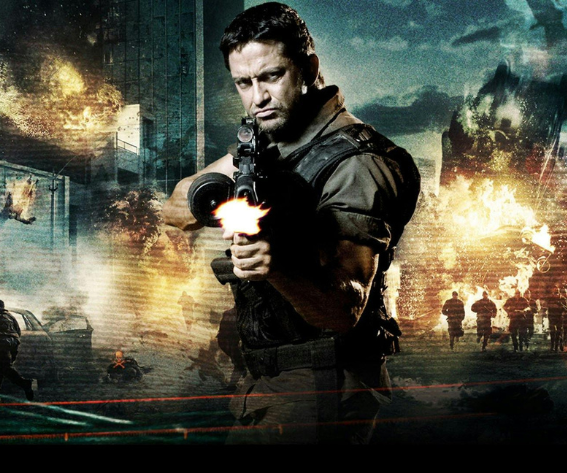
Cinema feels like a door into far-off places. Dark seats, light, and tunes pull you away from daily chores. You can see deep space, stone walls, or a new city street. For a long time, those places stayed on the screen. Then game makers took the same mood and built spaces you could move in at home. You stop being a calm viewer. You press keys and make the hero act. A fan can watch a big hit on Fri night. That same fan can play its kin on Sunday morning. Some folks chase that same scene twice. They want to feel it, not watch. You can spot this link in Hero Games and Space Tales. You can also spot it in an online casino Iceland that copies film flair. Those reels spin like tiny scenes, with flash and sound on cue. In this piece, I trace how film ways shaped online games. I look at story craft, camera-like views, and the tools both fields share. I also touch on ads and fan buzz that tie it all up.
Early Crossovers: From Arcades to Adaptations
The talk between movies and games began way back. In the late 1970s, arcades ran Star Wars and Tron games. Those tall boxes pulled fans with a name they knew. Kids fed coins and kept going. A film logo did hard work there. You heard the tune, and you smiled. They dodged lines of fire or raced in neon lanes. The play felt plain, yet the vibe matched the film. Home game gear soon spread the idea. Firms sold film names on small carts for the TV. Atari made E.T. and took a hit, but the lesson stayed. Players wanted to roam a film tale, not only watch it. In the 1990s, tie-ins grew bolder. Disney made Aladdin for Sega and used art close to the film’s look. GoldenEye 007 on the N64 showed a tie-in that can stand on its own. Each win and each flop taught teams how to keep a film tone and still give fun play. By 2000, many fans came to expect a game with each big film.
Narrative Techniques Borrowed from Film
Film crews learn how to hook you. Game writers copy that craft, then bend it for play. They use the three-act shape, clear arcs, and sharp cliff ends. You see it in many role-play scenes. Life looks safe for a bit. Then a hit lands and sets a hard goal. That flow fits films like Jaws and Spider-Man. Cut scenes also copy film shots. A close view can show fear in a face. A wide view can set the scale fast. Then the game hands you back the wheel. You feel like you guide the scene and live it. Quick time bits work like a scare beat. A prompt pops up, your hand snaps, and your pulse jumps on time. Writers also take big turns with care. They save key facts for late beats. This beat keeps online games fun for long runs, not just a short sit. A deep plot can pause for your pick, then move on with the next scene cut.
Visual Storytelling and Cinematic Graphics
Old games used dots and blocks to hint at a place. New games draw pores, smoke, and rain. Film love for strong sight cues pushed that jump. Teams copy light shifts, lens glare, and focus blur. They use these signs to set the mood with no talk. A dim hall washed in green nods to Alien. A long fly view over a vast town nods to the Middle-earth films. New ray tech makes steel gleam and glass shine. It also makes the wet stone pick up neon. These looks do more than please the eye. They point you to doors, paths, and risk spots. Film crews frame shots to guide you. Game teams do that with light each time. In online gun games, teams use stark light and shade to mark safe cover. Action film crews do the same, so you can track chaos. With film-like art, games sell the same big show that teasers push. A new player who grew up on films reads these cues fast and feels at home.
Soundtracks That Make Players Feel Like Stars
A big tale needs a strong score. Film music taught us that a theme can hold a whole hero. Game teams took that trick and built on it. Many online games now hire full bands in pro rooms. The players can cut tracks for films and games in one week. Then the game shifts the mix as you act. You creep past a guard, and soft strings hum low. You trip an alarm, and brass hits hard. That live swap feels like a film edit desk at work. A short riff can warn you fast. A slow beat can calm you down. Sound crews also use film Foley craft. They crunch gravel, slap cloth, and tap boots on wood. Those small sounds make a fake space feel real. Voice work tracks the same path. Good cast leads guide each line so it lands with weight. Put on good headphones, and you feel close to a set. Your pad or mouse acts like the clapboard. The score not only backs the action, but it also tells you when to rush or slow down.
Licensing, Branding, and the Hype Machine
Film ads can turn a date into a real big deal. Game pubs watch that play and copy it. When a hero film nears, they race to lock the game rights. They drop the new suit in-game long before stream day. The push runs both ways. Some film teasers end with a code that opens a demo. Big box sets add art cards, maps, or small props for a shelf. On social apps, stars walk a rug while fans post speed run clips. That mix keeps the buzz high. It feels like an open week rush, only on a phone. Fans love it when the looks match, too. They post side-by-side clips daily. Small teams join in, too. They buy cult film rights and ride on old love to stand out in a store list. For players, the brand helps. You know what you get, and you trust the tone. For firms, it brings a ready crowd that will line up, even in a net queue. This team-up also cuts the wait, so the tale feels like one long run across screens.
Technology Swap: CGI, Motion Capture, and Beyond
Film and games now share much of the same tech kit. That fact keeps the line thin. CGI that once felt rare now runs in real time. Tools like Unreal and Unity make it feel near film grade. Film crews scan sets and props in 3D, then game teams reuse them fast later. Mo cap rigs catch each brow twitch and hand move. An actor can feed a game role with real heat. Some film directors block shots in a game tool first. Folks call that virt prod. Game teams also hire film cam leads to light fake sets. They frame blasts and smoke like a real shoot. Both sides now share staff as well. A coder can sit near a desk. Cloud rigs move a high-end model fast. A team can take it from a film clip to a game patch. A VFX shop can shape a beast for a film. Then, a game crew uses it in match play. Tech acts like a shared tongue that lets tales jump from screen to screen today. Gear gets low, and net speed grows. Teams swap art on the fly. That blur watch time and play time.
Future Horizons: Where Movies and Games Merge
To sum up, stream apps, cloud play, and VR point to the same end. The split between film time and game time keeps fading. Some shows already let you pick paths with a remote, as Bandersnatch did. Some live games host in-game shows that feel like a big stage act. Next, firms can drop one tale in two forms. You watch a tense end on TV, then play the escape with a headset. The next part can start from that win or loss. New AI tools can help write lines that fit each run. Still, teams must guard pace so the tale stays tight. Money also flows in new ways. This mix can feel fun and odd. Some fans miss a calm, still sit. Fans can buy gear for their path. They can also pay for a live prem in a game hub. This mix also brings hard calls on data use and on who steers the plot. Good design can keep choice in the hands of the player. The gap between big-screen fun and gameplay keeps shrinking. Fans will not only watch heroes, but they will also move near them in each new scene.
You may also like:





Leave a reply