
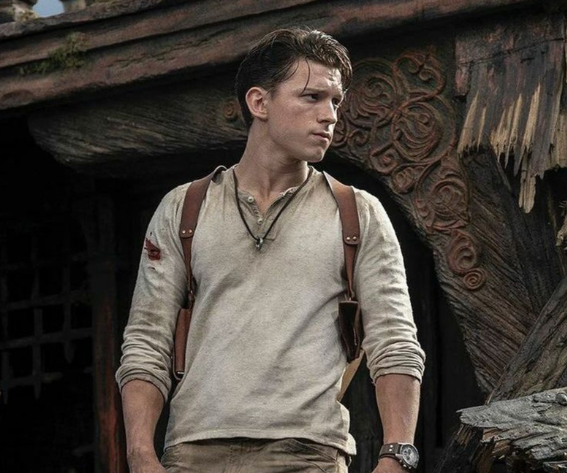
If you play modern story driven games, you probably feel it right away. Something about them has changed. They do not rush the player the way older titles did. Scenes unfold at a slower pace. Characters wait before speaking, almost as if a director whispered “hold that moment” just off screen. Games today keep drifting toward the language of film, and you can sense that influence in places you wouldn’t expect unless you look closely.
When Writers Start Thinking Like Screenwriters
A lot of game writing used to be straightforward. Explain the mission, give the player a reason, move on. Now writers borrow techniques that feel closer to screenwriting. They build characters from the inside out, thinking about what the person wants, what they avoid, and how they sound when they are tired or unsure. Some lines are short and a little messy in the best way, the kind of dialogue actors like because it doesn’t feel written. You can feel the shift. The story breathes differently.
Cameras That Behave Like They Have a Mind of Their Own
The camera in many games no longer acts like a simple tool following the player around. It behaves more like someone is behind it, choosing where to look and when to ease in closer. You can notice the same idea in some cinematic style moments on platforms like Betway Kasino titles, where the framing guides your attention without you thinking about it. A small tilt of the camera during a quiet conversation. A slow pull back to reveal a wide landscape. It resembles a cinematographer shaping the feeling of the moment without saying a word. Sometimes you barely notice the shift at all, which is exactly how film language works when it is done well.
Editing Borrowed From Movie Cuts
If you pay attention to timing, you start noticing something. Modern games cut scenes in a way that feels closer to film than to old cutscenes. A moment stays just long enough for you to feel it, then moves on. Transitions are smoother. Action sequences rise and fall the way an editor would shape them, not just as fast blocks of gameplay. It is subtle, but it changes how the story is felt, not just how it is told.
Acting That Gives Digital Characters a Real Pulse
The shift in performances is one of the biggest reasons this blend works. Motion capture lets actors bring small, human details into characters. A shrug, a hesitation, an uneven breath. These tiny gestures do more than dialogue sometimes. Game characters are no longer stiff figures waiting for the next line. They feel like they could walk off the screen because real people shaped them.
Music That Carries the Moment Instead of Filling Space
Film music has always guided emotion, and games have started using that same idea. Instead of loud themes that play nonstop, you hear softer touches. A hint of melody under a quiet walk. A rising tone when the world opens up. The soundtrack behaves more like a film score, nudging the feeling of the scene instead of shouting over it. The player might not notice exactly how, but they feel the shift.
Why This Blend Works So Naturally
People connect with stories in certain ways, and film has spent years refining how to reach an audience quickly and honestly. Games, being interactive, discovered that borrowing these techniques gives players a deeper connection to what they are doing. When a game uses film language well, it doesn’t turn into a movie. It becomes something in between. A story you do not just watch but shape, while still feeling the emotional weight that cinema knows how to deliver.
The interesting part is that this mix keeps evolving. Writers, designers, actors, and composers bring their own backgrounds into the medium, which makes each new release feel like another step in a long conversation between games and film. And players get to sit right in the middle of it, holding the controller, directing their own version of the scene.
You may also like:




Leave a reply