
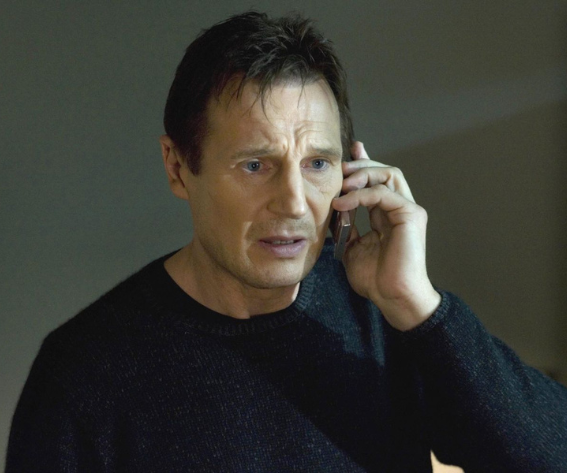
There’s something uniquely cinematic about a phone call. A simple device becomes a lifeline, a threat, a confession booth, or a turning point. In the hands of great filmmakers, phone conversations transform into moments of pure tension, character revelation, and unforgettable dialogue.
The introduction of smartphones has opened up a whole new world for people, whether that’s through social media or playing slot games at the likes of Pay By Mobile Slots Casino. Whether it’s a landline, cell phone or payphone, these devices have certainly been at the centre of some memorable scenes from movies over the years.
Here are some of the most iconic phone call scenes in classic films, each one proving that sometimes the most gripping action happens on the other end of the line.
Scream (1996) – The Opening Scene
Few horror films have ever started as strongly or as terrifyingly as Scream. The opening sequence introduces us to Casey Becker, alone in her house, answering what seems like a harmless wrong number. What follows is a slow escalation into psychological terror.
The caller’s voice is calm, playful, and then suddenly sinister. He quizzes her on horror trivia, turning the conversation into a deadly game. The phone becomes an instrument of control, with the killer manipulating Casey from afar. By the time the tension peaks, the audience realises the call was never random; it was a carefully orchestrated trap.
This scene redefined modern horror, showing how dialogue alone, without immediate violence, can create unbearable suspense.
Taken (2008) – “I Will Find You, and I Will Kill You”
This is arguably one of the most quoted phone scenes in modern cinema. Bryan Mills, a former CIA operative, speaks to his daughter’s kidnappers with chilling calmness.
What makes this moment so powerful is its restraint. Mills doesn’t yell or panic. Instead, he delivers a cold, precise warning: “I will look for you, I will find you, and I will kill you.”
The phone call establishes everything about his character, his skills, his determination, and the inevitability of what’s coming. It transforms him from a worried father into an unstoppable force. In less than a minute, the stakes are crystal clear.
The Matrix (1999) – Morpheus Guides Neo
In The Matrix, the phone isn’t just communication; it’s a literal exit from reality. During the office escape sequence, Neo is guided by Morpheus via phone as agents close in. Morpheus calmly instructs him step by step, turning a mundane office into a labyrinth of danger. The tension builds as Neo climbs out onto a skyscraper ledge, clutching a phone that represents his only connection to safety.
The brilliance of this scene lies in contrast: Morpheus is composed and omniscient, while Neo is terrified and uncertain. The phone becomes a symbol of trust; Neo must decide whether to follow instructions blindly or retreat into the familiar.
When he ultimately gives up and returns inside, it’s not failure; it’s character development. The call sets the stage for his eventual transformation.
Goodfellas (1990) – Jimmy Learns Tommy’s Fate
In Goodfellas, a phone call delivers devastating news without ever showing the act itself. Jimmy Conway eagerly awaits word that Tommy has been “made”; a major honour in the Mafia. Instead, the call confirms something far worse: Tommy has been killed as revenge for a past crime.
The moment is subtle but powerful. Jimmy’s reaction, quiet, stunned, and simmering, reveals the emotional weight of the loss. Once the call is ended, it is only then that Jimmy erupts in a fit of rage by smashing the payphone aggressively.
Pulp Fiction (1994) – Jules Calls Marsellus
Quentin Tarantino’s Pulp Fiction thrives on conversations, and its phone moments are no exception. When Jules reaches out to Marsellus Wallace, it’s less about urgency and more about tone and character.
Jules speaks with a mix of professionalism and casual cool, reflecting the film’s unique rhythm. Even in a criminal underworld filled with chaos, the phone call feels grounded—almost mundane.
What makes it memorable isn’t tension or fear, but style. The dialogue is sharp, the pacing deliberate, and the interaction reveals the hierarchy and relationships between characters without needing action.
Why Phone Calls Work So Well on Screen
These scenes highlight why phone calls are such powerful storytelling tools. From horror to action to crime dramas, the phone call remains one of cinema’s most versatile devices. Whether it’s a whispered threat, a desperate plea, or a life-changing revelation, these moments remind us that sometimes the most unforgettable scenes don’t require explosions, just a ringing phone and someone brave enough to answer it.
You may also like:





Leave a reply