
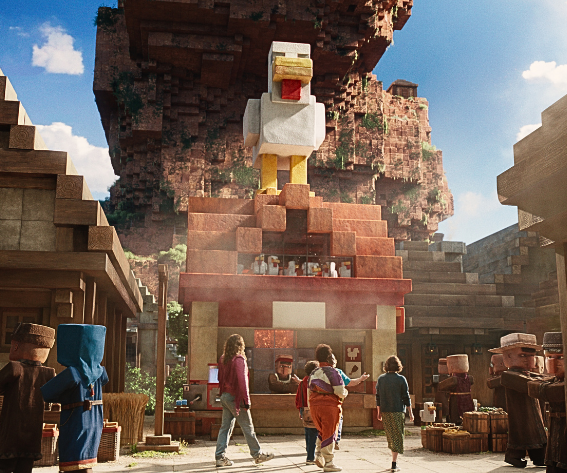
Environmental storytelling is one of the most powerful tools available to modern filmmakers. It is the art of conveying narrative through space, design, texture, and atmosphere rather than dialogue or exposition. Instead of characters explaining the world, the world itself reveals meaning. While cinema has practiced this technique for decades, open world video games have refined it in remarkable ways. Games invite audiences not only to observe environments but to explore them. For filmmakers, especially those working in independent or low budget contexts, studying these techniques can unlock deeper immersion and more layered storytelling.
Open world games must communicate narrative information without forcing players into constant cutscenes. The environment becomes a silent narrator. A ruined village suggests conflict. Overgrown vegetation suggests time has passed. Flickering lights and broken furniture hint at chaos. The player pieces together story fragments by observing surroundings. In film, viewers are more passive than players, yet the same principles apply. The camera can linger on details that imply backstory. Production design can hint at emotional states. Lighting and color can establish tone without a single word being spoken.
Minecraft and Emergent Worldbuilding
Consider Minecraft, a title built on simplicity. At first glance it appears visually minimal, yet it demonstrates how environment shapes narrative. A player who builds a towering fortress in survival mode is telling a story about threat and protection. A hidden underground base implies secrecy. Abandoned mineshafts and scattered torches communicate risk and previous exploration. Many aspiring filmmakers even use private servers to stage cinematic scenes or plan digital set pieces. Some creators rely on hosting platforms such as Godlike, a Minecraft server hosting service, to ensure stable worlds while experimenting with visual storytelling techniques. Minecraft server host reliability can also influence the creative process, as stable performance helps prevent interruptions, protects builds from data loss, and supports smoother collaborative worldbuilding.
What makes Minecraft especially relevant for filmmakers is its lack of imposed narrative. The environment becomes a blank canvas that demands intentional design. Every block placed is a storytelling decision. The same is true on a film set. Every prop, texture, and background element contributes to meaning. When filmmakers neglect this layer, scenes feel flat. When they embrace it, even a silent frame can feel alive with subtext.
Environmental Clues and Emotional Context
Open world games often rely on environmental contrast to guide emotional response. A brightly lit meadow creates calm. A fog filled swamp produces tension. A narrow corridor produces claustrophobia. These effects are not accidental. They are carefully crafted through scale, color palette, sound design, and spatial arrangement.
In cinema, production designers and cinematographers use the same principles. A character standing alone in a vast landscape communicates isolation. A cramped apartment filled with clutter can suggest mental overload. Even subtle elements such as peeling wallpaper or cracked windows can imply economic struggle or emotional decay.
Games excel at layering these clues. Players might discover an abandoned campsite with extinguished fire, broken supplies, and scattered footprints. Without dialogue, a narrative emerges. Something happened here. Someone left in a hurry. The viewer of a film can experience the same intrigue if the camera allows time for observation.
Spatial Storytelling and Camera Movement
One key difference between games and film is control of perspective. In open world games, the player controls the camera. In film, the director controls the frame. Yet the underlying principle remains the same. Space reveals story.
Open world environments are designed with sightlines in mind. Landmarks draw attention. Paths subtly guide movement. Lighting directs focus. Filmmakers can borrow this strategy by choreographing camera movement through meaningful space. A tracking shot through a deteriorating building can reveal history step by step. A slow push toward a symbolic object can emphasize its narrative importance.
Rather than relying on dialogue to explain stakes, directors can allow the audience to discover context through visual progression. This approach increases engagement because viewers feel as though they are uncovering information themselves.
Environmental Evolution Over Time
Another lesson from open world games is the power of environmental change. Worlds evolve in response to player actions. Structures are built or destroyed. Weather alters landscapes. Time of day shifts tone dramatically.
Film can harness this idea through progression of set design. A home that gradually becomes emptier across scenes can symbolize relational breakdown. A city that grows darker and more chaotic can mirror a protagonist’s psychological descent. Environmental continuity across a film strengthens thematic coherence.
Games demonstrate that audiences are highly sensitive to spatial transformation. Even minor alterations communicate progression. Filmmakers can achieve similar impact with thoughtful design planning rather than expensive spectacle.
Minimal Dialogue, Maximum Meaning
One of the greatest strengths of environmental storytelling is efficiency. Instead of a character explaining their fears, the audience can see those fears reflected in their surroundings. Instead of narrating history, the setting can imply it.
Open world games frequently trust players to interpret clues without heavy exposition. This trust builds immersion. Film can benefit from the same confidence. When directors resist over explaining and instead rely on visual cues, the result often feels more cinematic and emotionally resonant.
Silence paired with meaningful imagery can be more powerful than monologue. Environmental storytelling encourages restraint. It invites the audience to participate cognitively and emotionally.
Practical Takeaways for Filmmakers
Filmmakers who want to apply lessons from open world games can begin with a few practical strategies:
-
Design every set with backstory in mind. Ask what happened in this space before the scene begins.
-
Use color and lighting intentionally to shape emotional perception.
-
Allow the camera to explore environment rather than cutting too quickly.
-
Remove unnecessary exposition and test whether the environment alone communicates essential information.
-
Track how spaces change across the narrative to reflect character arcs.
These techniques do not require blockbuster budgets. They require intentionality. Open world games prove that immersion emerges from cohesive design rather than visual complexity alone.
Conclusion
Environmental storytelling bridges interactive media and cinema in profound ways. Open world games demonstrate how spaces can hold memory, emotion, and narrative weight without relying on dialogue. By studying how digital worlds guide exploration, signal mood, and evolve over time, filmmakers can deepen their own visual language.
The lesson is simple yet transformative. The environment is never just background. It is character, context, and story all at once. When filmmakers embrace this philosophy, every frame becomes an opportunity for meaning.
You may also like:






Leave a reply