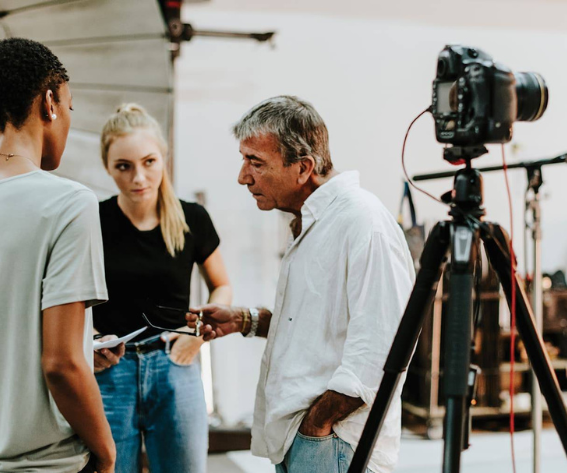
From early storyboards sketched on paper to today’s cloud-based production suites, communication in filmmaking looks dramatically different from what it was a decade ago. What began as simple scripts and in-person production meetings has evolved into a rich ecosystem of shared digital workspaces, virtual sets, interactive dailies reviews, and mixed-media collaboration tools. Directors, editors, cinematographers, and producers now jump between apps, visual platforms, and real-time tools to shape a film together.
Think of it as an expanded cinematic toolbox—one that lets storytellers express ideas, moods, and visual concepts in richer, more immediate ways. As digital workflows matured, filmmaking communication became more textured, dynamic, and creatively fluid, outgrowing the rigid pipelines of early digital cinema.
The Growth of Interactive Filmmaking Platforms
Today’s filmmakers want to participate in every stage, not stand back and observe. This desire fuels the rapid growth of interactive platforms that support live feedback, instant annotation, and collaborative visual editing. Some systems allow multiple users to draw directly over frames during a review session. Others let departments drop in quick video notes, upload new takes, or compare lighting setups in real time.
This creates clearer, faster communication on set and off. According to a 2024 European media-tech study, nearly 70 percent of young users prefer platforms that support hybrid communication—video, voice, text, and visual annotation all at once. The ability to switch formats mid-discussion helps crews stay fully present and creatively aligned.
Video Interaction as a New Language on Set
Among all the tools shaping modern film communication, video-based interaction evolves the fastest. These tools include floating preview windows, virtual cinematography tests, remote acting rehearsals, layout mockups, and shared screens displaying edits or color references.
Filmmakers now use video not only to show a shot but to express tone, pacing, staging, and performance nuance. In many ways, video exchanges have become their own cinematic language.
Short virtual check-ins are also replacing long production calls. A three-minute video exchange between a director and cinematographer can clarify lighting mood more effectively than pages of notes. Seeing faces builds trust; hearing tone reduces misinterpretation; even small reactions across a screen make creative decisions feel more grounded.
Why Creative Film Communication Matters Today
The demand for richer communication stems from filmmaking’s emotional and collaborative nature. Moodboards, reference clips, spontaneous video notes—even quick sound-design sketches—can communicate an artistic instinct instantly. Flexible communication formats also help filmmakers match the tool to the moment: some scenes require deep conceptual discussion, while others need quick, tactical updates.
Many modern collaboration suites blend formats seamlessly. A platform can host a production meeting, store concept art, and—during downtime—allow crew members to initiate a live video call with women in casting or performance workshops as part of remote audition processes. The ability to hold a live video call with women auditioning from anywhere reduces geographical barriers and lets directors sense subtle emotional qualities that recorded tapes may not capture.
This multilayered communication style mirrors real, in-room collaboration more closely than traditional email chains ever did.
Emotional Value in Film Collaboration
Some worry digital tools distance people on set, but when used intentionally, they can strengthen emotional understanding. A brief facial reaction during a remote rehearsal, a warm tone of voice in a video note, or a spontaneous laugh from an actor during a virtual table read can turn a cold technical exchange into a moment of genuine connection.
Studies show that video-based collaboration reduces creative misunderstandings and helps teams sync emotional intent—especially when dealing with performances, color mood, or pacing.
A short voice memo from a director describing the emotional curve of a scene can speak volumes. Rhythm, tone, and breath convey nuances that text can’t. These tools soften the gap between distributed teams and revive the warmth of in-person storytelling sessions.
Personal Creative Spaces in a Busy Production World
In the constant rush of updates—shot lists, location changes, revised drafts—clear creative communication can get buried. Private video rooms or quiet, one-on-one virtual breakdown sessions give filmmakers the space to exchange honest feedback without the noise of large production channels.
Some crew members prefer minimal interfaces; others enjoy advanced boards with layers, LUT previews, and interactive 3D tools. Both preferences point to the same truth: filmmakers crave communication spaces that feel safe, intuitive, and tailored to their creative flow.
New Creative Formats Reshaping Film Production
Several innovative formats are transforming how crews communicate:
Video reaction threads:
Editors and directors respond to cuts with short visual notes, building a chain of creative reactions.
Hybrid audio–video rooms:
Cinematographers switch between voice-only mode while on location and full video mode during studio reviews.
Shared virtual creative spaces:
Teams sketch blocking diagrams, adjust virtual lights, or prototype set layouts together while chatting on video.
Slow-pace communication formats:
Some platforms encourage one thoughtful video note per day from key creatives, allowing emotional clarity and reducing rushed decisions.
These formats show that filmmaking communication can be frantic or meditative, technical or emotional—whatever the moment calls for.
Trends Shaping Communication in Cinema
Three major trends define the future of creative collaboration in filmmaking:
Expressive minimalism:
Short video moments, quick vocal notes, and stripped-down sketches convey cinematic emotion more efficiently.
Visual honesty:
Real-time video communication builds trust in performance direction, lighting decisions, and on-set mood.
Personalized creative rooms:
Adjustable review spaces, customizable layouts, and private decision-making hubs empower teams to work in the environment that suits them best.
Together, these trends reveal a shift toward communication that is natural, adaptive, and deeply expressive—matching the art form itself.
Conclusion: A More Human Future for Film Collaboration
Modern filmmaking communication tools are more than production utilities—they’re emotional and creative bridges. As directors and crews layer in visual references, rapid-fire video exchanges, collaborative digital sketches, and spontaneous voice notes, the once-linear production pipeline becomes vibrant, improvisational, and distinctly human.
In the next era of cinema, communication tools will merge into intuitive creative spaces that support honest dialogue, expressive artistry, and richer collaborative storytelling.
You may also like:



Leave a reply