
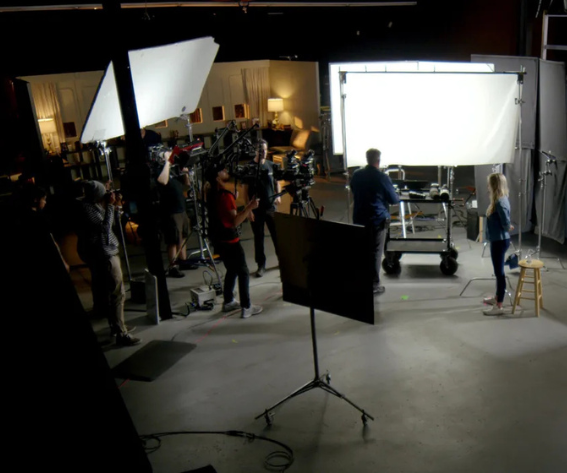
The story of a given film cannot be completed without each member of the production team contributing their utmost effort. This is why maintaining a high level of productivity is critical. This is why, as filming enters 2025, productivity experts’ podcasts and other productivity resources have become increasingly popular in the film production world. These podcasts often feature directors, producers, post supervisors, and CEOs of indie films. They also provide real-world strategies for addressing the intricacies of hybrid workflows, remote teams, and the deluge of digital distractions.
The indie film world is a great example of what these resources provide because of how difficult indie films are to make due to their limited financial and staffing resources. This is also why smart film production resources like Controlio, which enable employee monitoring software, have come to help film producers utilize their staff to directly manage their productivity and workflows in a way that maximizes and protects the creativity of their production teams. There are countless filmmakers, including myself, who have documented the transition of their scattered and disorganized workdays and practices into workflows and routines that are focused and organized to create the space for what is most important—storytelling.
Time Blocking is Revolutionary to the Film Production Schedule
The most commonly recommended method for film schedule productivity is time blocking. Time blocking is the process of creating specific ‘time blocks’ on the schedule in which the assigned tasks for that ‘time block’ are to be completed without any distractions or other interruptions, and with a focus on not using the time blocks for any other tasks. Multitasking (like email during lunch) kills flow and decision fatigue. It would be great to have some focus on blocking time to do storyboarding and script revisions, then have multiple time blocks for principal photography, and then time blocks for editing dailies.
Instead of reacting to distractions and emails, you can set goals and tasks based on your schedule and energy levels. Using distractions and time tracking, your analytics tools can help you pinpoint where time gets sucked away during pre-production or post.
One director even used time tracking to optimize scheduling for a remote VFX team, and it resulted in improved morale, on-time deliverables, and workload.
Sustaining Creative Energy with Shorter Working Hours
It sounds counterintuitive, but when deadlines are tight, it is advised to implement shorter working hours. Compressed schedules are recommended. Positive psychologists advocate for shorter working hours. They see it as a pathway to bring about the vision set for your team.
In the film industry, this looks like scheduling shoots for the director’s safety and breaking for inspiration to avoid lengthy halt periods during your forward minutes.
Filmmakers say that adopting this approach has clear benefits: prioritization becomes easier, there are fewer blunders during the color correction or sound mixing processes, and they have more time to relax outside the edit bay and recharge before diving into the next project. These are recurring patterns some workflow tools have utilized to help optimize specific workflows.
Keeping Remote and Hybrid Teams Engaged
With remote teams, VFX artists have become more common. Their disengagement or lack of focus can lead to serious problems and stall the project. Experts advise having clear goals and deadlines, feedback, allowing employees to act autonomously, and recognizing their hard work in public. When there is disengagement, avoid criticism and have supportive conversations to see what the problem is.
Software that employees can use to monitor remote employees reveals patterns in workflows, such as an employee sitting idle during rendering and review. This lets other members of the team help in areas that are bottlenecks in the system. Data also helped one company improve their onboarding processes. This retention improvement is less time wasted on the long, tedious tasks.
Streamlining Workflows and Using the Right Tools for the Job
The foundation of solid efficiency is in mapping your process. This can also help in cleaning up the pre-production pipeline, cutting down the number of approvals throughout the process, and automating the more routine tasks (organization of digital assets and logging shots). Founders and producers are cutting down their meeting times and are standardizing checklists that free up their creative spaces, allowing them to focus on the more innovative directing decisions.
Automation of breakdowns, location scouting, and initial edit assemblies are tasks that are anticipated to become routine and mundane by the time 2025 rolls around.
Those habits encourage creativity from technology-streamlined insights from your constructive habits while post-production pipelines bottleneck spotting. Performance dashboards combined with these insights can help.
Sustainable Filmmaking Integrating Everything
The top voices all agree lasting productivity is a combination of energy management, simplified systems, and the right tools. In film, this combination helps maintain high levels of productivity across festivals, submissions, and releases without compromising the well-being of the whole team.
These podcasts are a treasure trove of these principles. The approach is more of an experiment, and it’s best to start with the short. The aim is to increase the prep time, reduce the time taken to edit the video, and review the patterns of the team from an ethical perspective. The use of analytics tools can contribute to these outcomes without sacrificing the objectives of the team.
What can your next project be with these changes? Less stress, more focus, and creativity in the stories.
Film Production Productivity FAQ
- What is time-blocking, and why do the pros suggest it?
These are protected time walls dedicated to a single task. The idea is to reduce the number of distractions and build focus. They are very helpful in chaotic film projects.
- Can shorter work days really keep the productivity levels high?
Yes, short workdays have been shown to have improved creativity, work-life balance, quality of work, levels of productivity, and levels of fatigue. It is common in a number of studies and productions.
- What is the role of employee monitoring software in film strategies?
Used ethically, it shows time patterns and distractions (e.g., during remote reviews) and helps support optimizations without micromanaging.
- How to mitigate disengagement in remote film teams?
Set expectations, provide feedback, celebrate, and use data for early, positive interventions to support trust and motivation.
You may also like:







Leave a reply