Yes, horse racing is an old sport and a sport with billions of fans all around the world, but its presence in Hollywood is unusual. There are many Hollywood movies made specifically for a horse racing event, and many others that are built around the sport.
The question is, why? It’s not like horse racing movies are mainstream and sound appealing to everyone, right? Well, at least not as mainstream as superhero movies. So, why do filmmakers keep coming back to horse racing?
It’s all about the story and emotions, and horse racing as a sport has created some of the most impressive moments that sound unbelievable. Just think about Secretariat, Seabiscuit, or Phar Lap. These are horses that went beyond the odds, and their impact goes far beyond the sport.
So, the story behind such events is the main reason why filmmakers love making horse racing movies. But let’s dive deeper and find out where this industry is headed and why we’re seeing so many horse racing movies lately.
Every Race Comes With a Natural (Usually Rewarding) Ending
Film stories need natural deadlines or conclusions. Something where the dopamine fades away, and you’re left with a good feeling. Horse racing events add one automatically.
The race will be run on a particular day, whether the horse is ready or not. We all know that horses need to prepare before the race; the participants face tension, and the race is going to end with a clear winner, one way or another.
Unlike other sporting movies, horse racing movies also concentrate all the emotions on one event. That’s why they feel so special. The first part of most movies describes the stakes, the hard work, the dedication, some horse that nobody believes in, and the end is all about going against the odds, which is a huge dopamine rush.
And it’s not only about the race. You have fashion, underdog stories, unbelievable horses, class and prestige, and of course, a lot of money. When we talk about money, we usually refer to betting, which only increases the stakes and makes the movie even more exciting. If you’re a horse racing bettor that frequently uses TwinSpires for finding the best bets, you’ll absolutely love such movies.
So, the structure of horse racing movies works really well for entertainment.
The Horse Makes the Underdog Story Feel Believable
Sports films love underdogs. Unfortunately, human underdogs sometimes require a suspicious training montage to become world-class athletes before the final act.
A racehorse can improve quickly enough to make the transformation feel more natural. A previously misunderstood horse may respond to a different trainer, mature with age, find a suitable distance, or finally race under conditions that suit its running style.
Seabiscuit uses exactly that possibility. Universal’s official synopsis describes the central horse as undersized and temperamental, surrounded by a businessman, jockey, and trainer whose own lives have also been damaged during the Great Depression. The horse’s rise works because every member of the group is being rebuilt at the same time.
Horse Racing Is Never Only About The Horse
A racing film may be named after one horse, but the horse rarely carries the story alone. There is usually an owner taking a financial risk, a trainer trying to understand the animal, and a jockey whose decisions matter once the race begins. Stable staff, breeders, veterinarians, and family members add further pressure. That naturally creates an ensemble.
In Disney’s Secretariat, the story is built not only around the 1973 Triple Crown winner but also around Penny Chenery taking control of her father’s stable despite limited experience in the racing business. The film turns ownership, family responsibility, and the struggle to keep the operation alive into the main human conflict.
Racing Lets Filmmakers Talk About Class and Money
Horse racing has always brought very different social worlds into the same place. Wealthy owners stand in the paddock while grooms, exercise riders, and stable workers perform much of the daily labor. Spectators range from major gamblers studying every line of form to visitors who select a horse because its name reminds them of their dog.
A racing story can therefore be about ambition, class, labor, and access without leaving the track.
National Velvet turns those questions into a family adventure. Elizabeth Taylor’s Velvet Brown dreams of entering her horse in the Grand National and ultimately disguises herself as a male jockey because a girl would not have been accepted in that role. The film was added to the United States National Film Registry in 2003, a recognition of how deeply its story entered popular culture.
The funny thing is that Elizabeth wasn’t the first choice to take the leading role for this movie.
Real Racehorses Arrive With National History Attached
Some horses become bigger than their race records. They represent a period, a place, or a public mood.
Seabiscuit’s popularity became tied to Depression-era America. Phar Lap became a symbol of hope in Australia during the same economic crisis. The National Film and Sound Archive of Australia describes him as a beloved national icon by the time of his death in 1932, while surviving footage shows how extensively his races and public appearances were already being documented during his lifetime.
Final Thoughts
So, filmmakers keep returning to horse racing because the sport contains all of the elements that make a great movie. It has suspense, entertainment, stakes, a dopamine rush, history, and a reward. All translate into a good feeling that viewers get when watching, which is also the reason why horse racing movies often receive a good rating.
Horses are also beautiful creatures, and they look really good on screen. So, if you still haven’t watched a horse racing movie, now it is the perfect time.
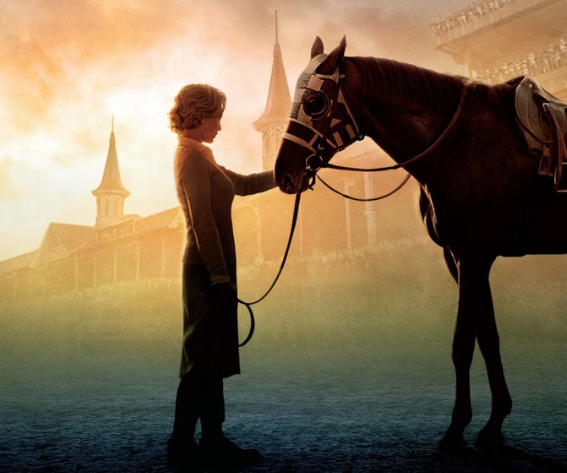
Image source: Secretariat (2010)
You may also like:






Leave a reply