We are living in an era in which content consumption is routinely fragmented into videos of one minute or less, something aligned with ever-shrinking attention spans. Digital entertainment has been shortened and simplified to avoid complex messages and the detailed development of ideas. Regardless, this very short format has become extremely popular with the general public.
The culture of fast consumption in online entertainment often means people find even a 10-minute YouTube video too long to sit through. Instead, the preference is for TikTok and Shorts that are full of clips which last a minute or less. In another popular form of leisure, online gaming, faster-paced formats are also appearing, especially on new casino platforms. For example, if you visit one of the newest online casinos from the selection at https://legalbet.uk/new-casino-sites/, you will see that each has a dedicated game category — Crash Games. This quick-play format is currently one of the fastest-growing in the iGaming world.
Even for film lovers, it can also be said that it is becoming increasingly common for them to prefer series or shorter films rather than sit down in front of a three-hour film, which raises the question of whether these long productions have a future among this new dynamic.
Golden Age
There was a golden age in Hollywood in the mid-20th century when the length of a film was synonymous with its prestige. Films such as Gone with the Wind (1939), Ben-Hur (1959) or Lawrence of Arabia (1962) were not only long, they included programmes with musical overtures and intermissions. Going to the cinema was an experience that lasted even longer than the nearly four hours those films ran for.
As the decades went by, the industry and exhibitors began to prefer films of 90 to 120 minutes. The goal was purely economic: a shorter film allows more showings per day, which equates to more tickets being sold and a greater total spend at the snack counter. During the 1990s and 2000s, three-hour films became uncommon and were usually reserved for great epics, prestige dramas or key instalments in franchises, such as The Lord of the Rings.
The Culture of Immediacy
In the modern era, everything has been revolutionised by taking simplicity to the extreme, and micro-satisfaction prevails over taking the time to enjoy long entertainment experiences. A good example can be found on streaming services, which charge extra to remove advertising from online videos and films for a smoother experience. Simply put, people pay more to wait less, which suggests a “shortage” of patience and that inevitably affects film production.
This new digital culture is a major obstacle for long productions, because film makers have to think about what the paying public wants. There’s no point churning out epic films if audiences are simply craving short bursts of entertainment. So the challenge in making a long film becomes complex, as they have to be entertaining enough to keep the user engaged, for what is likely an uncomfortable amount of time for most people. Although it may seem impossible in the modern digital consumer age, some have managed it…
The Rebirth of the XXL Format
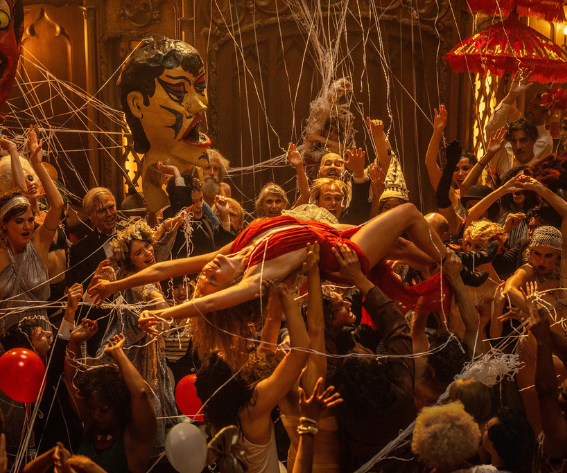
Despite the difficulties of selling a long film, there has actually been a revival of the lengthier format. In recent years, cinemas have been filled with films that demand a great deal of the audience’s time. People have committed themselves to watching films of around three hours or more, such as Christopher Nolan’s Oppenheimer, Damien Chazelle’s Babylon, James Cameron’s Avatar: The Way of Water, Ari Aster’s Beau Is Afraid and, more recently, Martin Scorsese’s monumental Killers of the Flower Moon. Some of them were resounding successes, specifically in the case of Oppenheimer and Avatar 2.
Despite everything that is said, the argument that new generations cannot concentrate on and absorb a film lasting several hours turns out to be a fallacy. However, there is context behind that; in reality, people commit to spending hours waiting only if it is worth it. Failed attempts at long films would simply end up full of criticism if it were not for quality.
Put another way, making a long film is a greater gamble than making a standard-length one, because the fickle audience will not hesitate to skip it if the film is not of sufficient quality. Movie-going audiences typically demand a certain quality guarantee, whether that’s from a leading actor, the director or production company, as those are often key in guiding the public’s hand about what to watch.
At the end of the day, XXL films do still have a future, but they are now conditioned by a demanding market that’s used to small bites of entertainment, and who will likely only endure an epic-length feature film if it hits hard in terms of quality.
You may also like:







Leave a reply